

Sandia Peak Ski Area Reclaiming Historic Trails, Sets Inaugural Trail Fest for Oct. 3
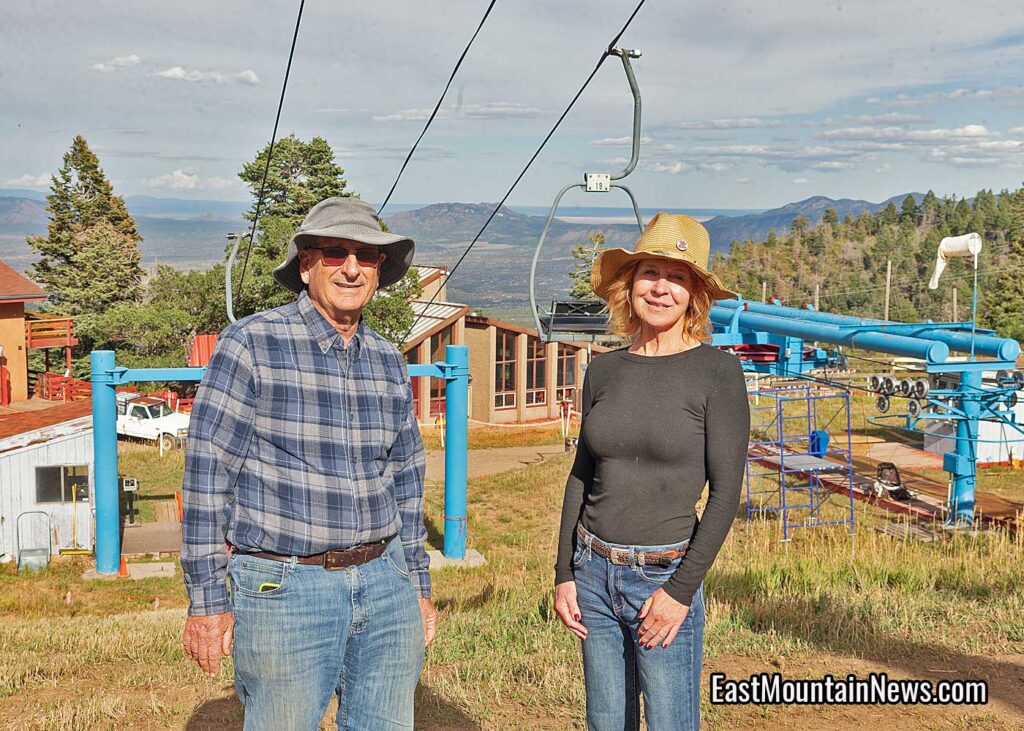
SANDIA PARK, N.M. — High in the Cibola National Forest, chain saws and hand tools have been steadily cutting through years of silence and overgrown deadfall.
Sandia Peak Ski Area, New Mexico’s oldest ski destination, is deep in the middle of a ground-up restoration aimed at turning the historic mountain into an accessible, four-season park. Rather than chasing high-impact commercial amusements, management envisions a community-centered outdoor haven centered on hiking, mountain biking, unhindered public access, and affordable recreation.

That push culminates on Saturday, Oct. 3, when the ski area hosts its inaugural Trail Fest from 11 a.m. to 3 p.m. at the base lodge, celebrating the reopening of legacy trails and honoring the grassroots work that made it possible.
“We want to keep this as a ski area, but we want to develop summer recreation up here,” said Gary Forrest, general manager of Sandia Peak Ski Area. “To make it park-like, we’re trying to turn this into a ski area park. Come and have a picnic. You want to come up and walk on our trails? You want to ride mountain bikes? We don’t charge.”
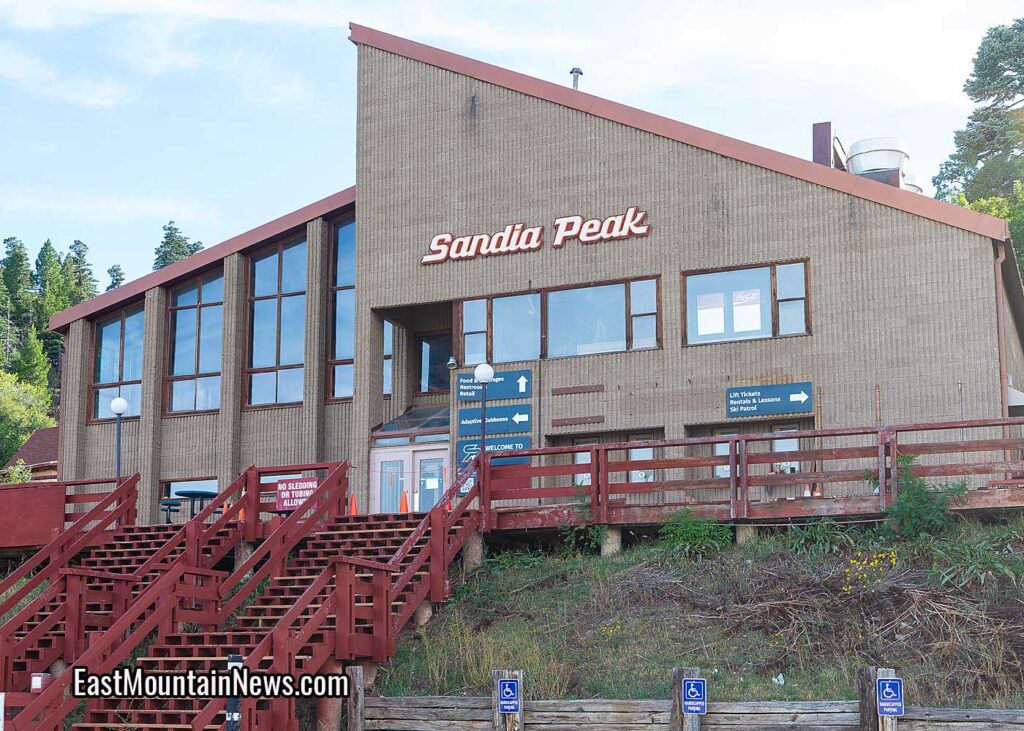
Central to that summer push is Trails 250, an initiative launched by Durango, Colorado-based Mountain Capital Partners, which acquired Sandia Peak. The project challenges regional resorts to bridge ties with surrounding communities and restore historic trail systems through dedicated volunteer partnerships.
Operating with a lean off-season staff, Sandia Peak turned to local volunteer trail groups that already held special-use maintenance agreements with the U.S. Forest Service. Crews from Friends of the Sandia Mountains (FOSM), the Cibola Trail Rangers, New Mexico Volunteers for the Outdoors, and the Albuquerque Mountain Bike Association stepped in to tackle the heavy clearing.
“There was a misunderstanding prior to this about them being able to access our permitted area, and vice versa,” said Kimberly Kavasch, assistant manager and guest services lead. “So we’ve really been able to develop quite a great relationship with these different groups. They give the GPS coordinates, they take before-and-after photos, and they publish trail reports. They’ve just been incredible.”
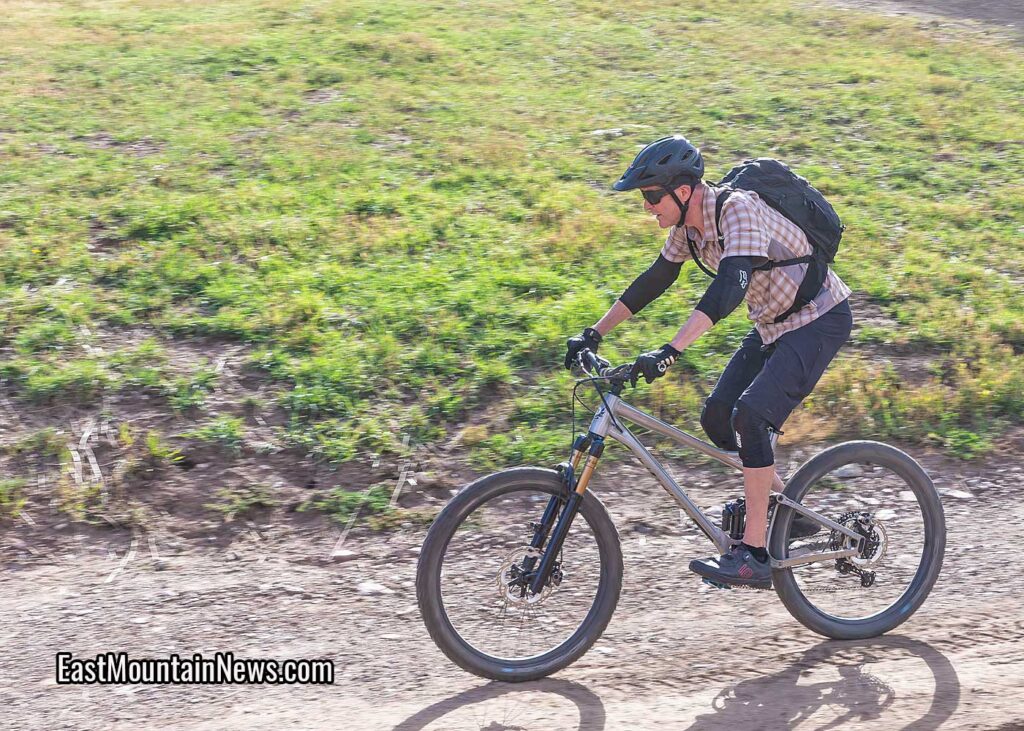
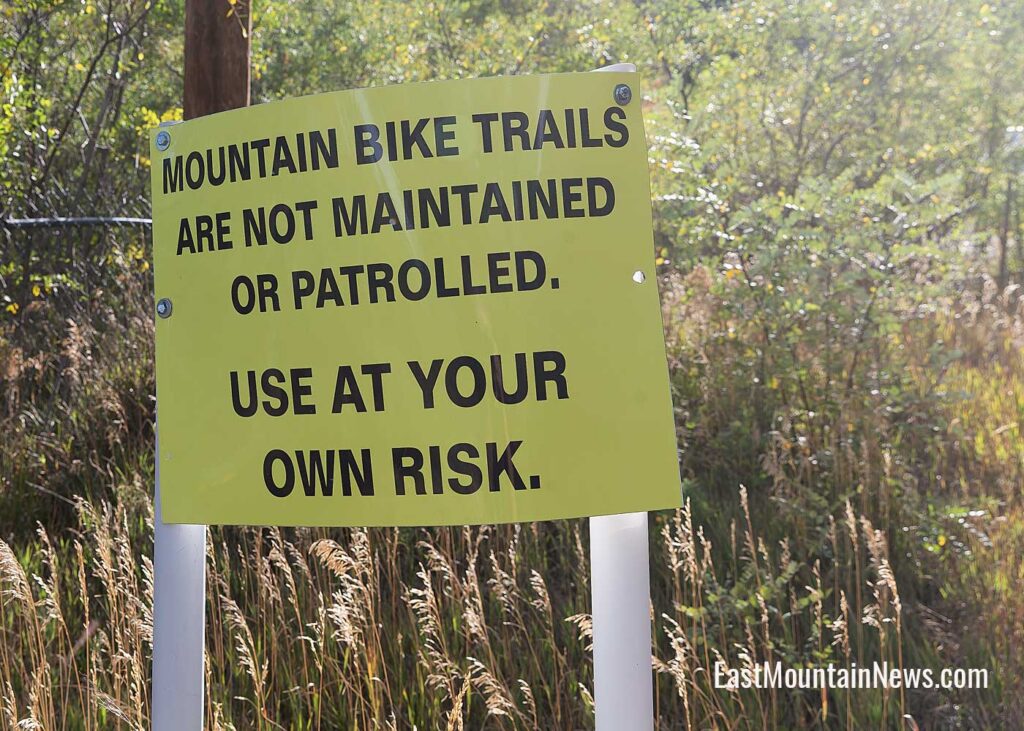
Work crews concentrated on two signature legacy mountain biking routes that traverse the permitted ski boundary: King of the Mountain, an eight-mile uphill track once used for regional races, and Golden Eagle, a nearly five-mile downhill descent. Both routes have now been cleared of deadfall alongside key intersections with the Challenge Trail, a north-south connector leading toward the Sandia Crest, Cienega, and Sulfur Canyon.
The upcoming Oct. 3 Trail Fest serves as both an open house and a public thank-you to those volunteer crews. Free and open to the public, the event will feature local volunteer organizations, regional trail advocates, and Rizzo’s Famous Kitchen and Catering, as the resort seeks to remind residents that the mountain remains accessible for non-motorized outdoor recreation.
The trail rehabilitation forms one piece of a broader three-year overhaul to reverse years of deferred maintenance under previous ownership. Current work across the base includes replacing weathered deck boards, applying fresh paint, remodeling outbuildings, and mitigating invasive black locust trees to ease environmental stress on native ponderosa pines and aspens.
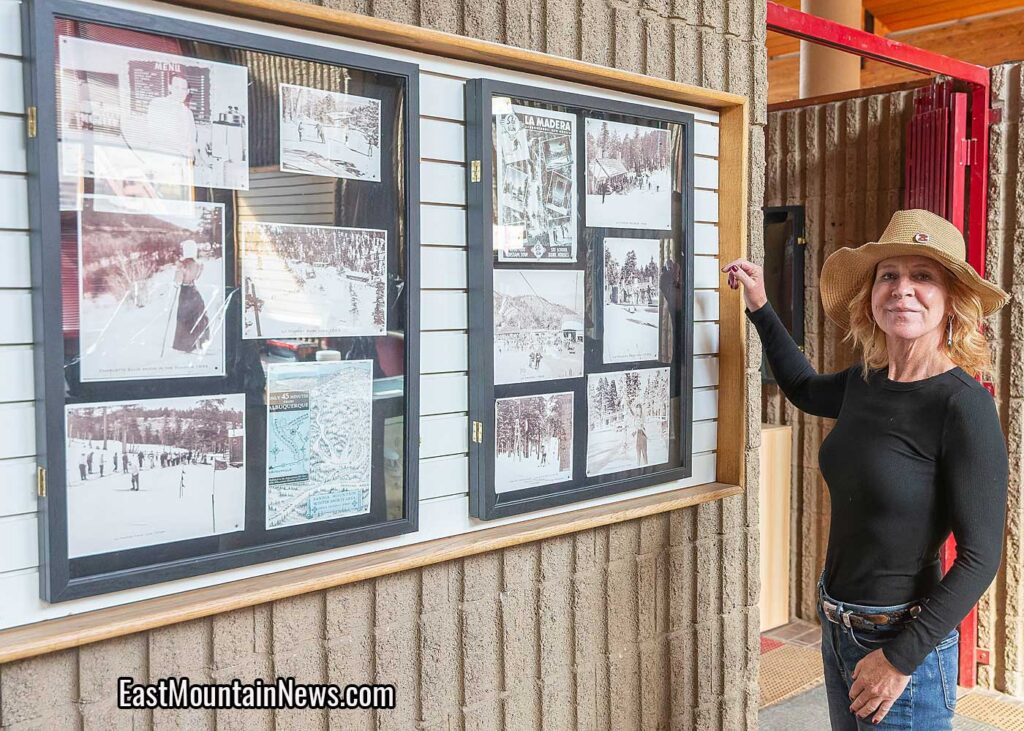
Longer-term plans call for reopening the base cafe for year-round dining, establishing a scenic mountain wedding venue, and building a lodge museum to showcase archival black-and-white photography tracing the site’s 1936 origins as the La Madera ski area—founded in part by veterans of the U.S. Army’s 10th Mountain Division.
Throughout the transition, Forrest said maintaining easy public access will remain the resort’s operational compass, including free parking in the ski area’s base lot whenever the gates are open.
“In three years, I would like to have people drive onto this area and go, ‘Wow, this is really nice,’” Forrest said. “And when they leave, I want them to go, ‘We need to come here more often.’ That’s the goal.”

East Mountain High School Announces Key Dates for 2026-2027 Enrollment Lottery

RV Fire Results in Total Loss at Wildlife West Nature Park

Crossroads Training Center Announces Empowering Spring 2026 Course Lineup
About The Author
