

Quarter Mile Down Tunes: When a Symphony Descended into a Gold Mine

GOLDEN – On Sunday, May 19, 1940, as the shadow of war lengthened across Europe, the Albuquerque Civic Symphony Orchestra (now the New Mexico Symphony Orchestra) embarked on a musical experiment that remains unique in the annals of classical performance.
The orchestra played a full symphonic concert a quarter mile underground in the San Pedro Gold Mine. It was part experiment and part celebration with the gold and copper mine celebrating its 100th anniversary.
The Visionary Conductor
The driving force behind this spectacle was Mrs. Grace Thompson Edmister, the orchestra’s founder and one of the first female conductors of a civic orchestra in the United States. She is believed to be the world’s first “gold mining” conductor. Edmister, known for her formidable energy and innovative programming, was looking for a spectacular way to close the orchestra’s eighth season (1939–1940).

The San Pedro Mine, located in the San Pedro Mountains roughly 35 miles northeast of Albuquerque, offered a venue that was as acoustic as it was athletic. A historic site dating back to the Spanish colonial era, the mine was famous for its copper and gold deposits—and, as Edmister discovered, its cathedral-like acoustics.
The Descent
The logistics of the event were staggering. The sixty-piece orchestra did not simply set up at the mine’s entrance; they ventured deep into the earth.

- Transportation: The musicians, dressed in formal concert attire, navigated the rough roads to the nearly abandoned mining camp of Golden.
- The Trek: Carrying cellos, double basses, tubas, and violins, the musicians hiked into the main tunnel.
- The Stage: The “concert hall” was a large cavern located approximately one-quarter of a mile from the entrance. The space was naturally vaulted, carved out of solid rock by generations of miners.
Contemporary accounts describe a surreal scene: tuxedoed musicians and gowned soloists picking their way through the darkness, illuminated by mining lamps and temporary electric lights strung up for the occasion. The damp, cool air of the mine—a constant temperature year-round—threatened to detune wooden instruments, requiring constant adjustments from the string section.
The Performance
At the conductor’s signal, the baton descended, and the cavern filled with music. The program was a mix of classical standards designed to test the unique acoustic properties of the rock walls.
- Acoustics: Reports from the event noted that the sound was surprisingly clear. The irregular rock surfaces diffused the sound waves, preventing the muddy echo often found in man-made tunnels, while the solidity of the stone provided a powerful resonance for the brass and percussion.
- Atmosphere: The audience, consisting of locals, miners, and music enthusiasts from Albuquerque who had made the trek, sat on makeshift benches or stood along the tunnel walls. The gloom of the mine created an immersive listening experience, stripping away the visual distractions of a traditional concert hall.
The performance was the season finale, marking a triumphant and bizarre end to the orchestra’s year. It was a testament to the “can-do” spirit of the depression-era civic groups and the unique culture of the New Mexico high desert, where high culture and frontier ruggedness often intersected.
Historical Significance
The 1940 San Pedro Mine concert was more than a publicity stunt; it was a demonstration of the orchestra’s commitment to bringing music to the people—wherever they might be.

It also marked the end of an era. Just a year later, in 1941, Grace Thompson Edmister would step down as conductor, and the United States would enter World War II, changing the focus of civic organizations nationwide. The mine itself would see sporadic activity in the coming years, particularly for copper needed for the war effort, but it never again hosted a symphony.
Today, the event is remembered as a singular moment in New Mexico history—a day when the glint of gold in the rock walls was outshined by the brass of the symphony, and the depths of the earth sang.

24th Annual Kite Festival at Wildlife West Nature Park

The Great New Mexico Shortcut: A Tale of Spite, Snow, and the Mother Road’s 100th Birthday
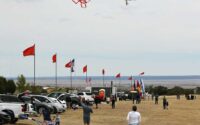
Community and Color Soar at Edgewood’s Annual Kite Festival
About The Author
