

East Mountain Family Rallies to Raise $4,000 for San Antonito Student’s Wheelchair Van
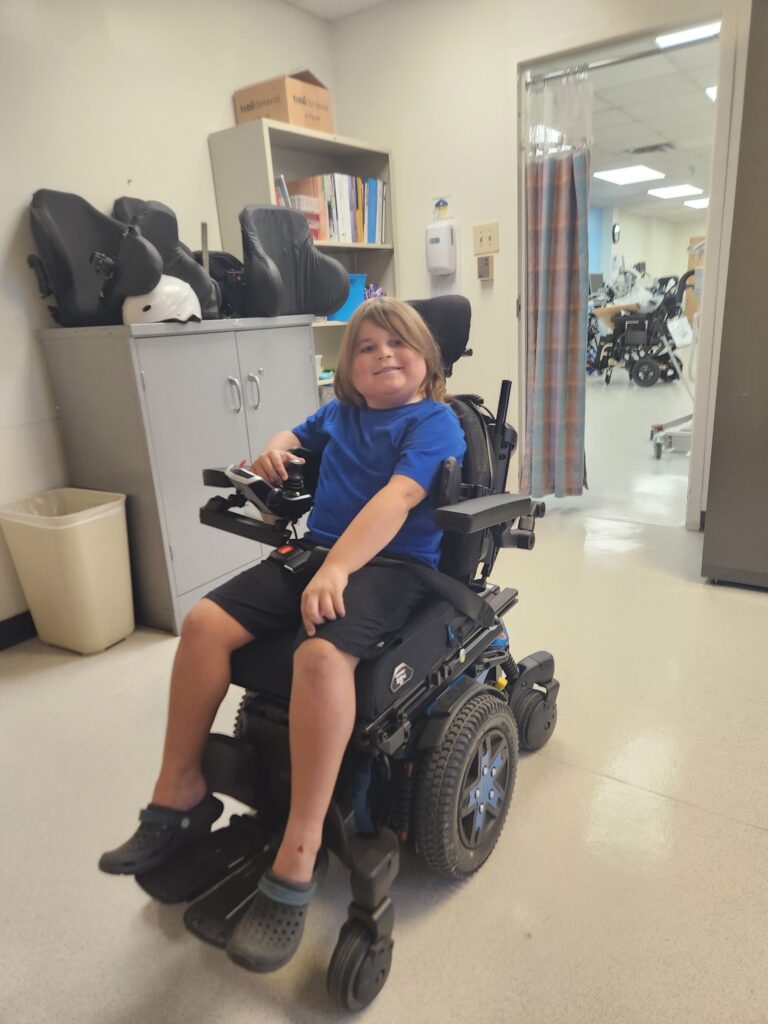
SANDIA PARK, N.M. — An East Mountain family is racing against a two-week deadline to raise $4,000 for a wheelchair-accessible vehicle so their 10-year-old son, who is living with a progressive muscle-wasting disorder, can remain active in his school and community.
Kelly Garcia launched an online fundraiser to secure the vehicle for her oldest son, Haydyn, a student at San Antonito STEM Magnet School. Both of Garcia’s sons were diagnosed in 2024 with Duchenne muscular dystrophy, a rare and incurable genetic disorder.

While Haydyn is still able to walk short distances, his condition has progressed to the point that he relies on a motorized wheelchair roughly 95% of the time. Currently, the family does not own a vehicle capable of transporting the heavy power chair, limiting Haydyn’s ability to use it at school and around the East Mountains.
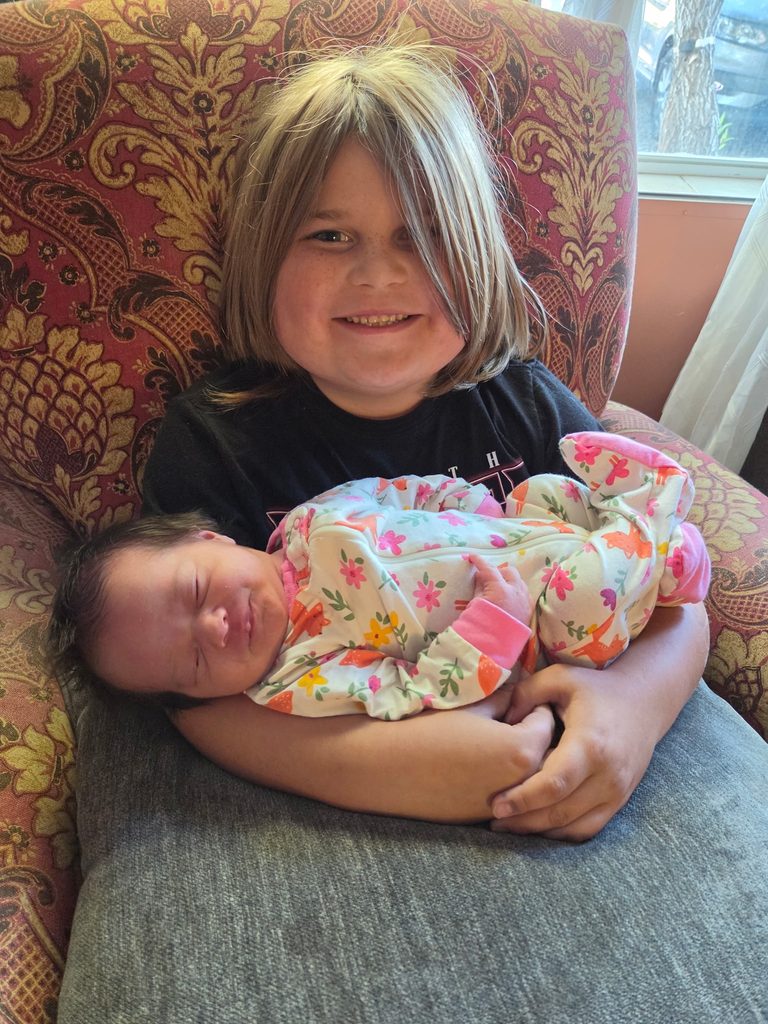
“I just want my boys to have a good life, and being a part of their school and community is the best way for them to feel safe, loved and included,” Garcia wrote on the fundraising page.
Garcia said the family recently learned they need to raise $4,000 to acquire the accessible vehicle, but they have only two weeks to keep it on hold.
Understanding Duchenne muscular dystrophy
According to the Centers for Disease Control and Prevention and the Muscular Dystrophy Association, Duchenne muscular dystrophy (DMD) is the most common and severe form of muscular dystrophy diagnosed in childhood.
- Cause: DMD is caused by a genetic mutation that prevents the body from producing dystrophin, a protein essential for keeping muscle cells intact. Without dystrophin, muscles progressively weaken, break down and cannot regenerate.
- Who is affected: Because the gene responsible for dystrophin is located on the X chromosome, the disorder primarily affects boys, occurring in roughly 1 in every 3,500 to 5,000 male births worldwide. Symptoms typically appear between ages 2 and 3.
- Progression: Muscle weakness begins in the hips, pelvis, thighs and shoulders before spreading to the rest of the body. Most children with DMD require a wheelchair by their early teens. Over time, the disease also weakens the heart and respiratory muscles, leading to serious cardiac and breathing complications.
- Treatment: There is currently no cure for Duchenne muscular dystrophy. However, advancements in physical therapy, corticosteroids, respiratory care and newer gene-targeted therapies have helped slow muscle degeneration, manage symptoms and extend life expectancy into adulthood.
How to help
Community members interested in supporting the Garcia family can contribute through their GoFundMe campaign at https://www.gofundme.com/f/a-vehicle-for-haydyns-power-chair.

Community and Color Soar at Edgewood’s Annual Kite Festival

Meet May: Your Next Best Trail Buddy

Flamez Fusion Turns up the Heat During SNAP Crisis
About The Author

Russell Huffman
Raised in rural northern New Mexico, Russell Huffman is a New Mexico Press Association multi award-winning photojournalist and writer.