

Mirage Dance Camp: 25 Years of Building Confidence and Family
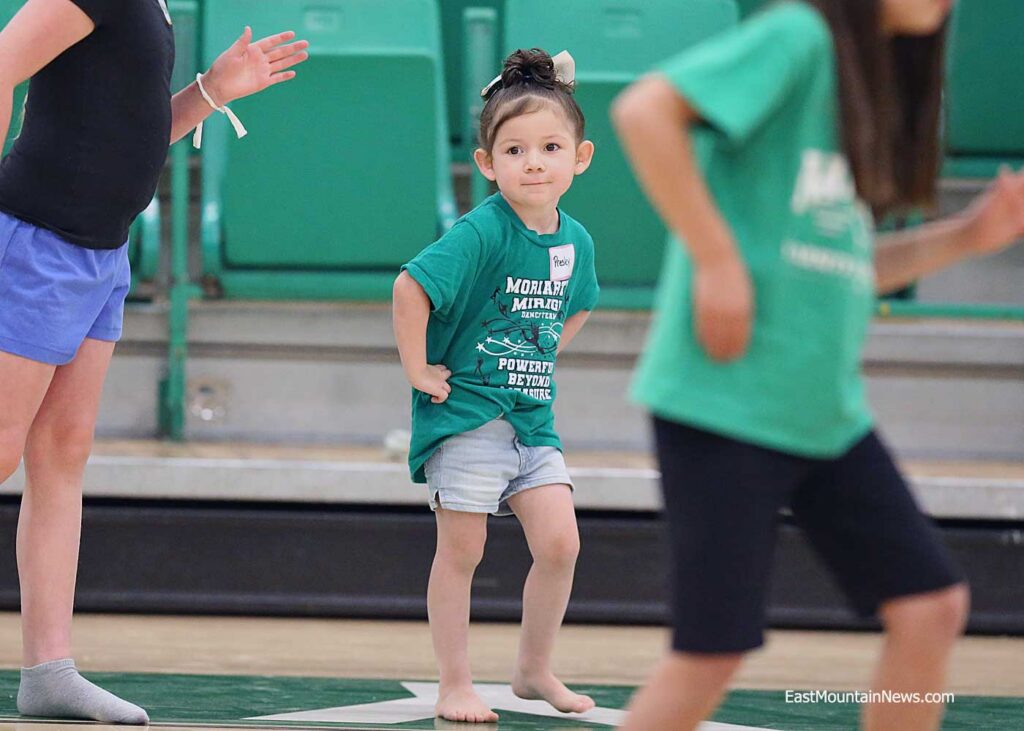
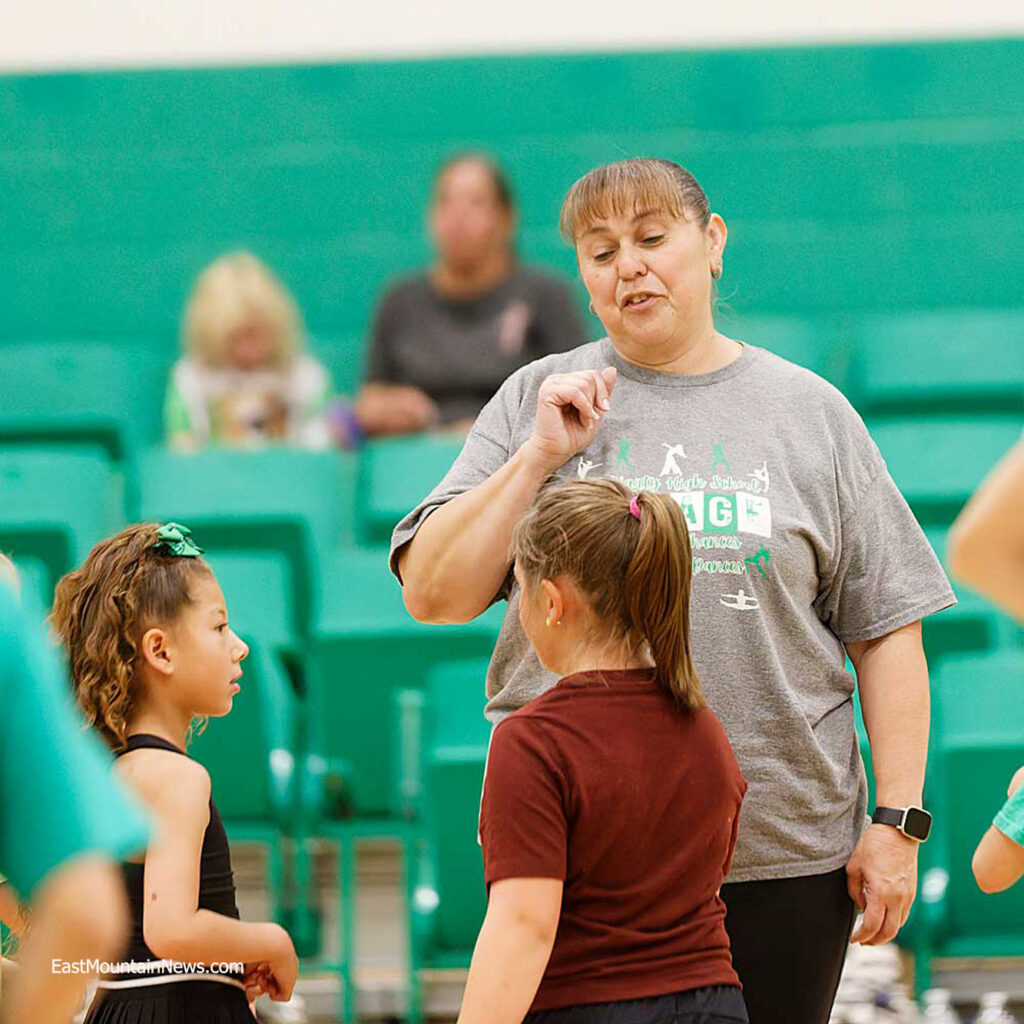
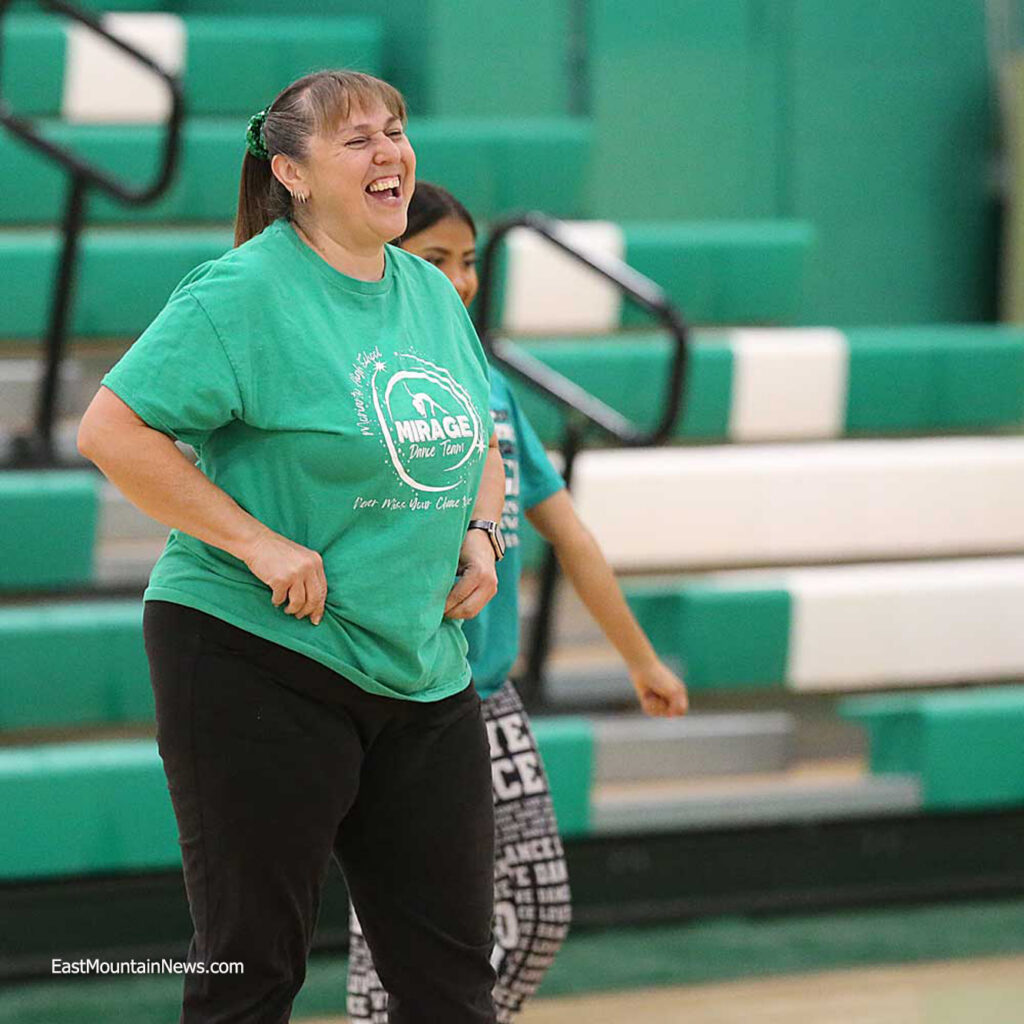
MORIARTY — In her 25 years of coaching dance, Tana Chavez has observed a distinct cultural shift in the teenagers who walk into her Moriarty High School program: they are noticeably quieter, more hesitant, and less comfortable stepping into leadership roles than the generations before them.
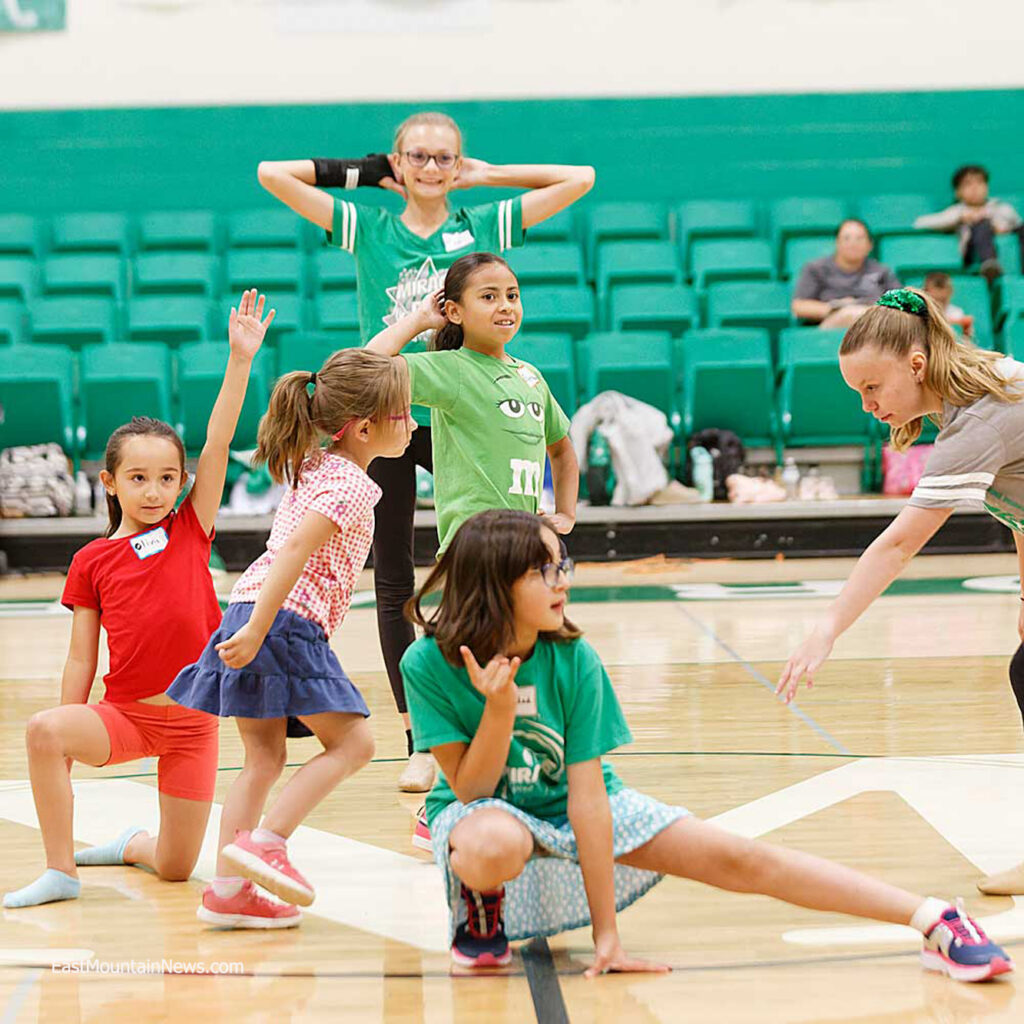
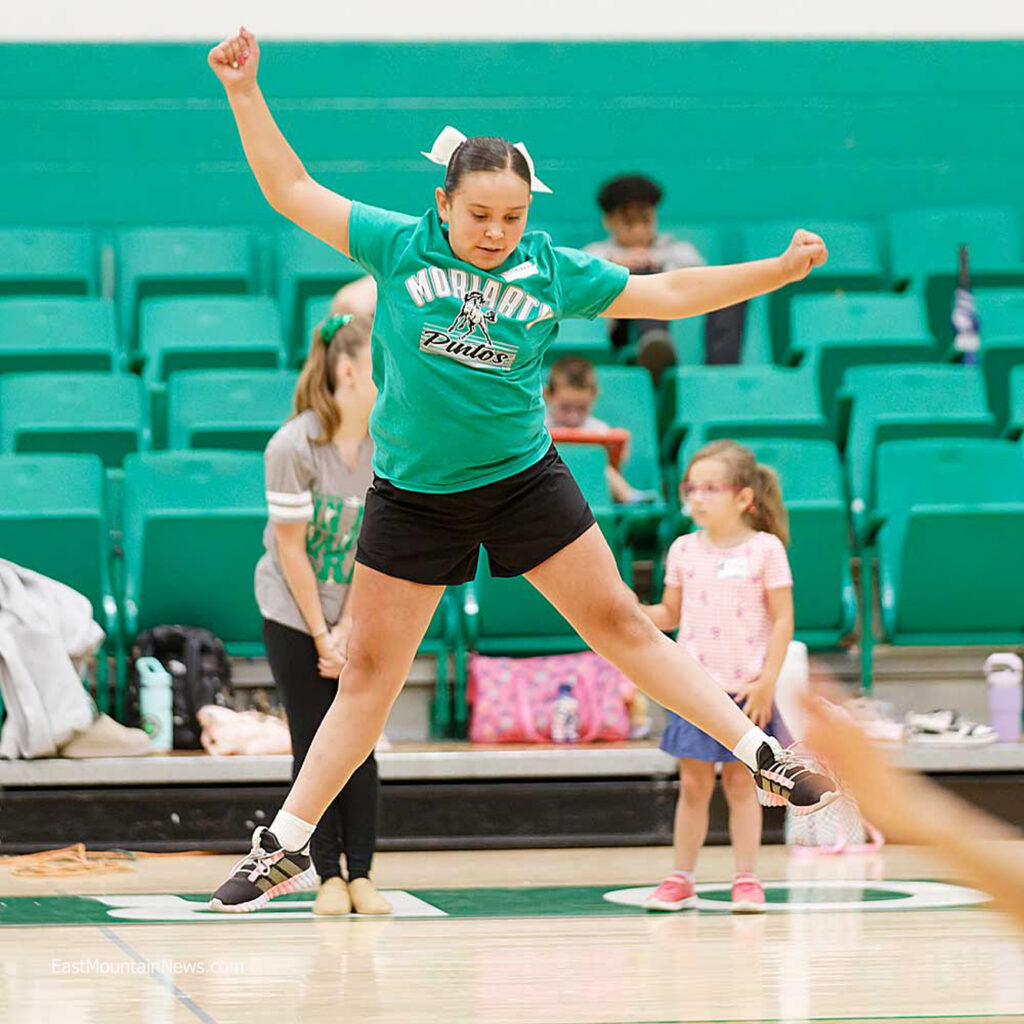
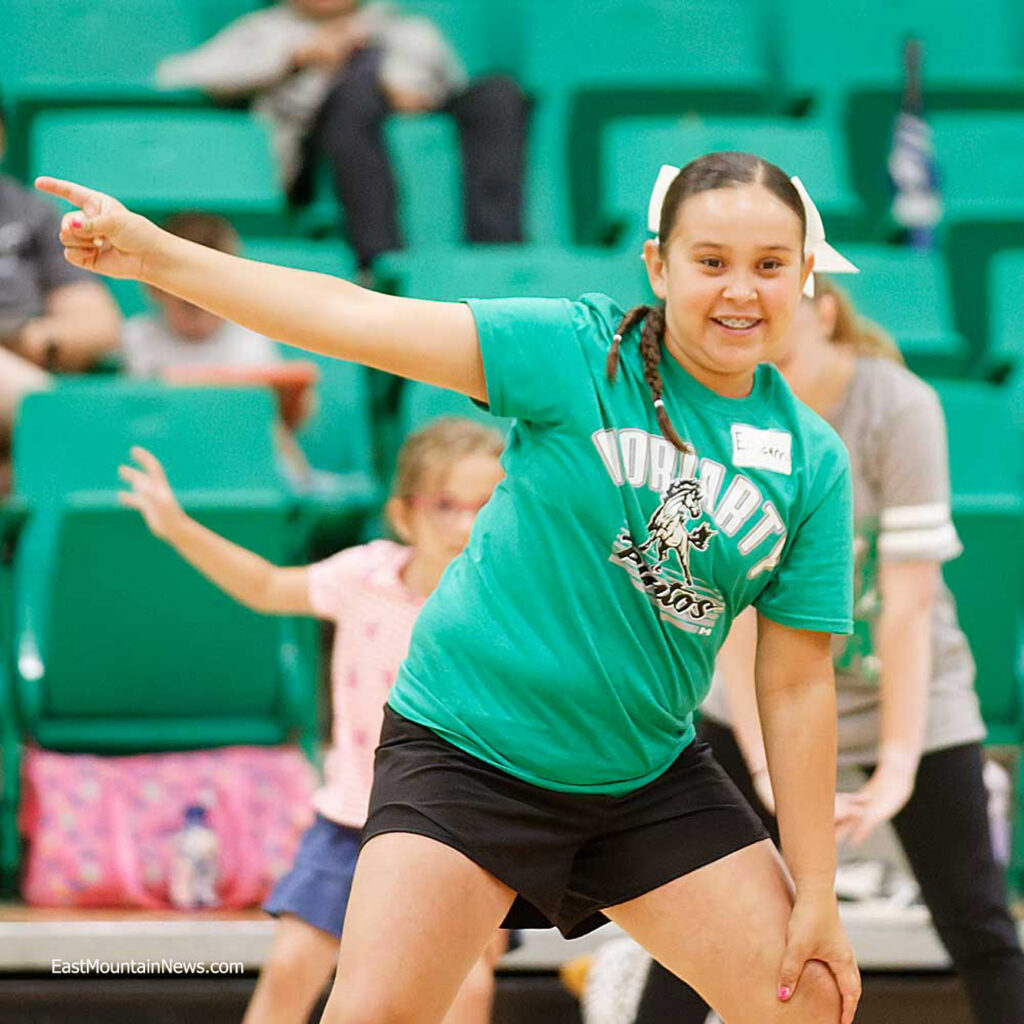
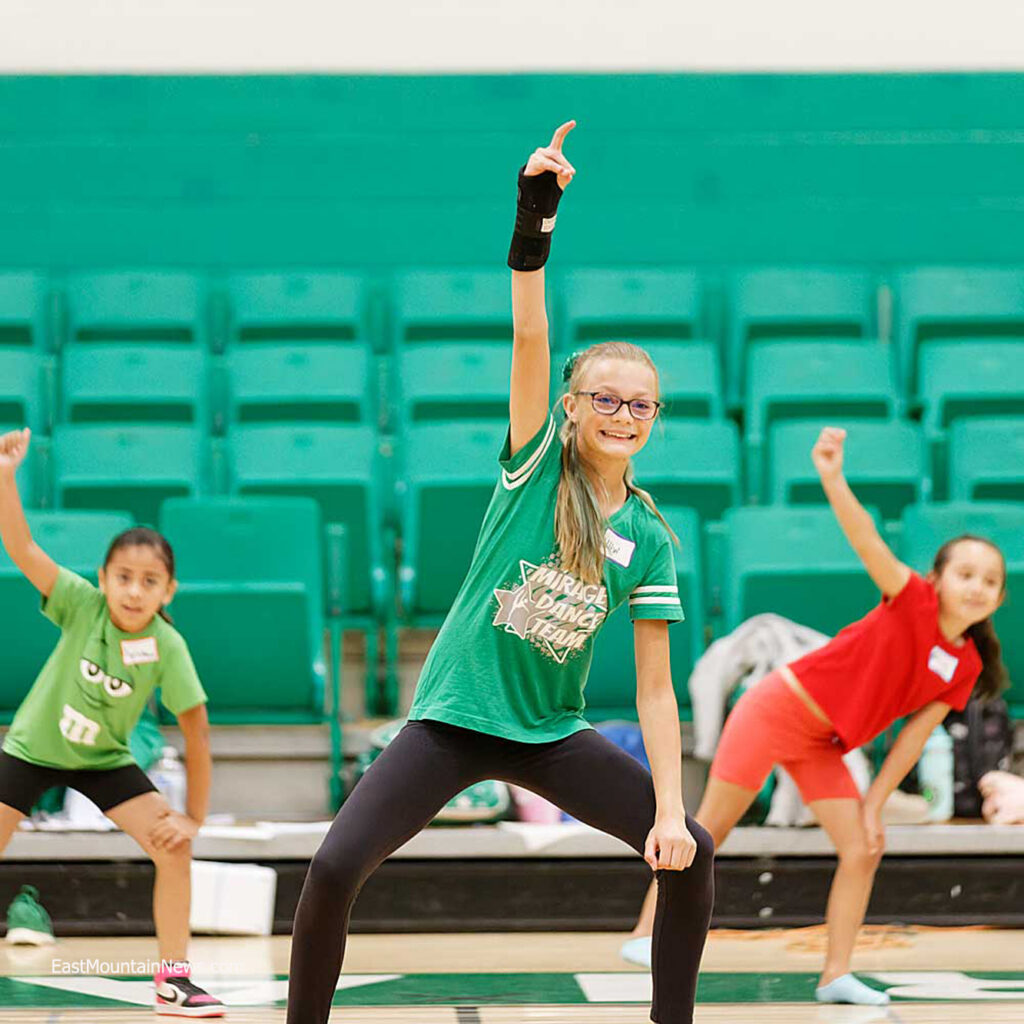
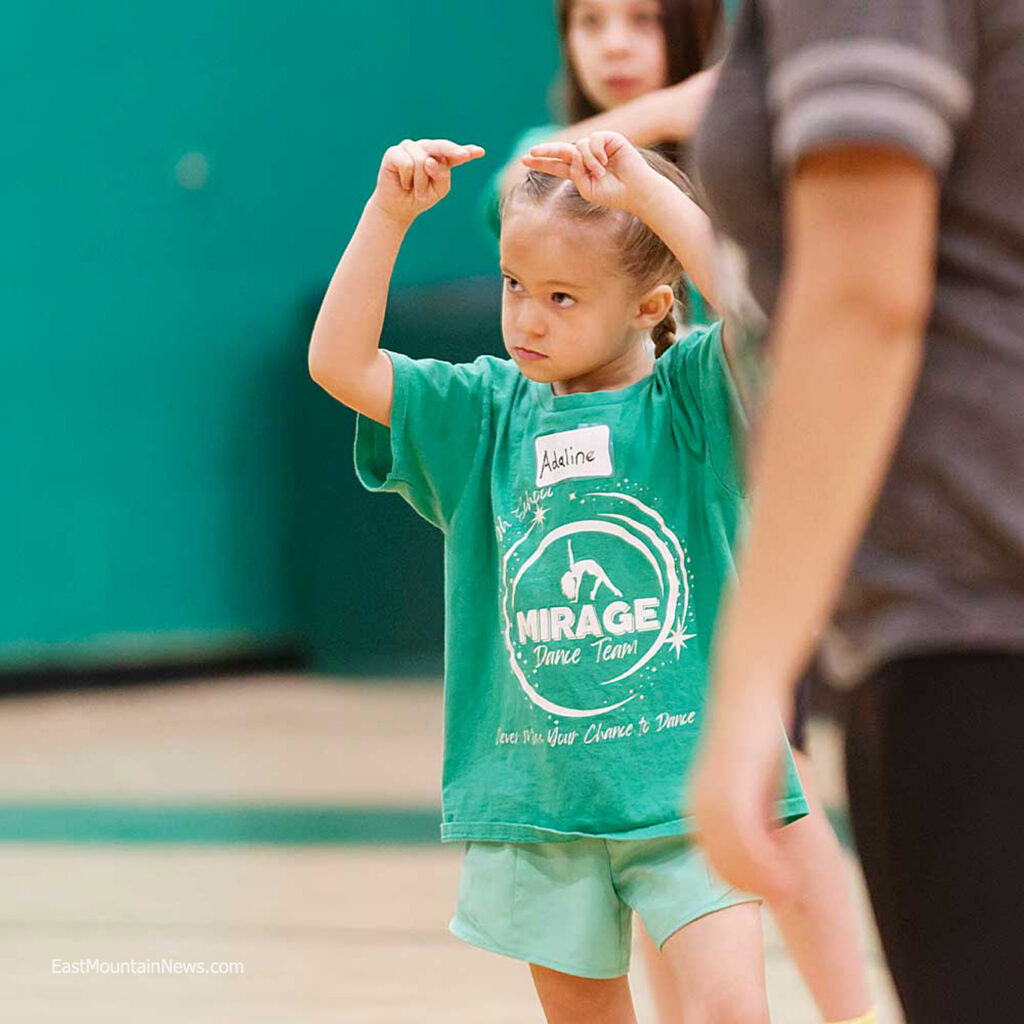
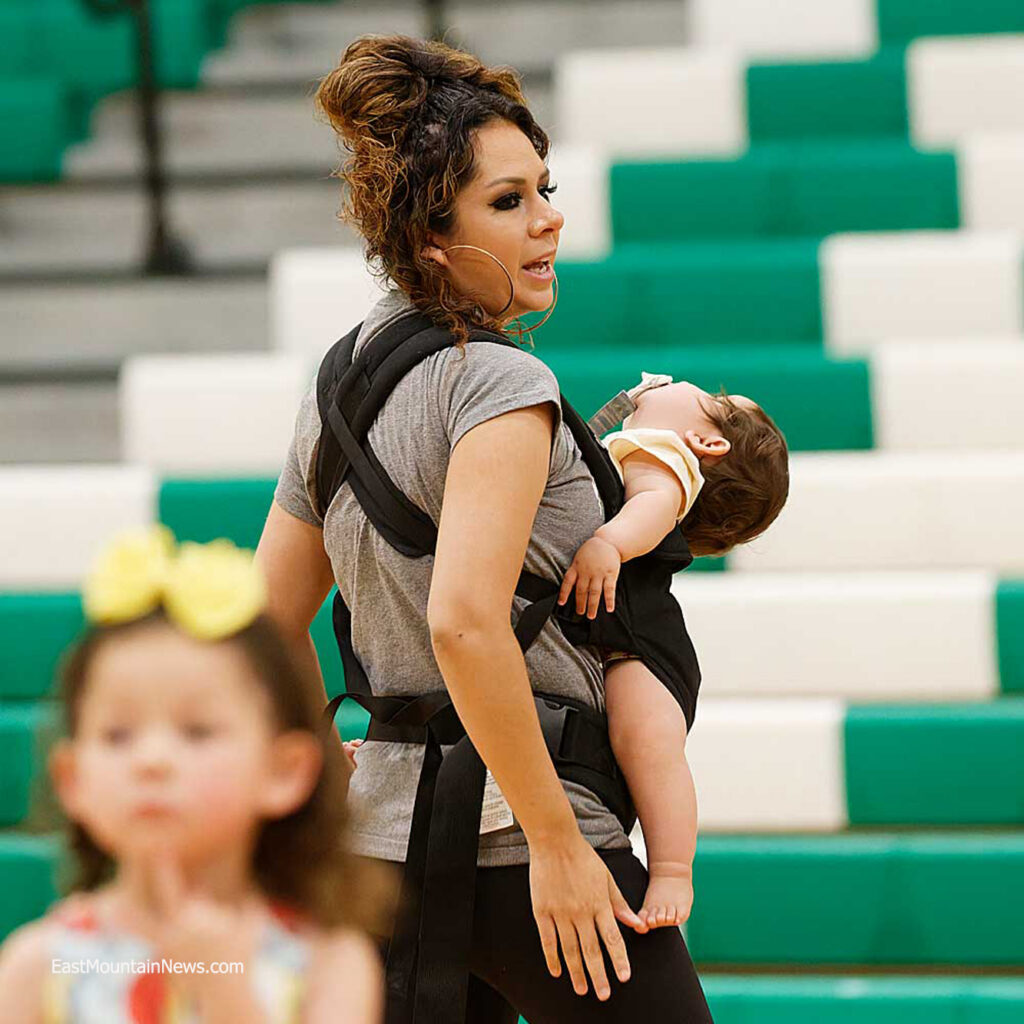
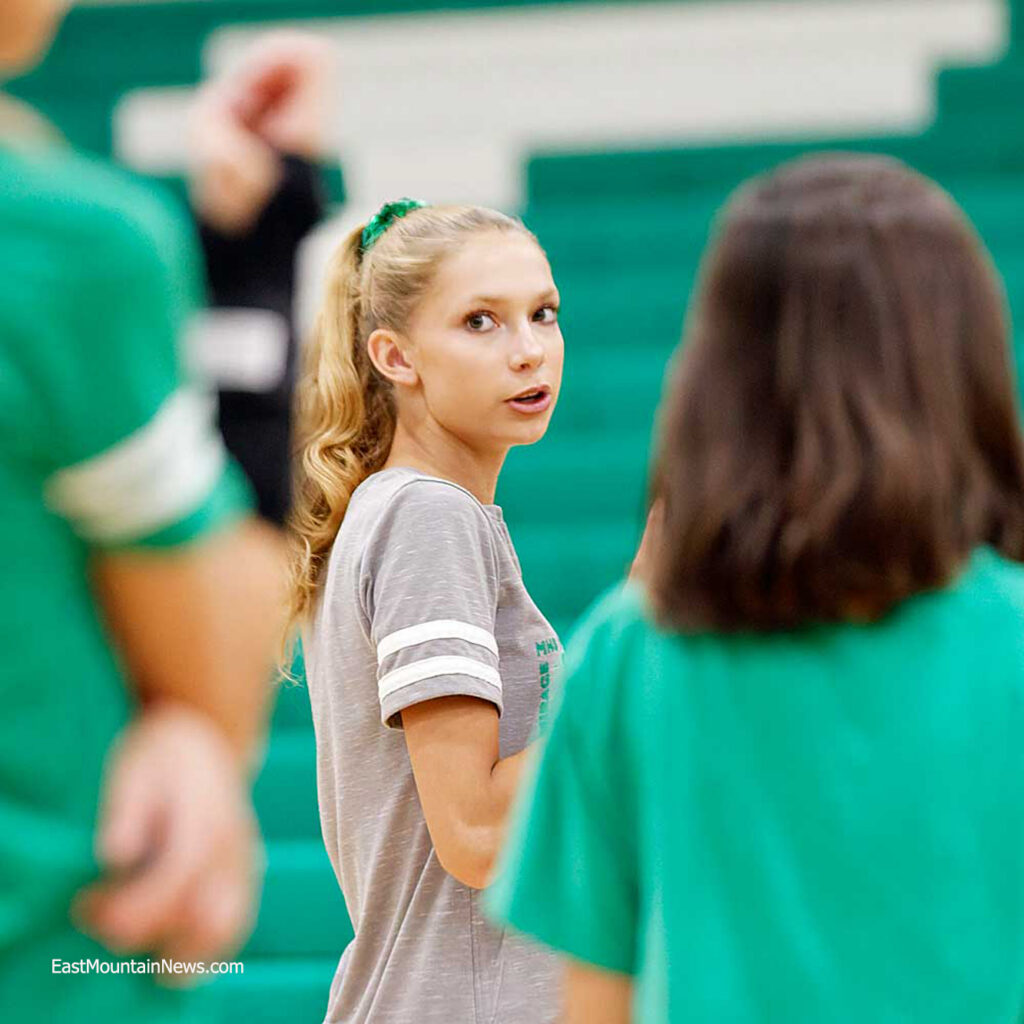
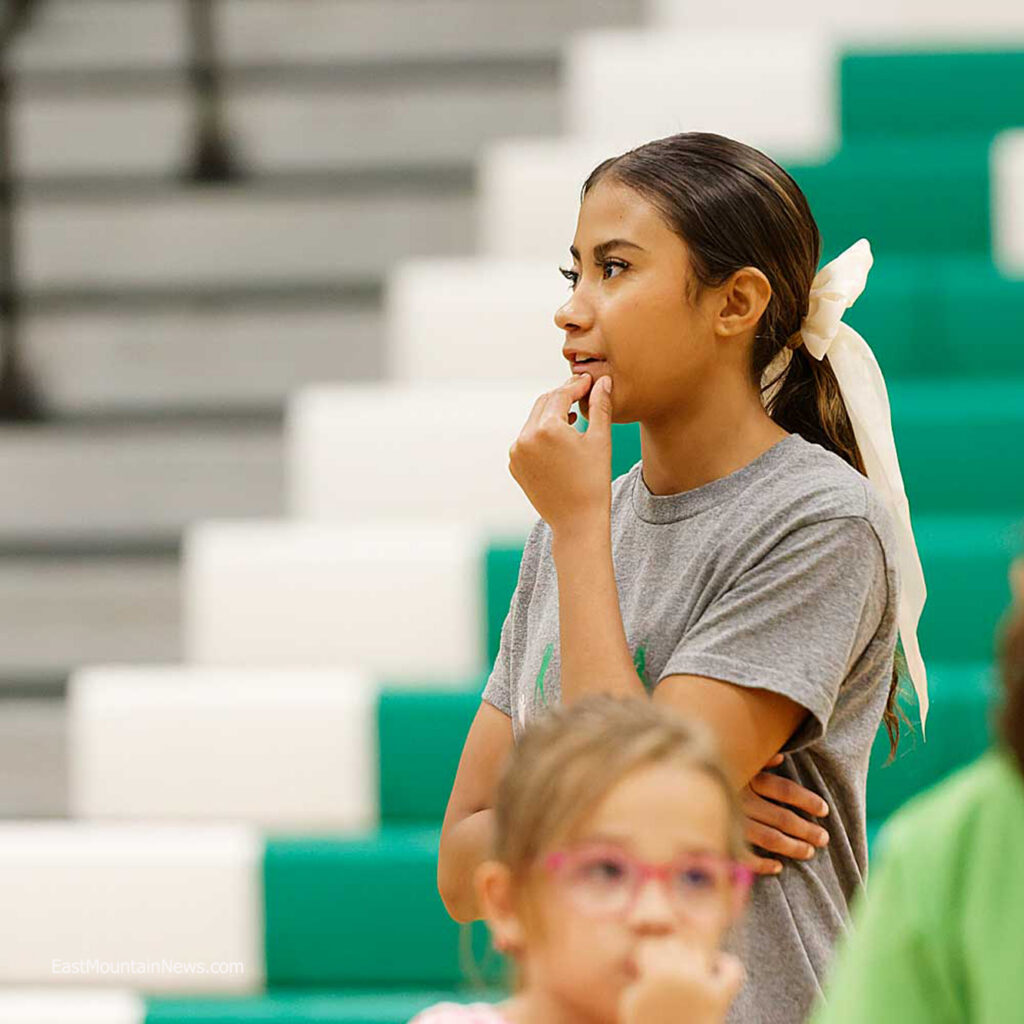
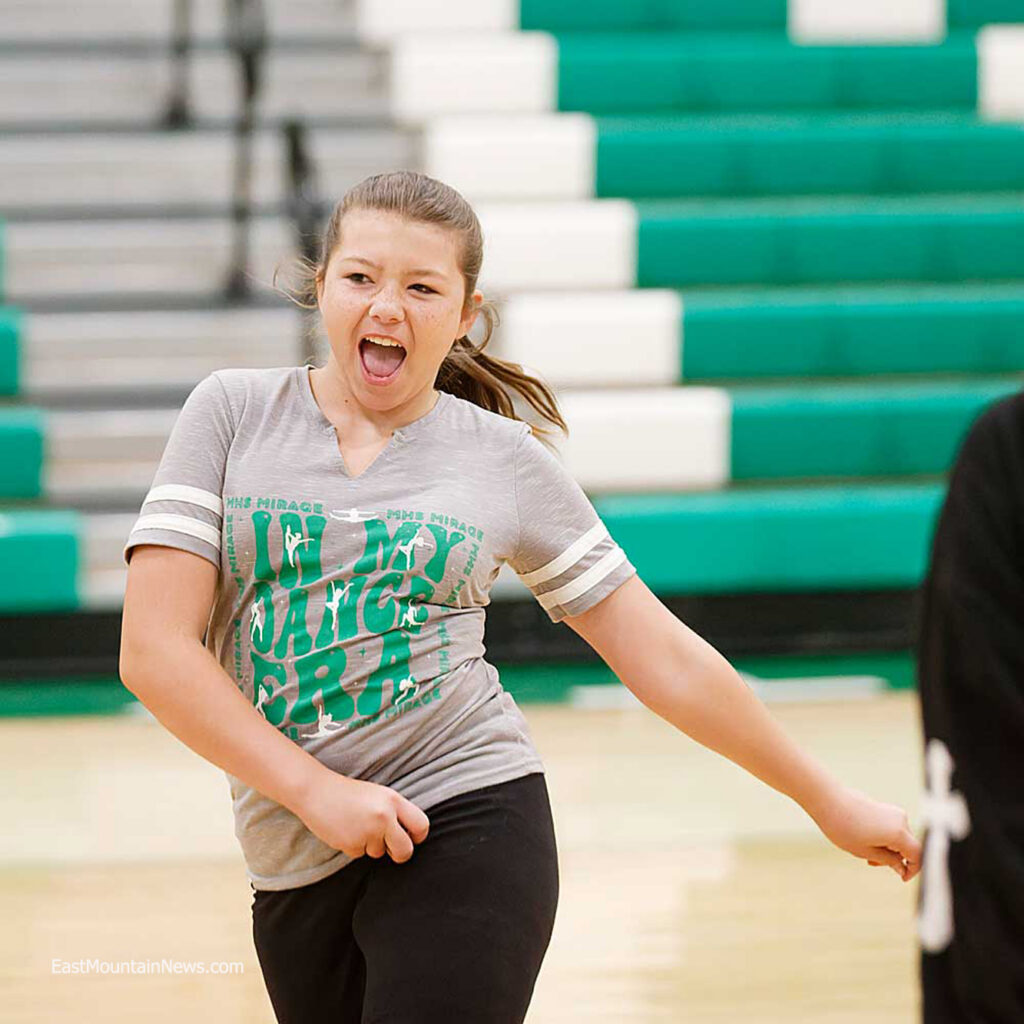
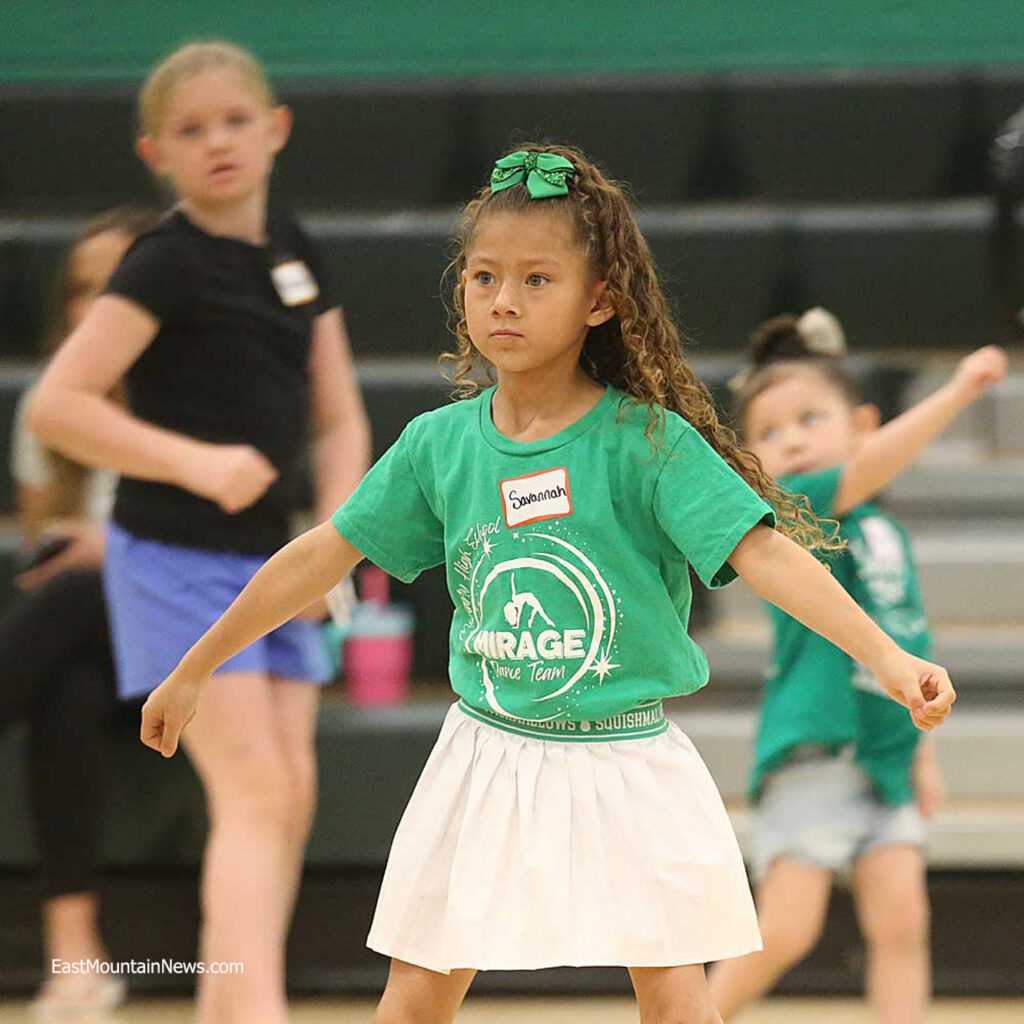
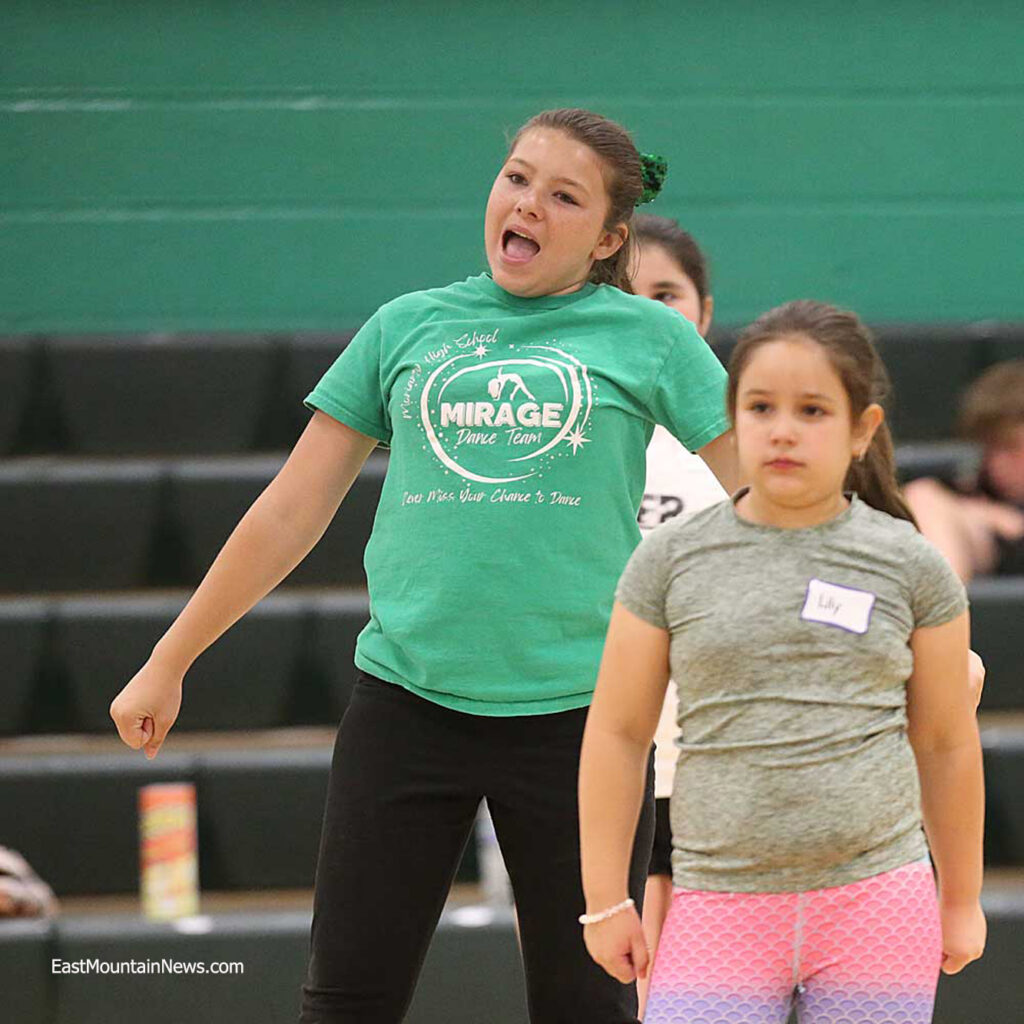
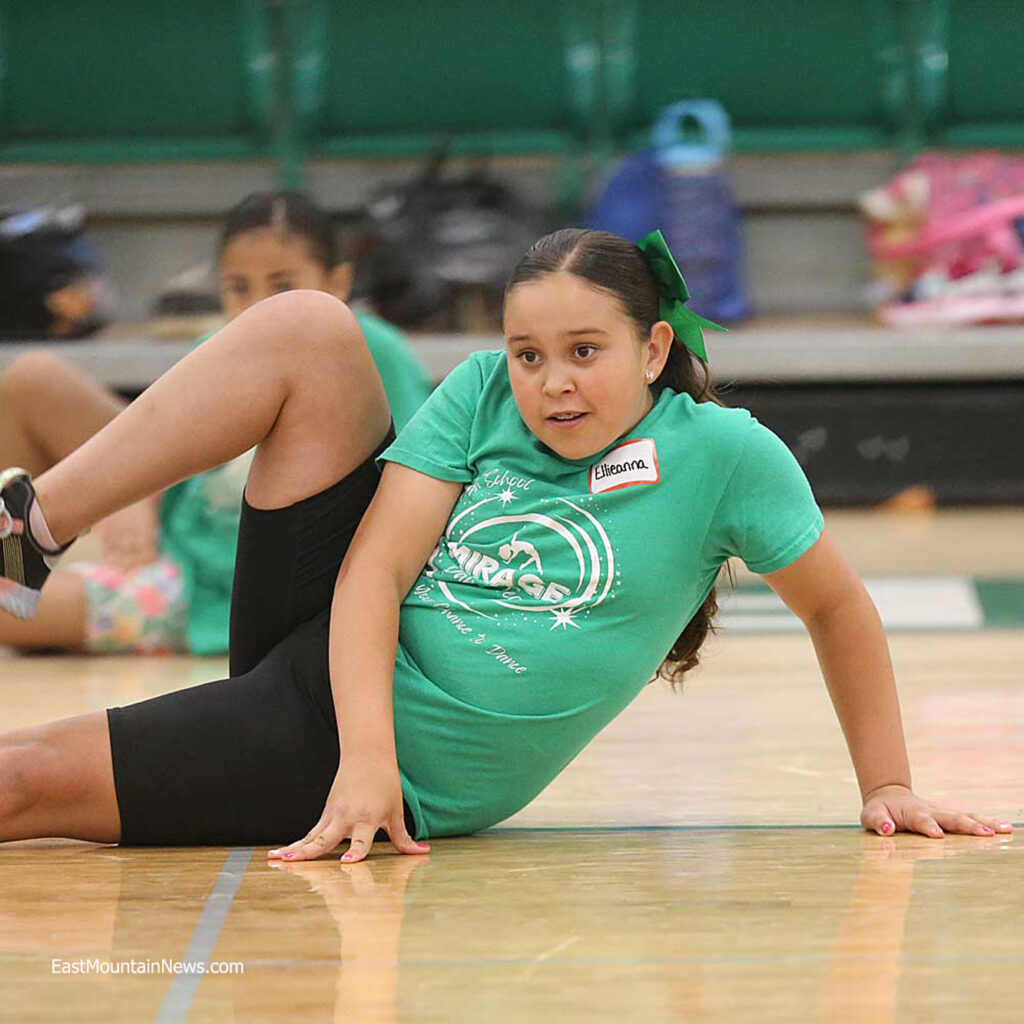
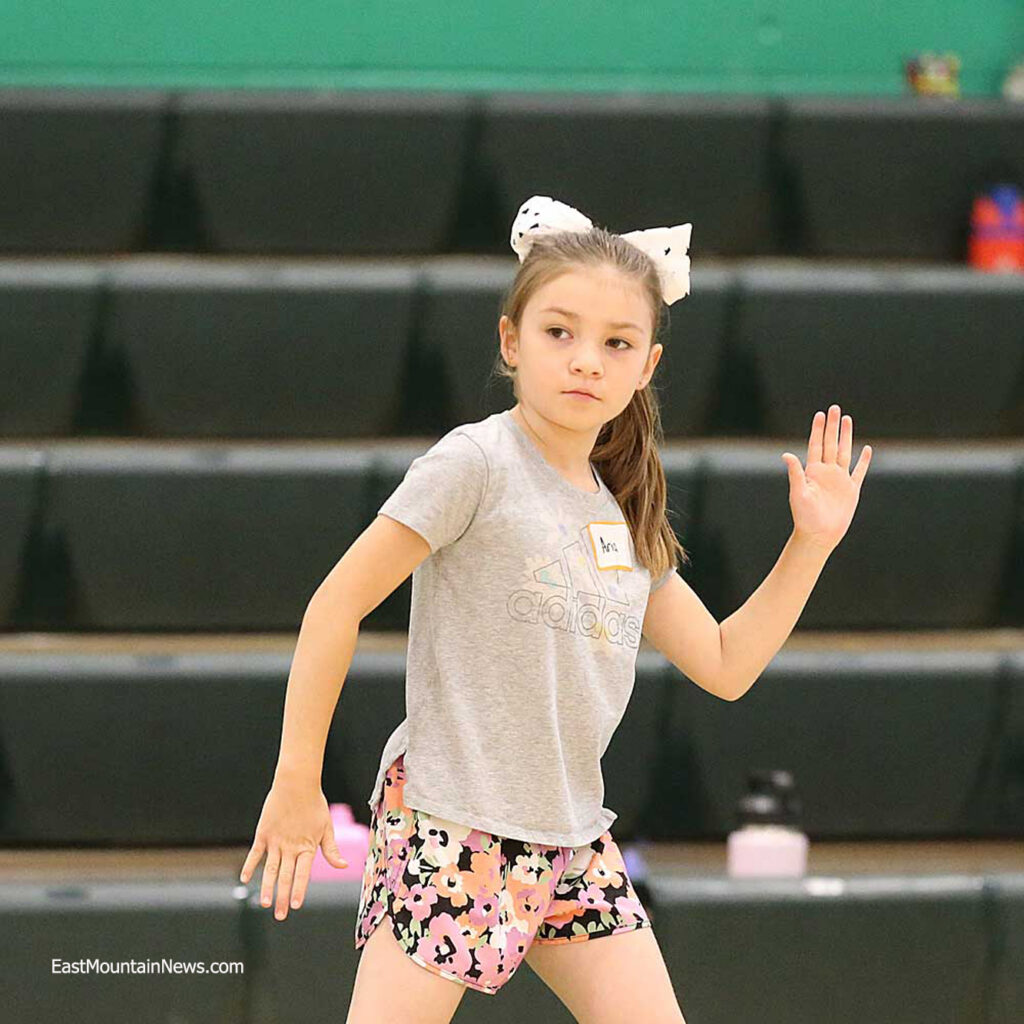
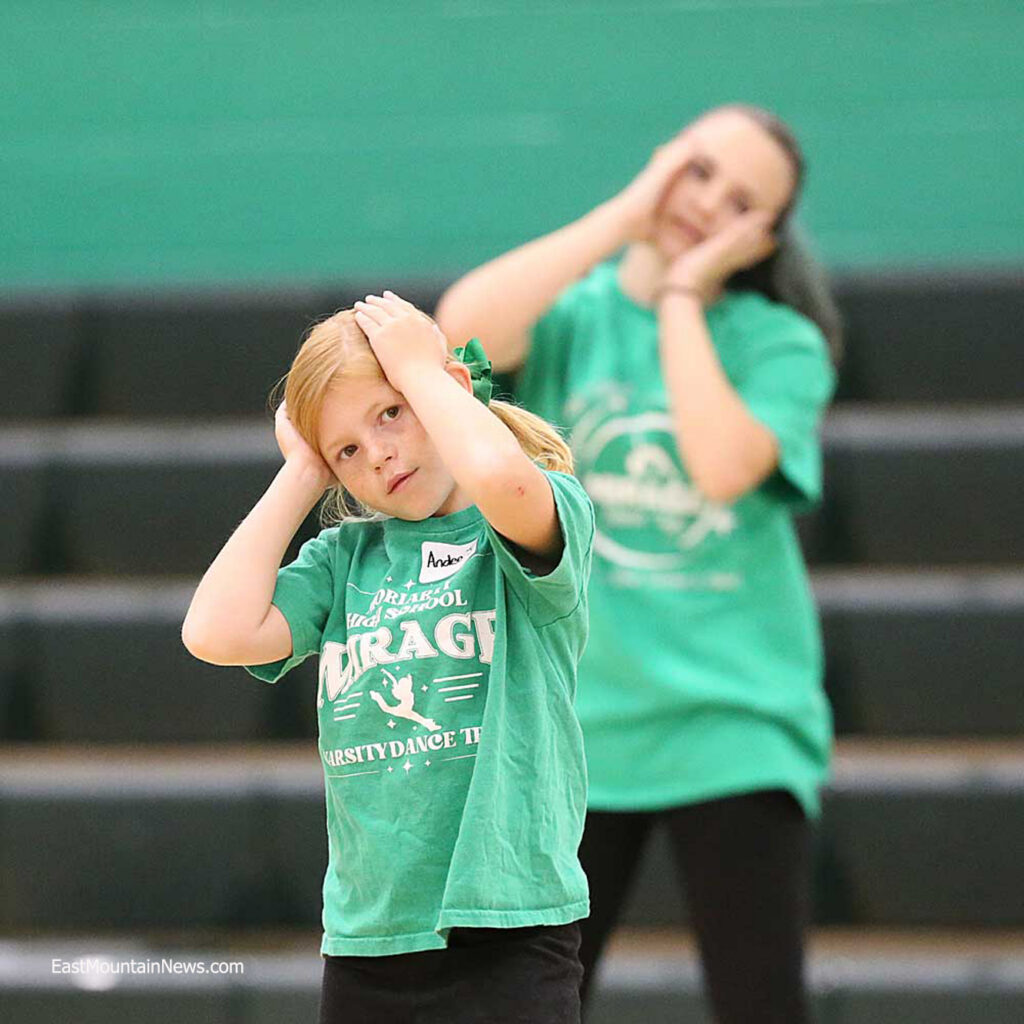
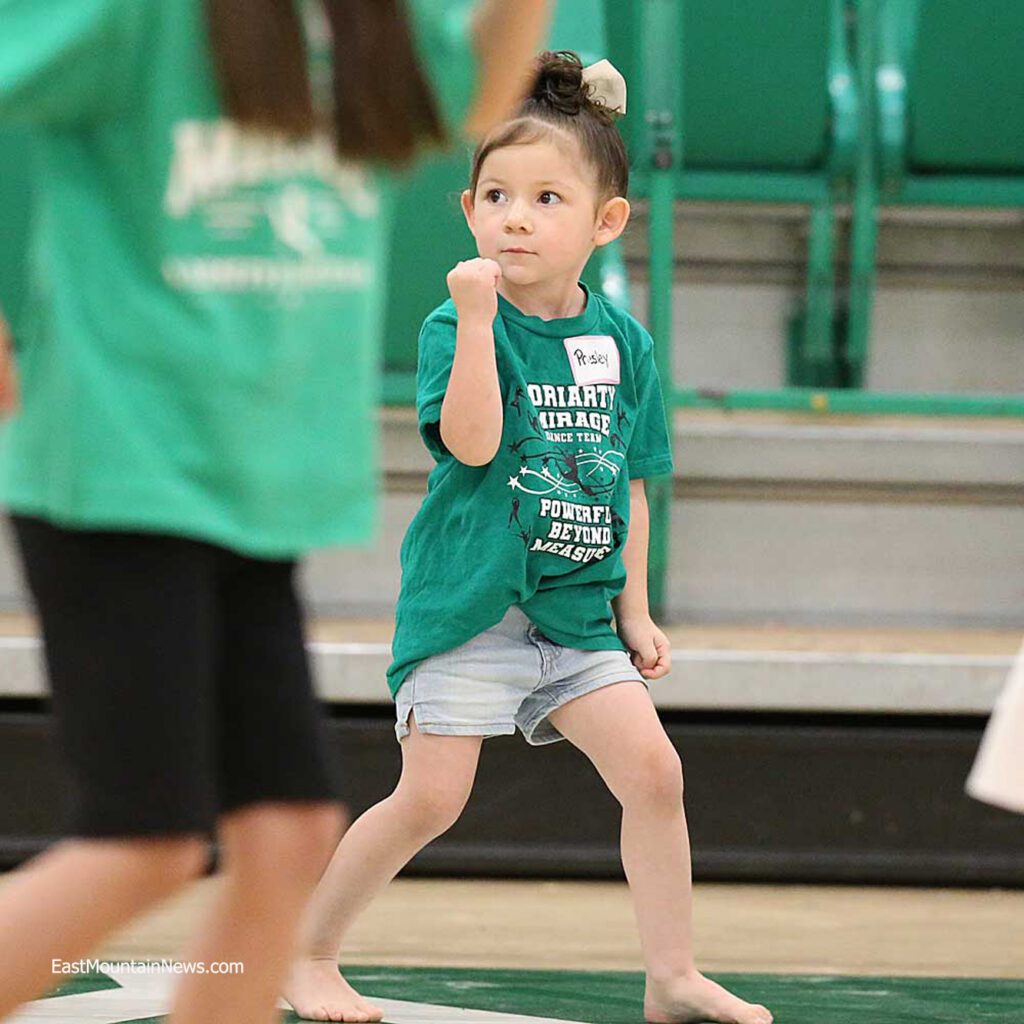
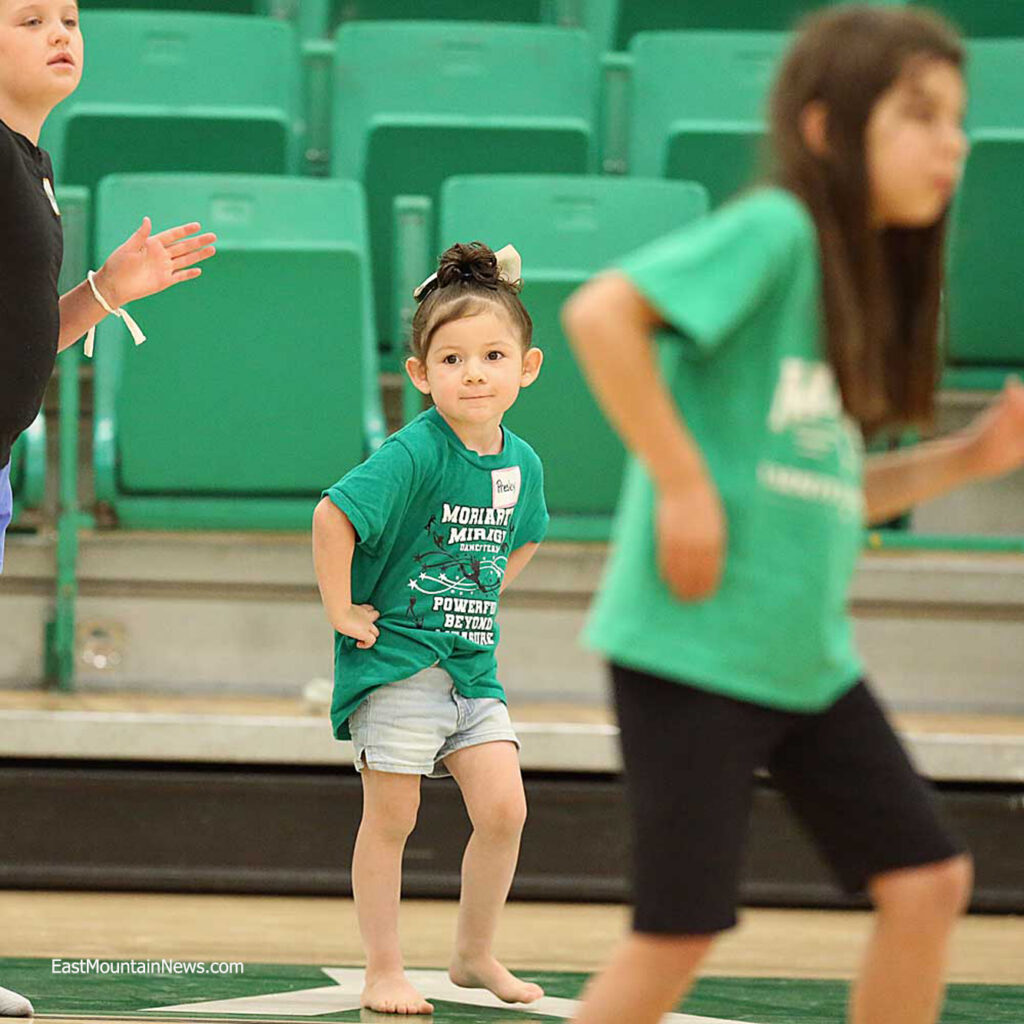
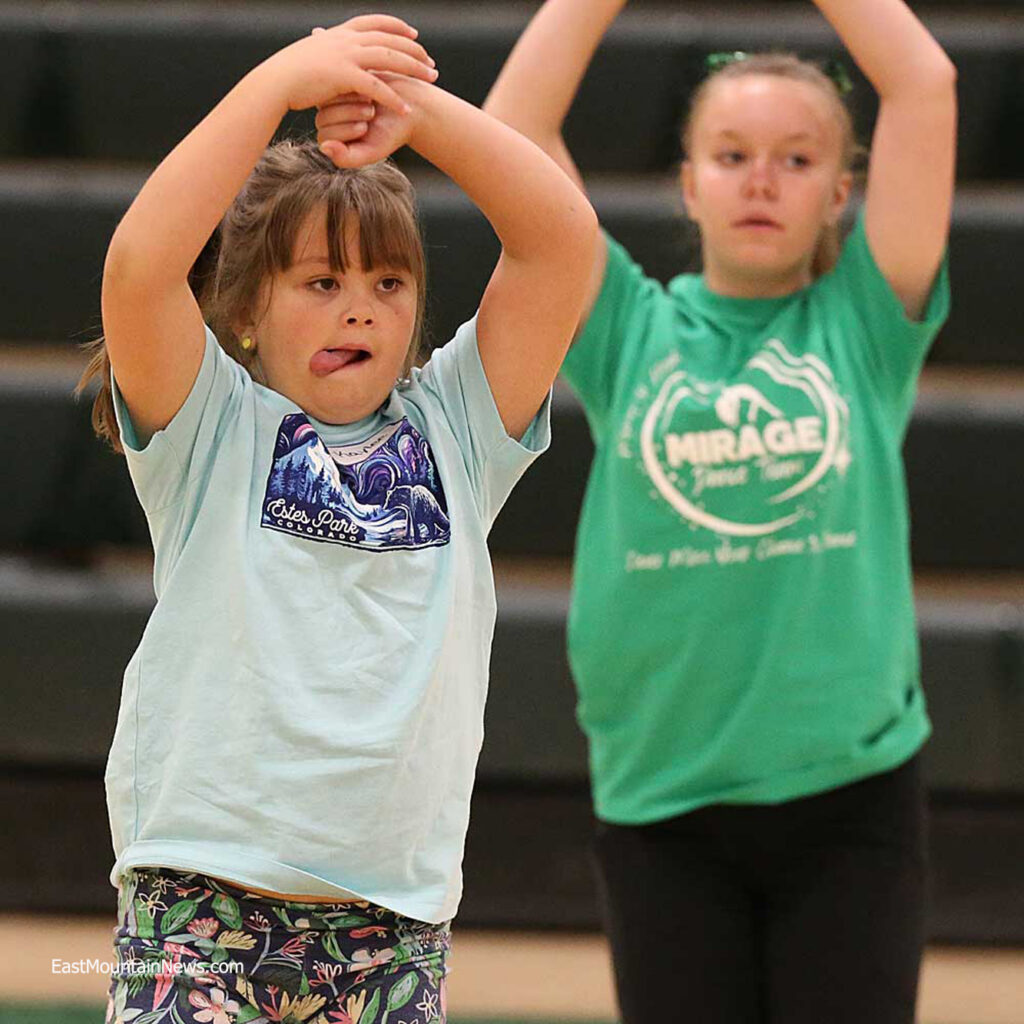
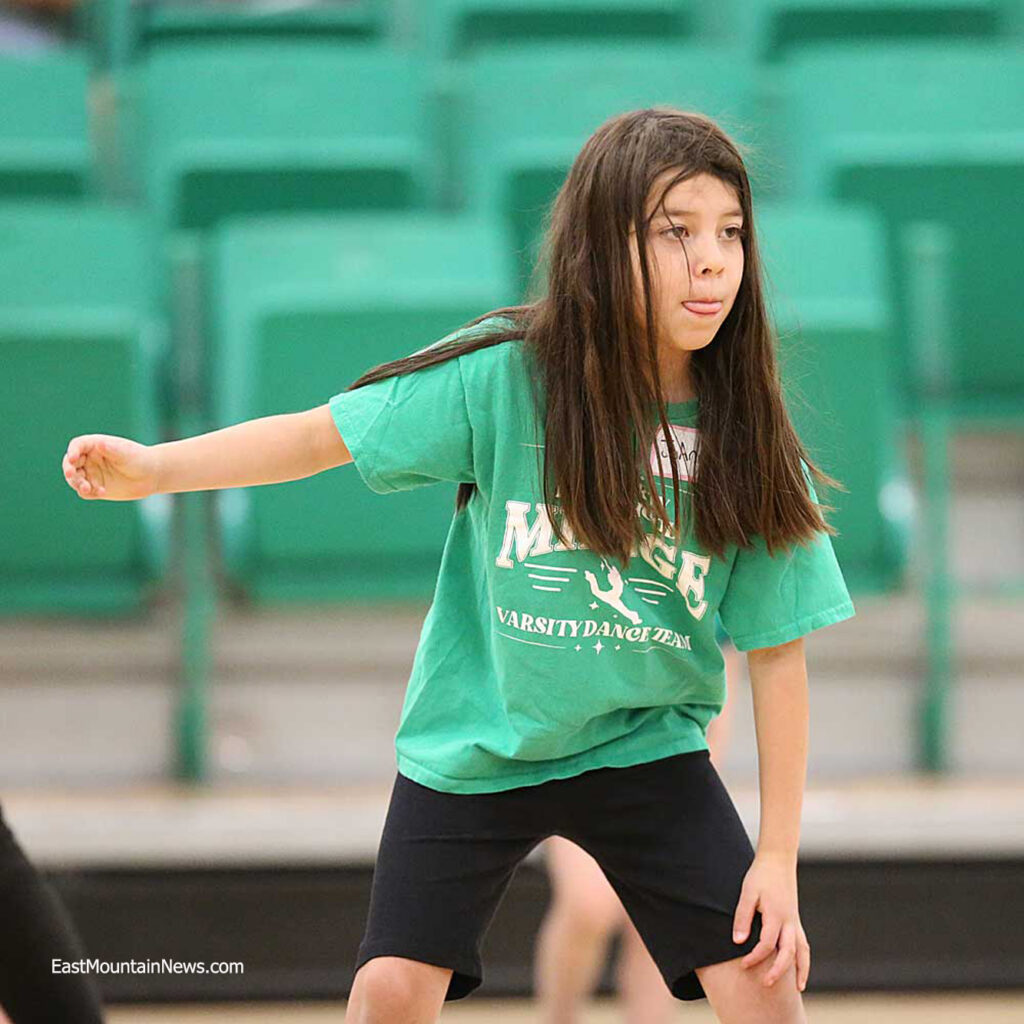
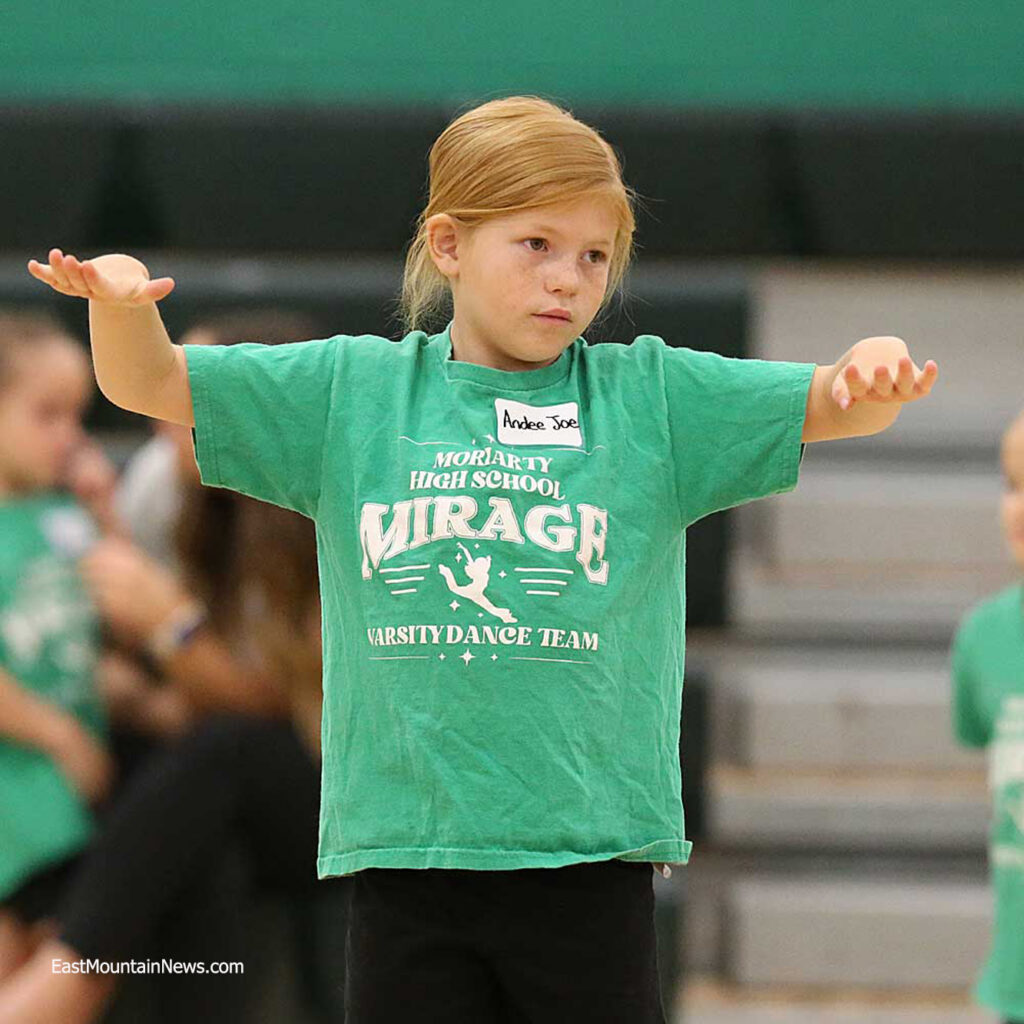
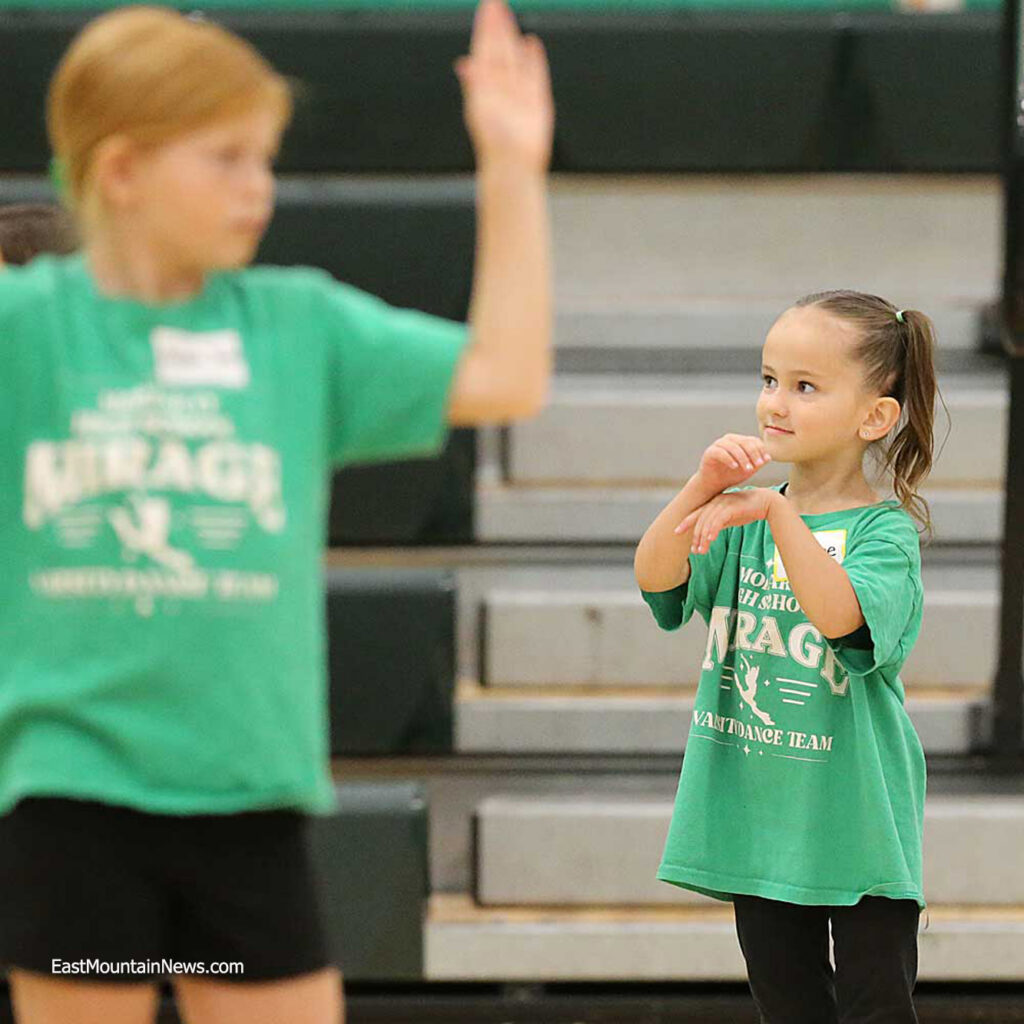
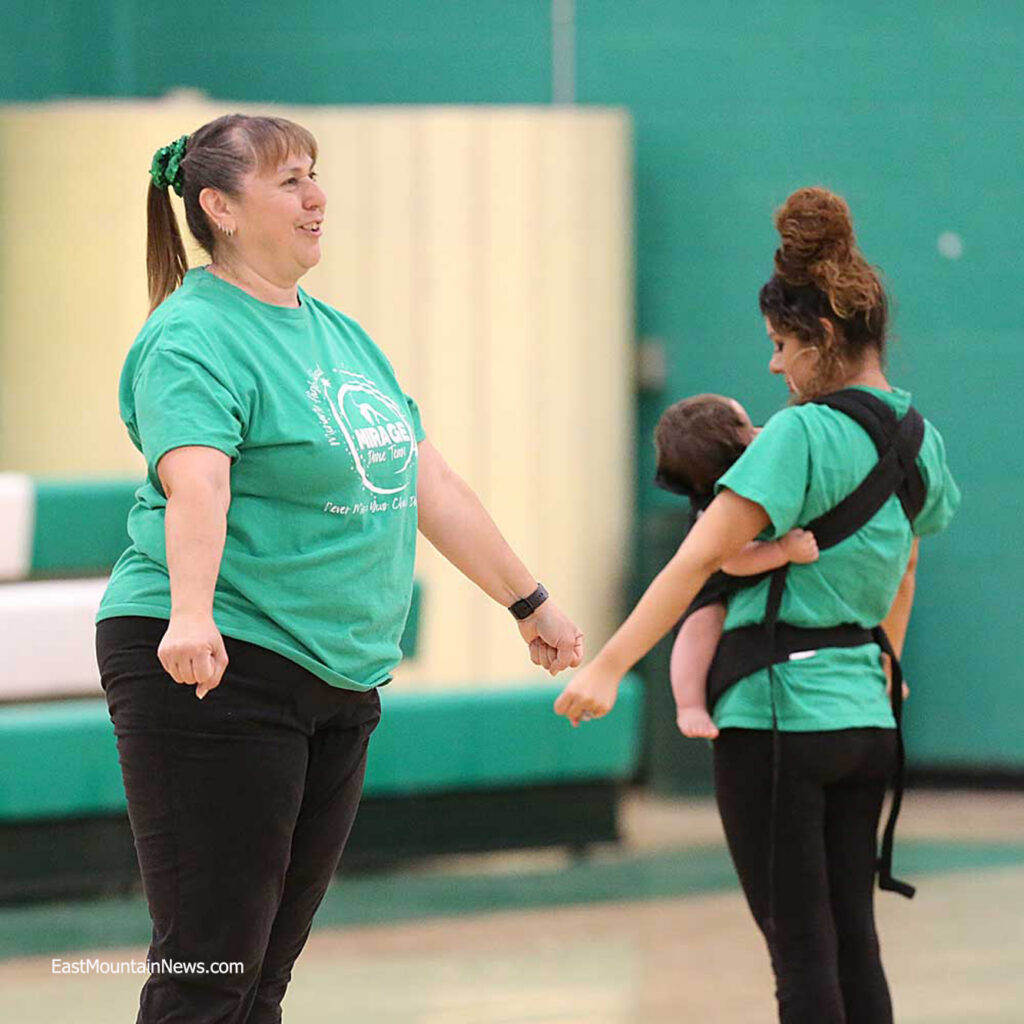
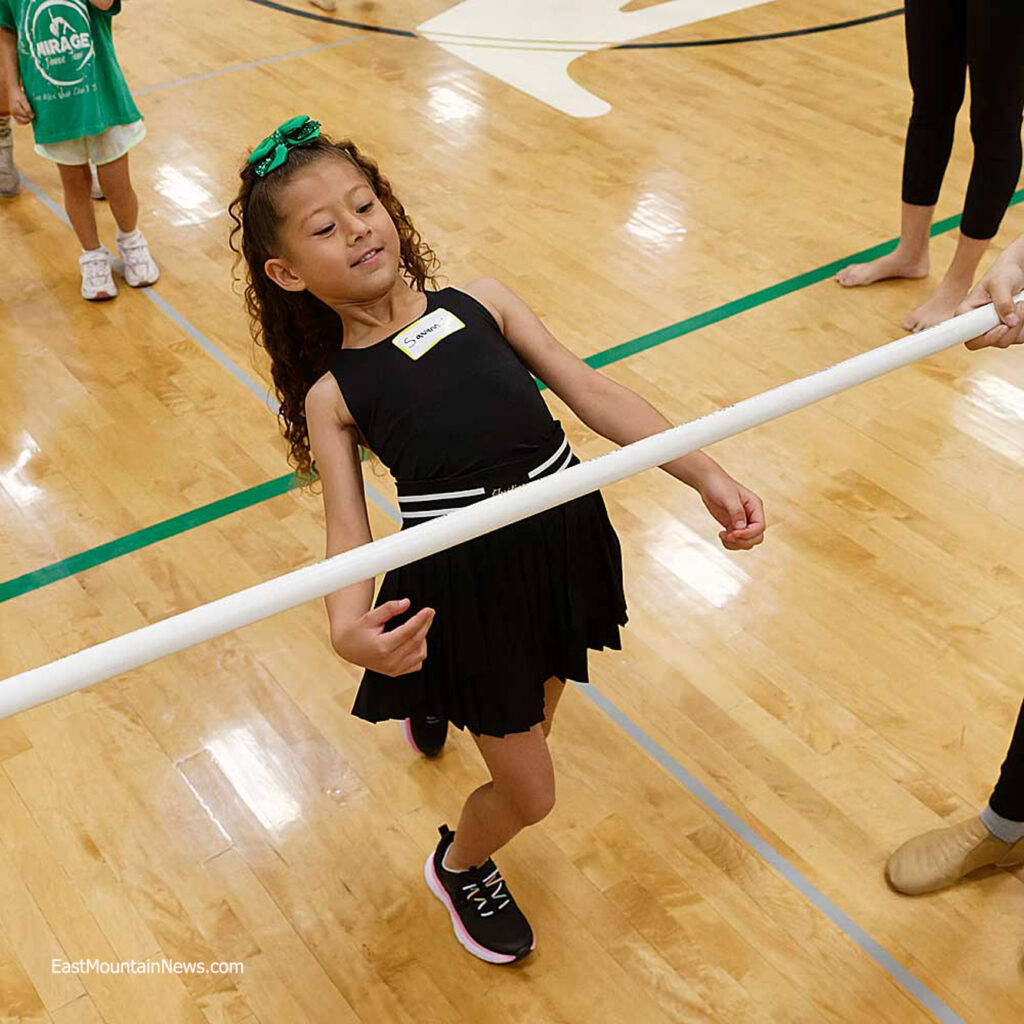
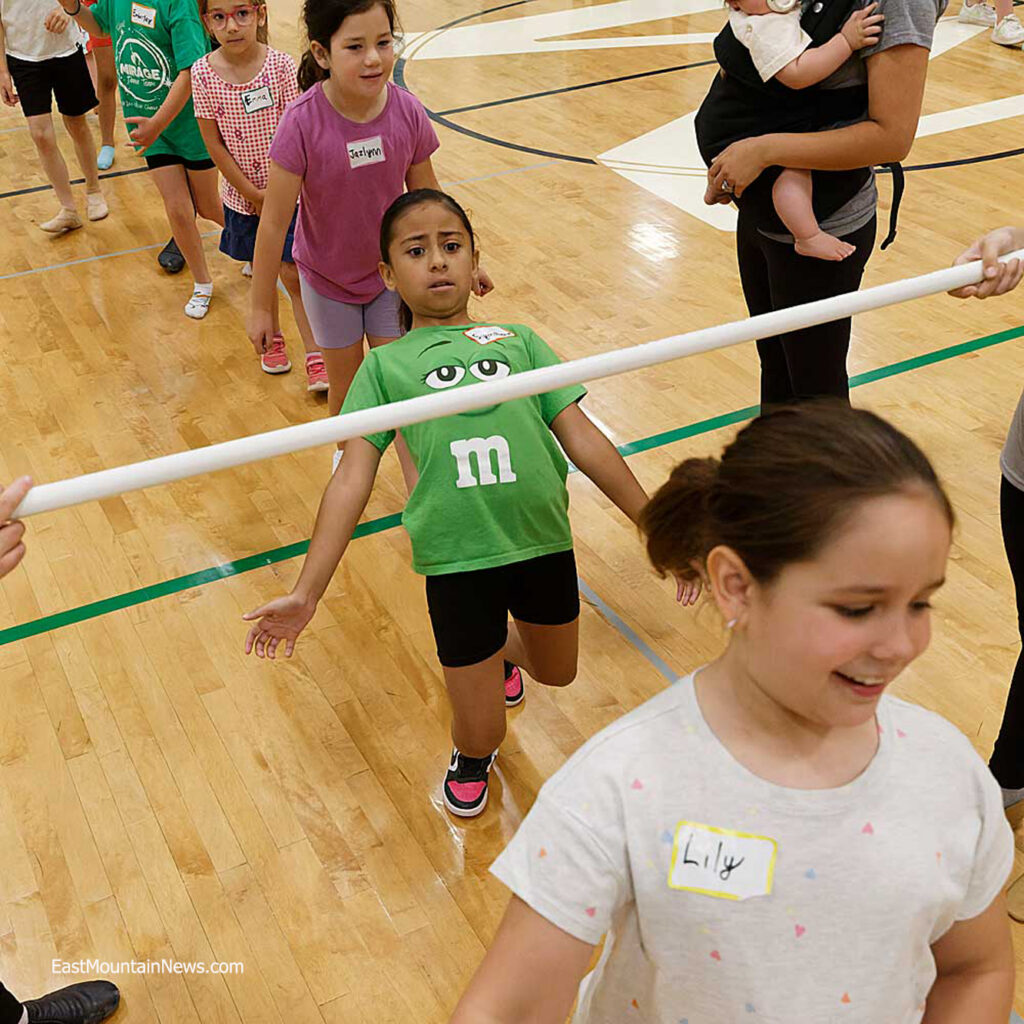
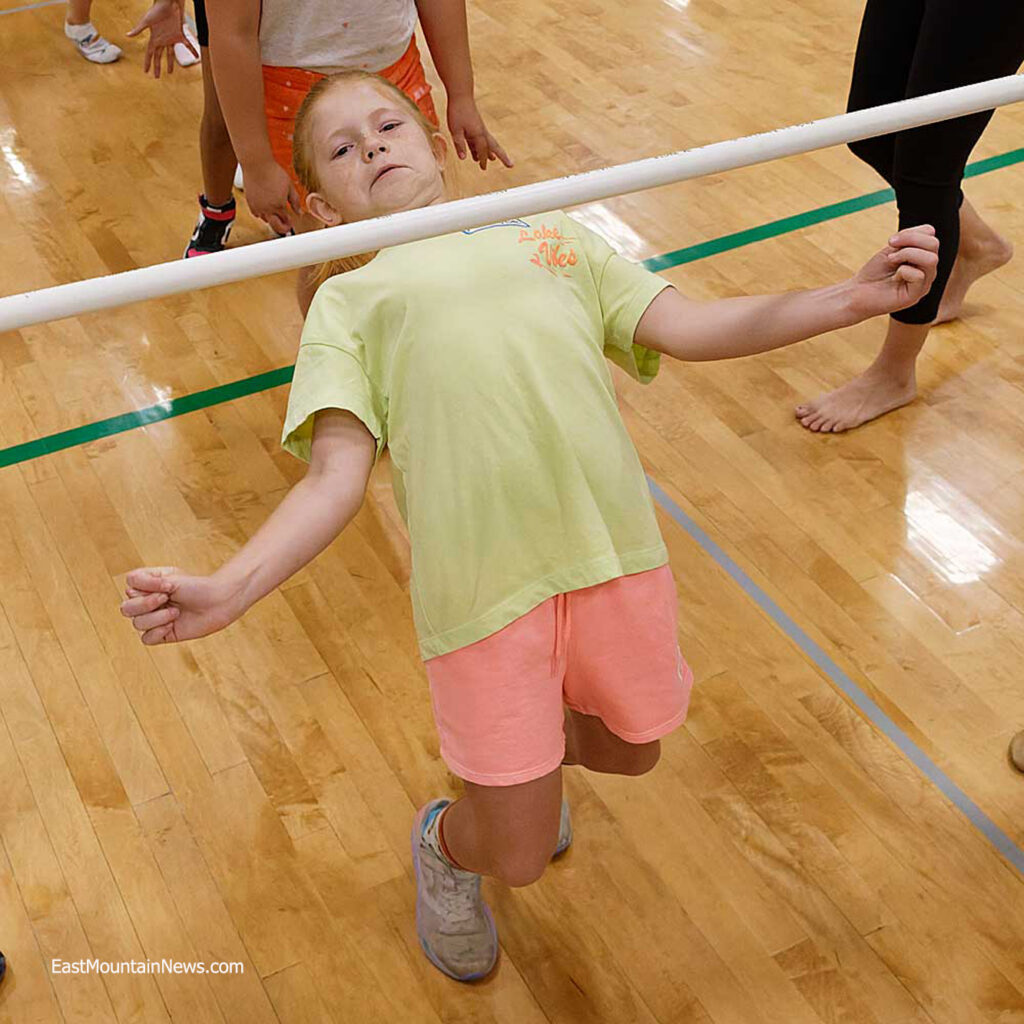
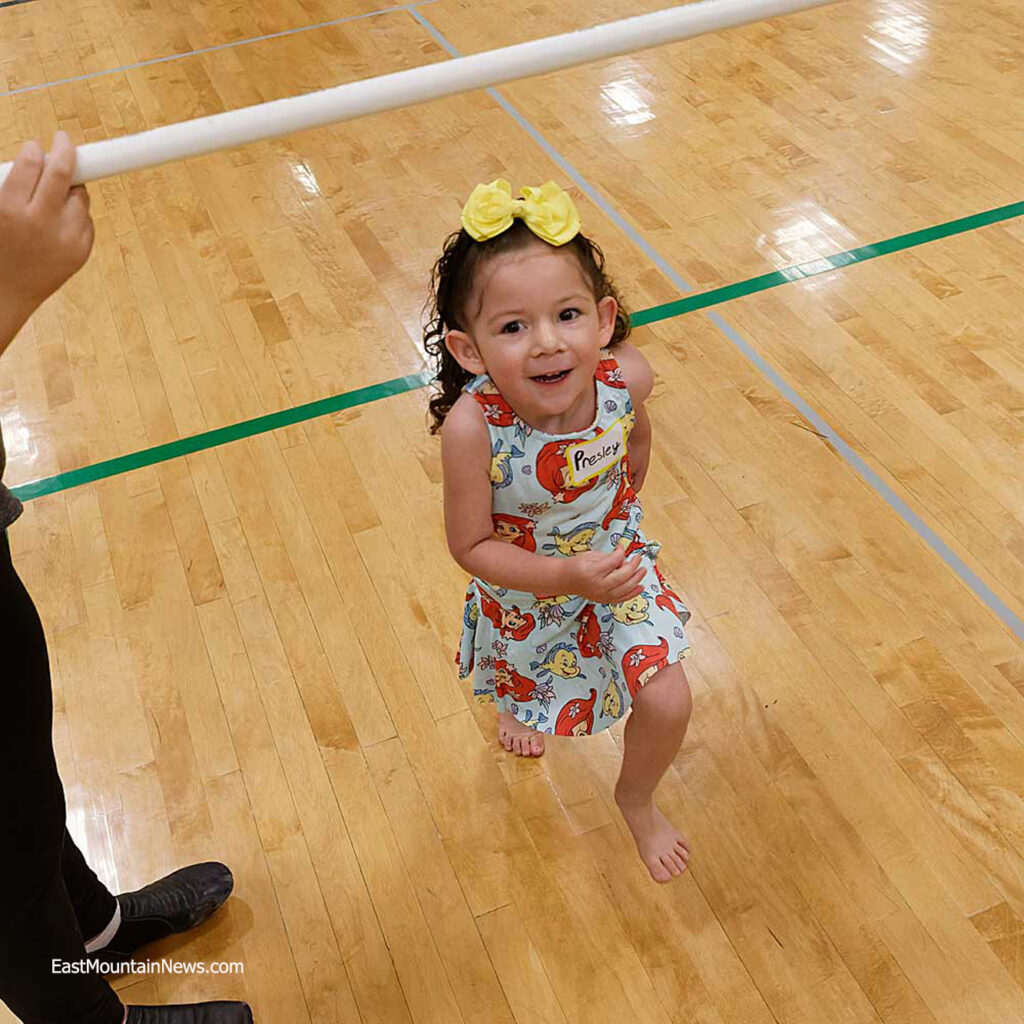
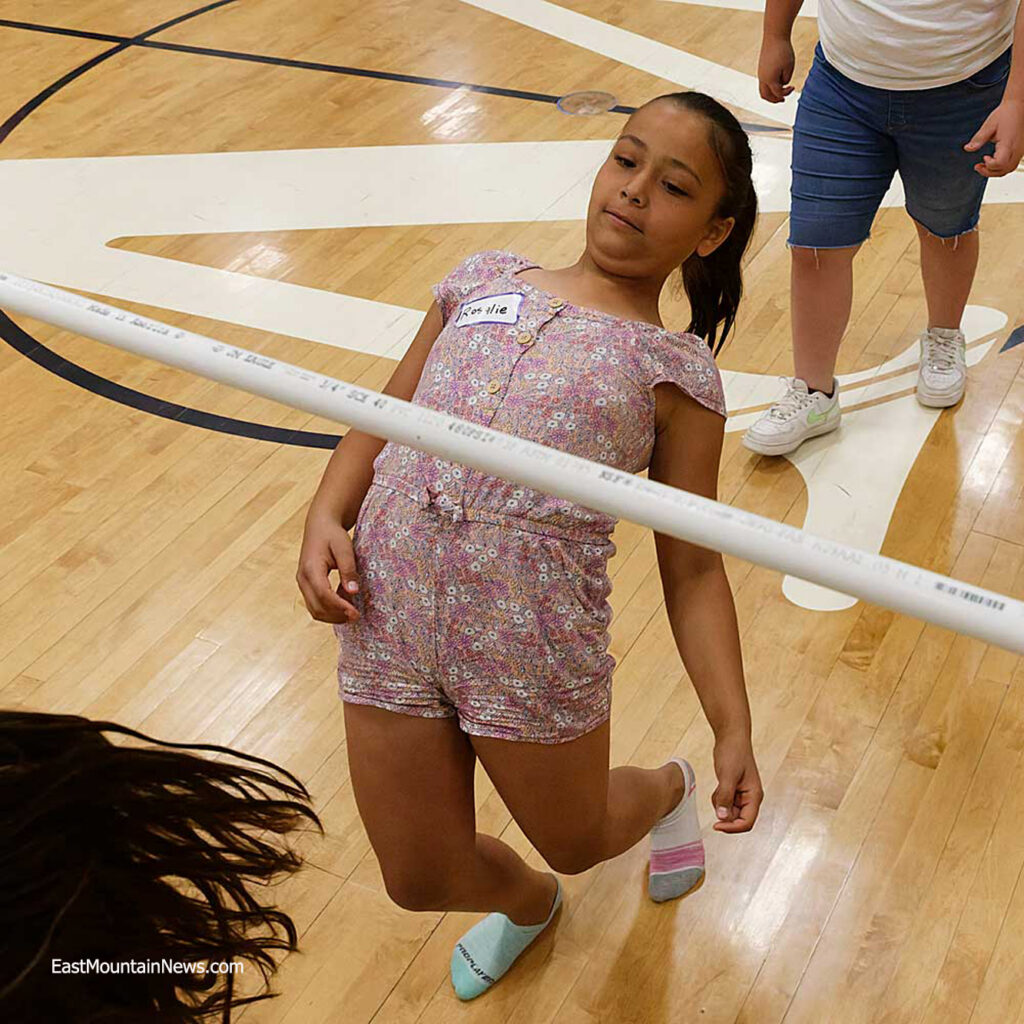
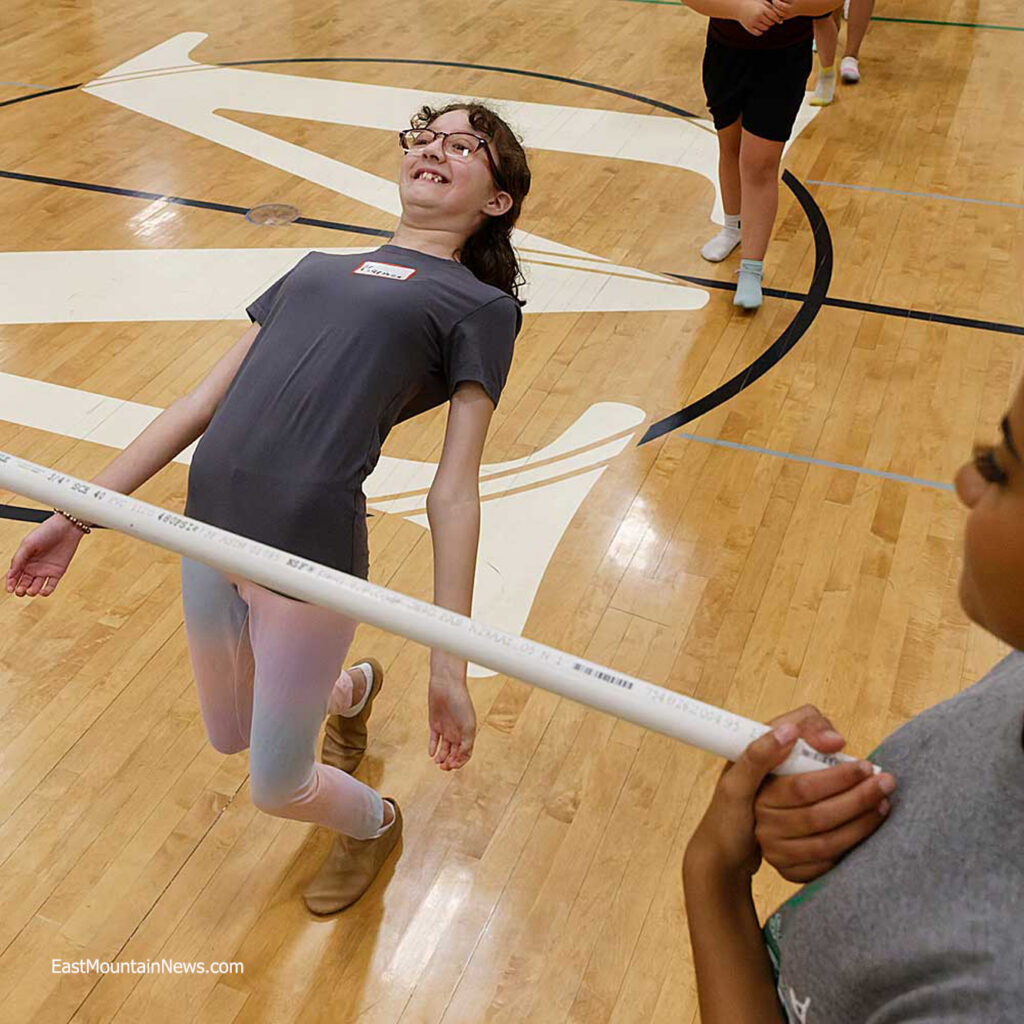
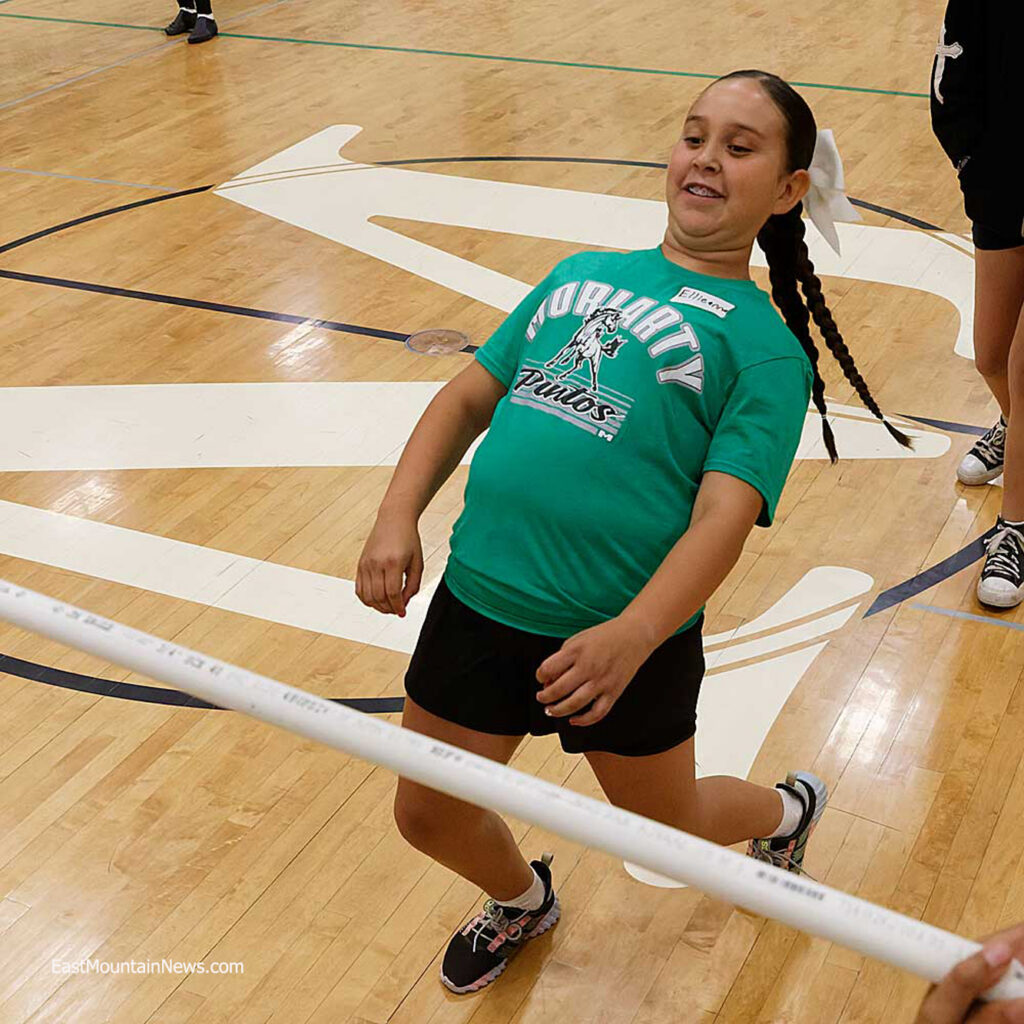
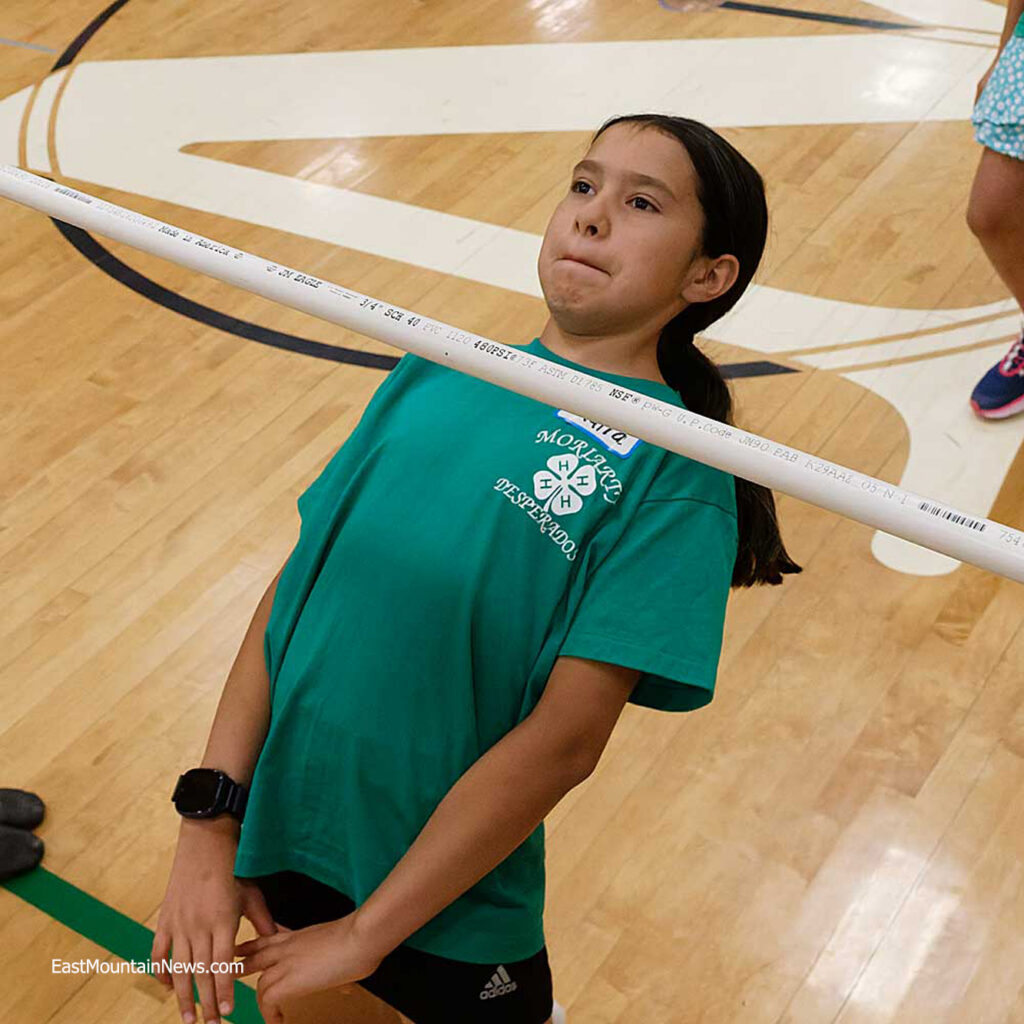
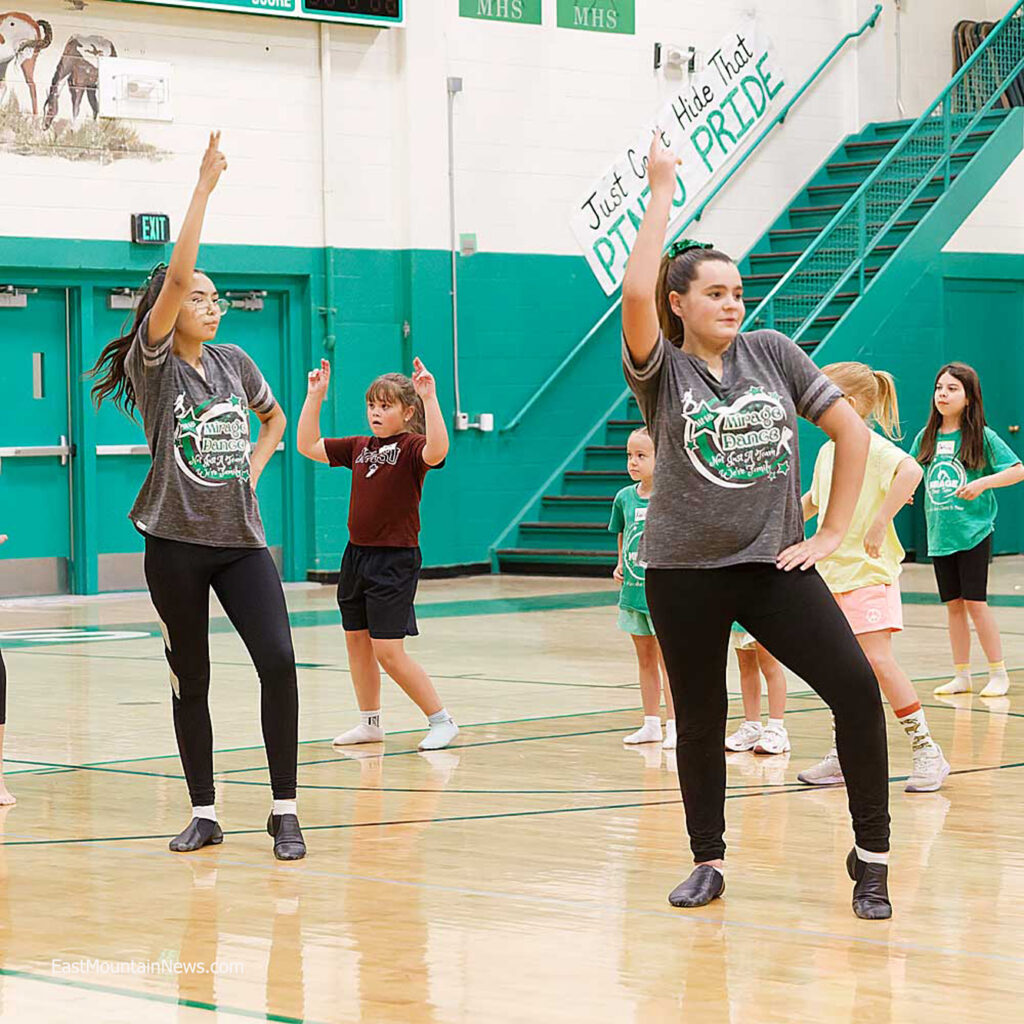
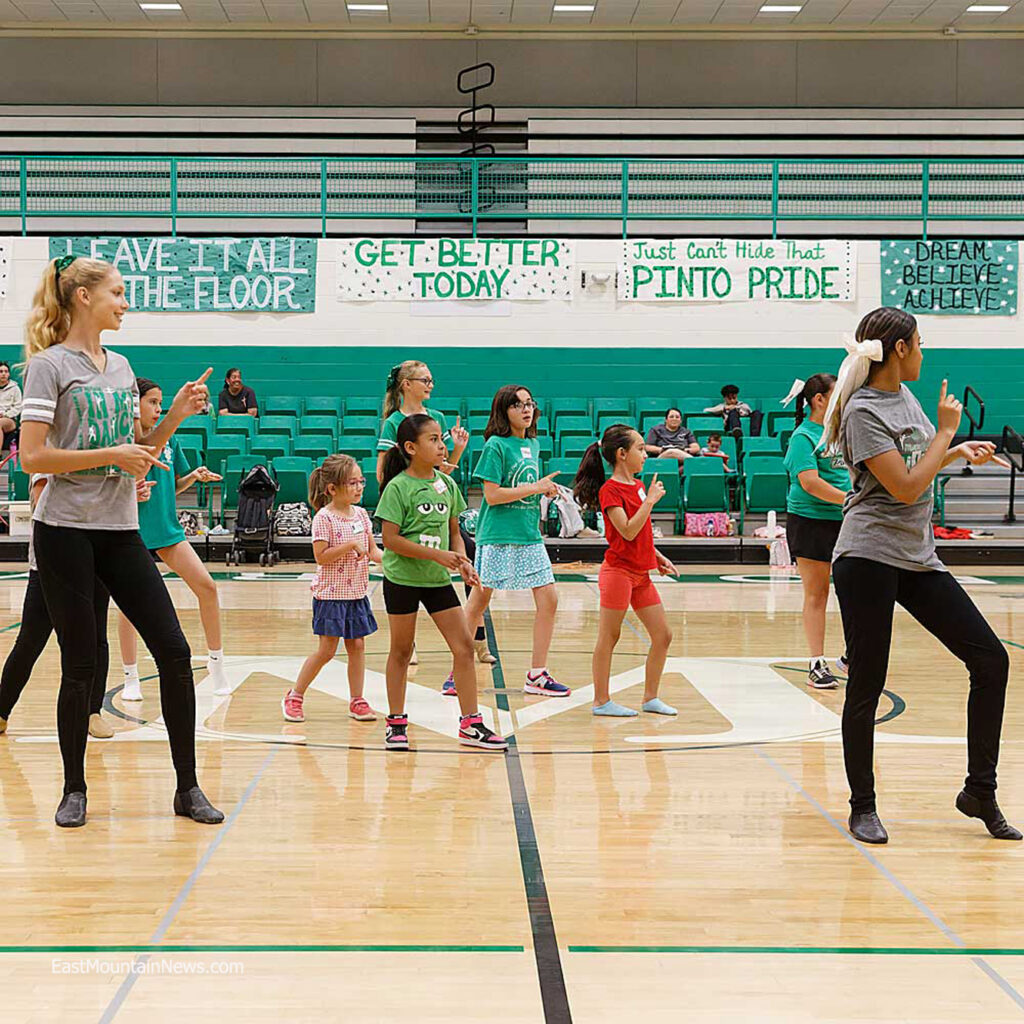
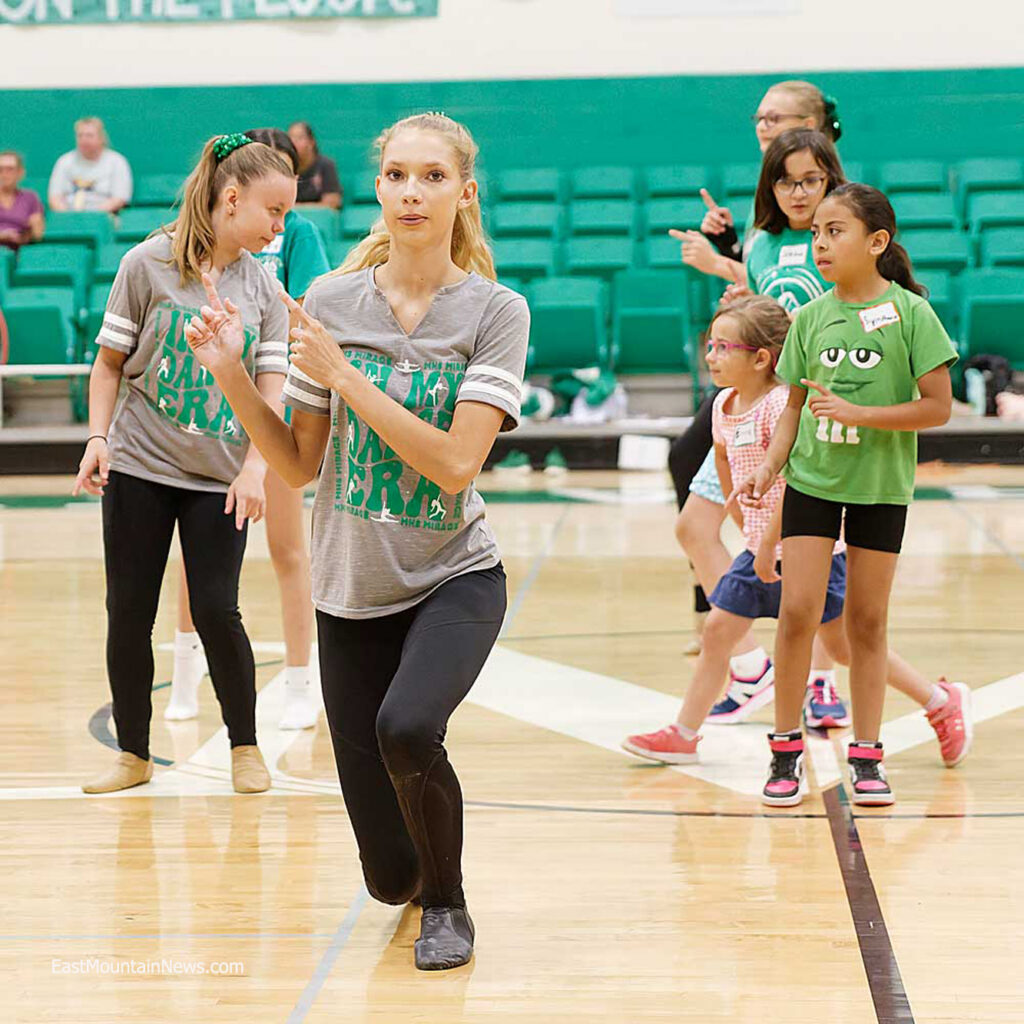
To combat that trend, Chavez uses the Moriarty Mirage Dance Team’s annual youth dance camp—running Monday through Wednesday this week—as a high-stakes training ground for both local children and her own varsity athletes.
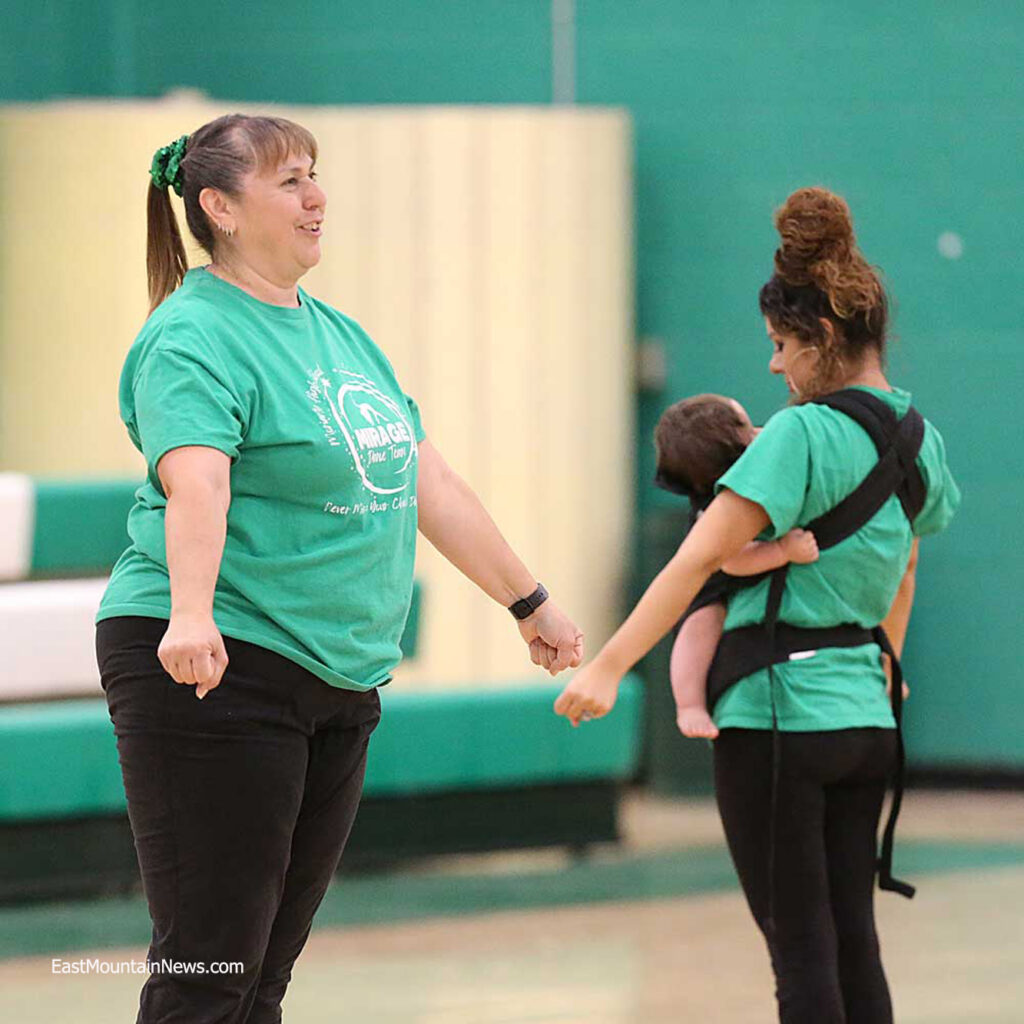
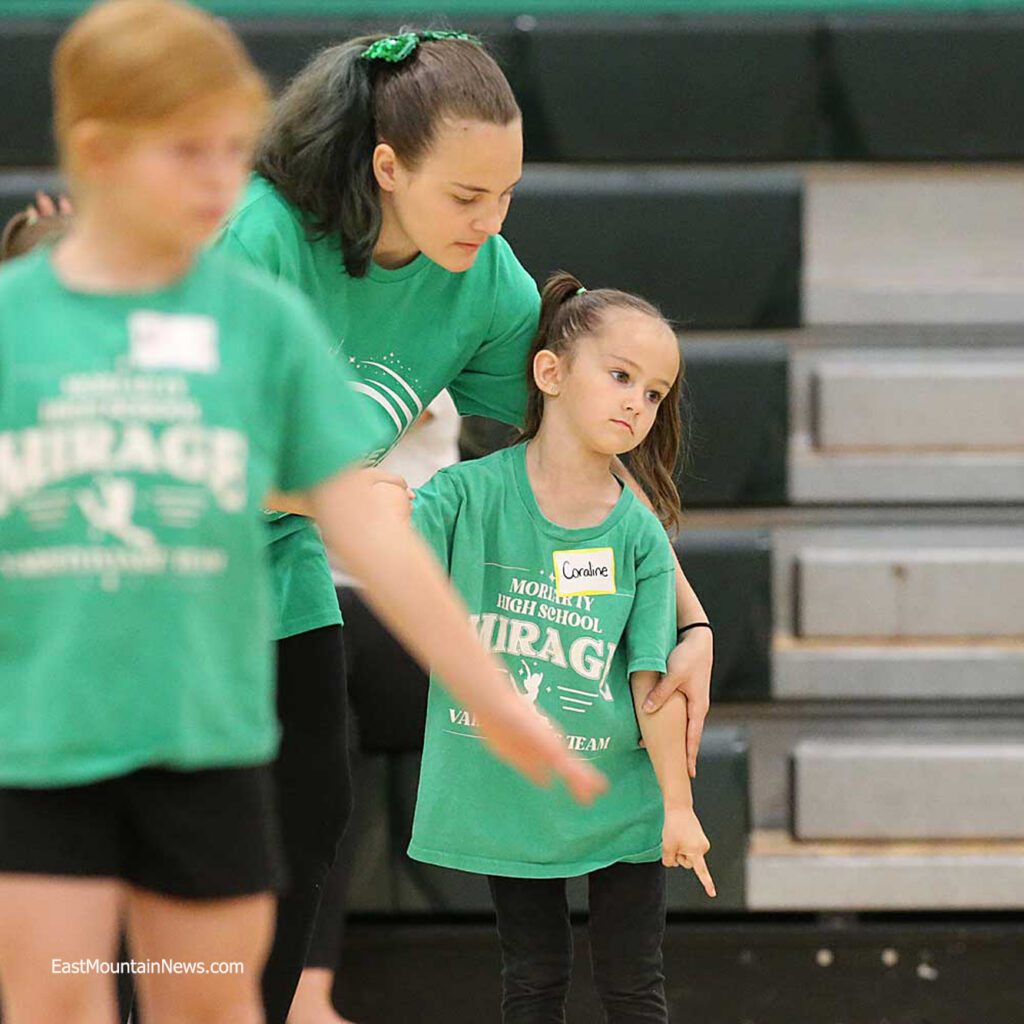
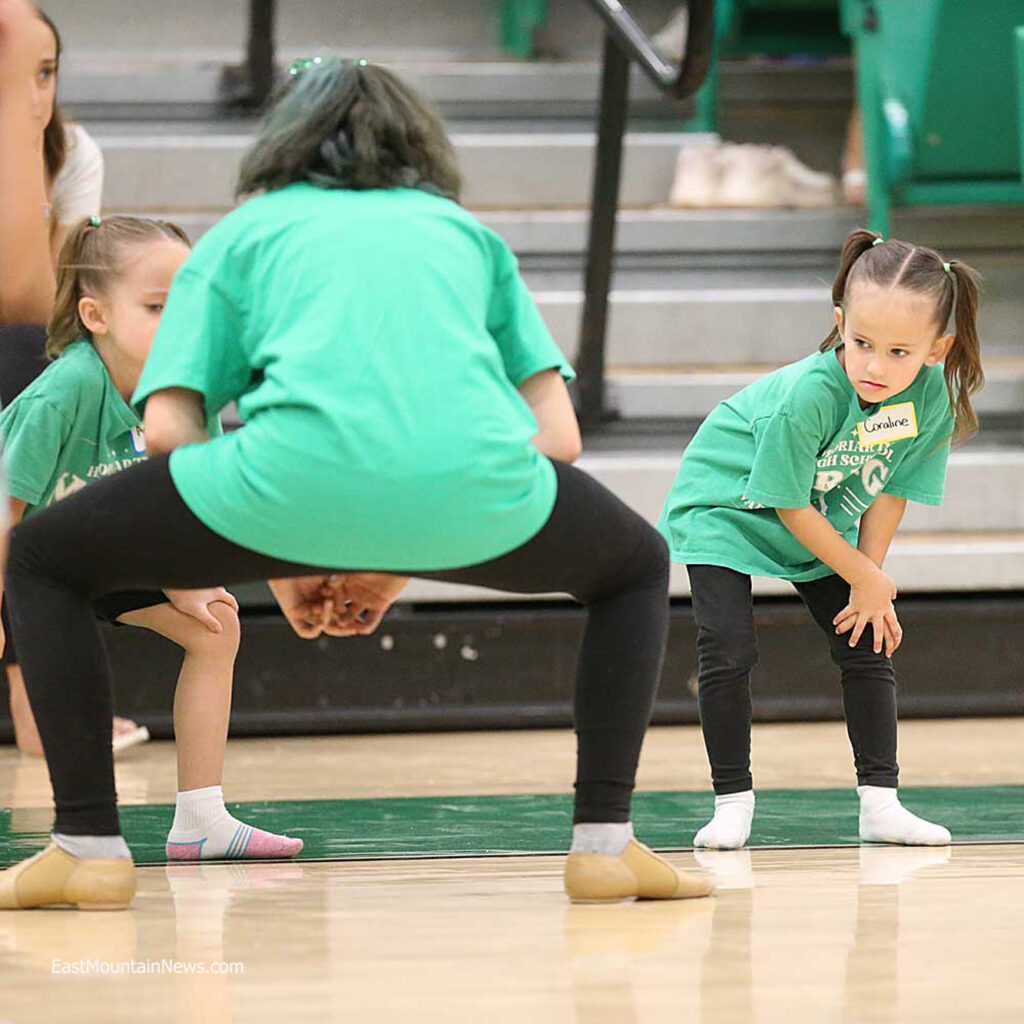
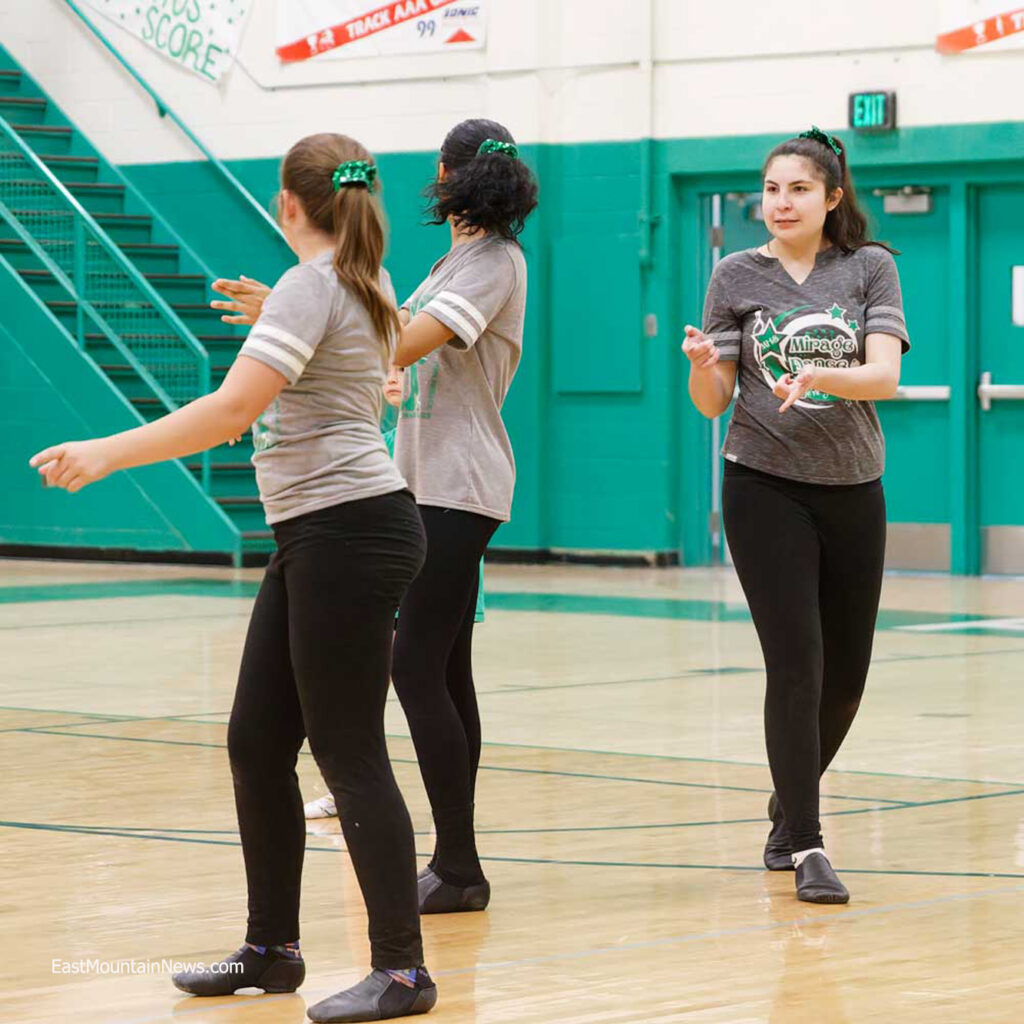
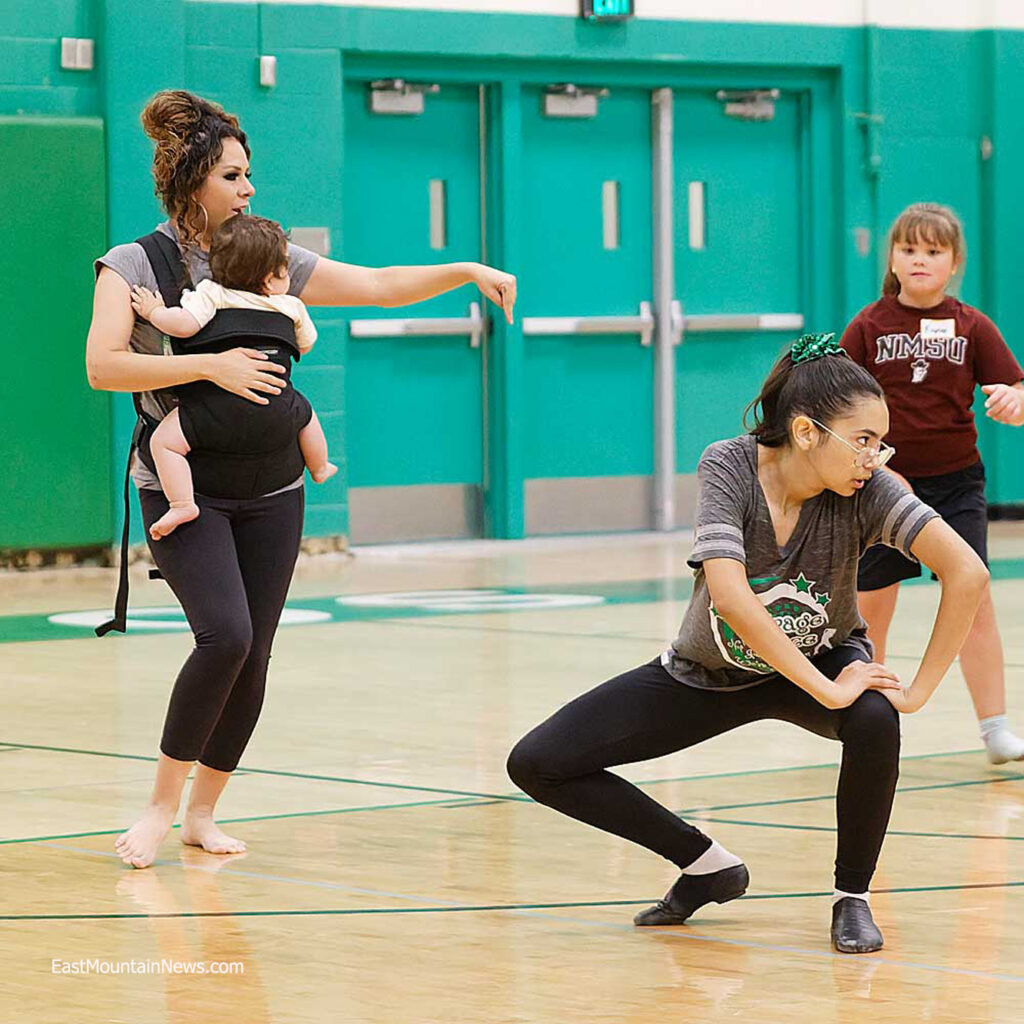
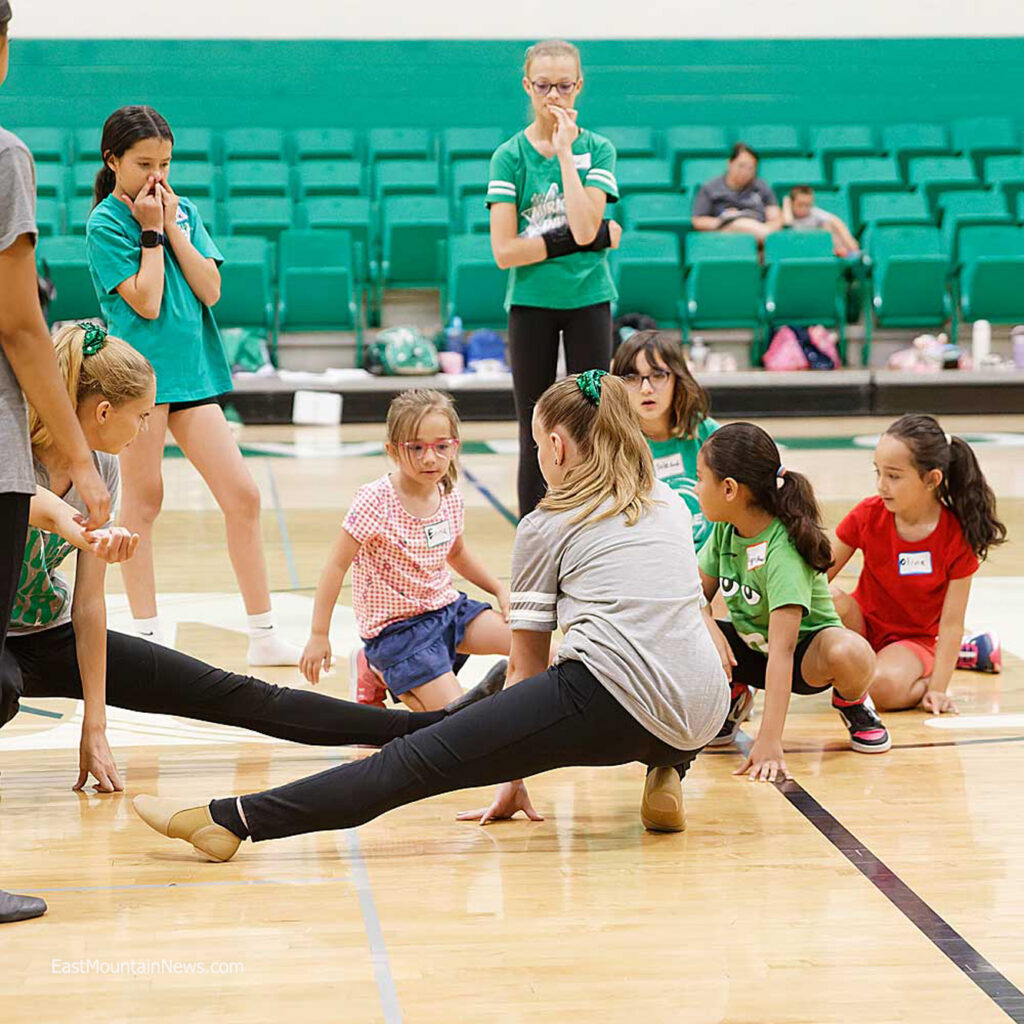
“They have these young ones who are looking up to them that they can really engage with,” Chavez said. “It helps them take ownership of their team and what they already know how to do, to be able to share that with somebody else.”
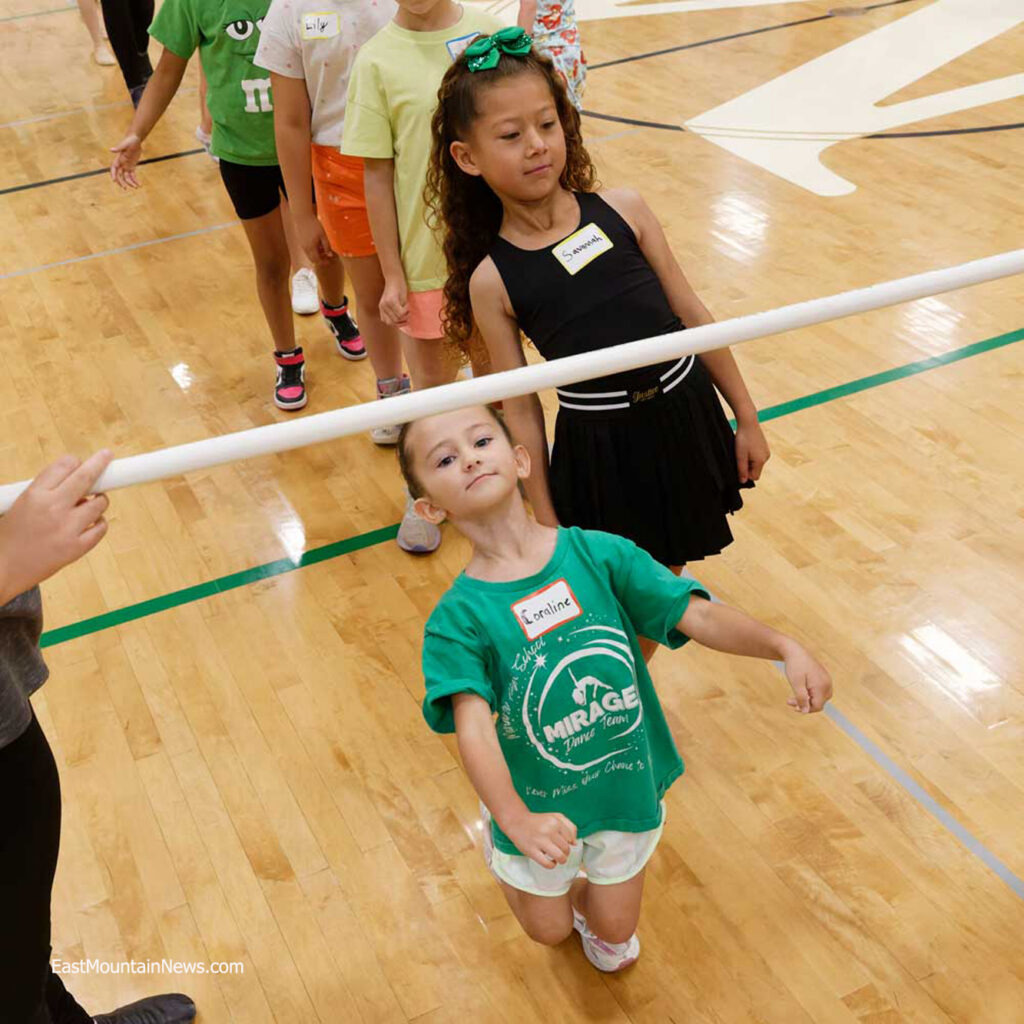
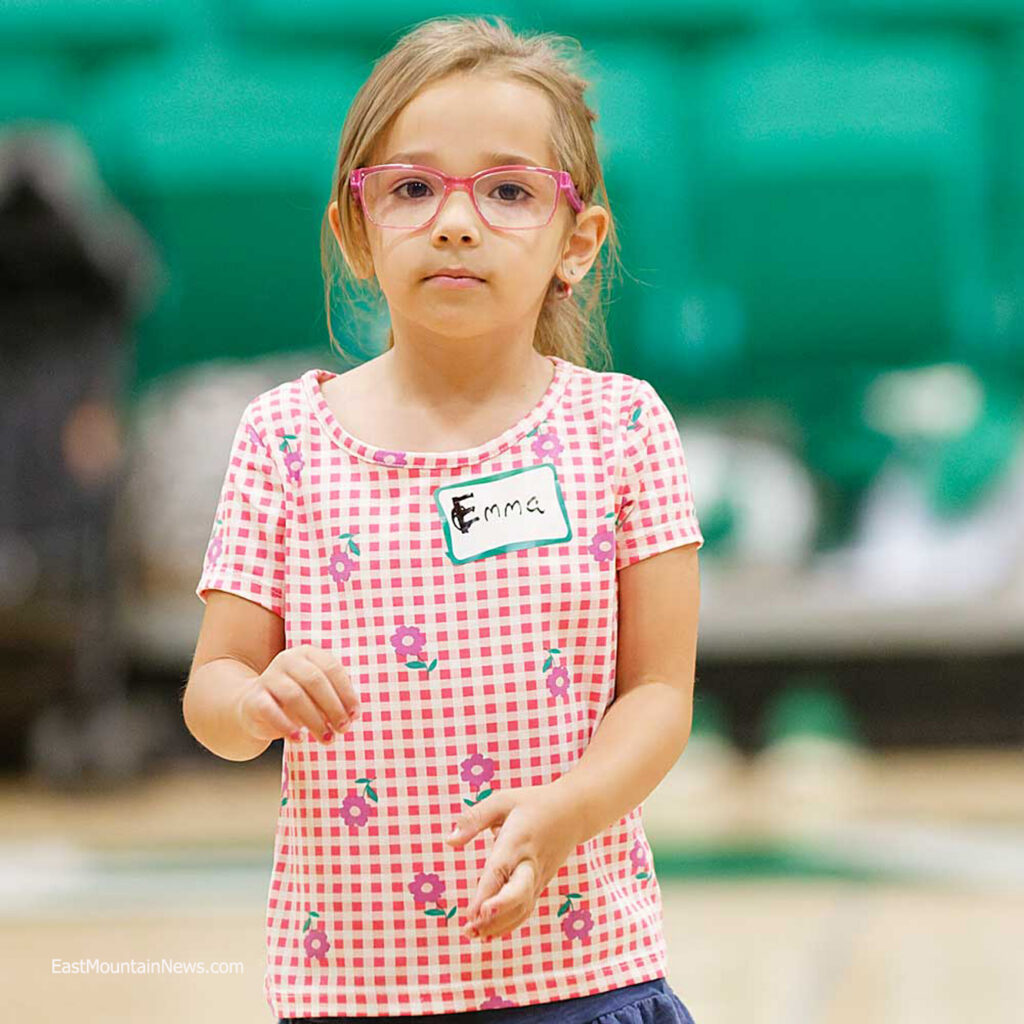
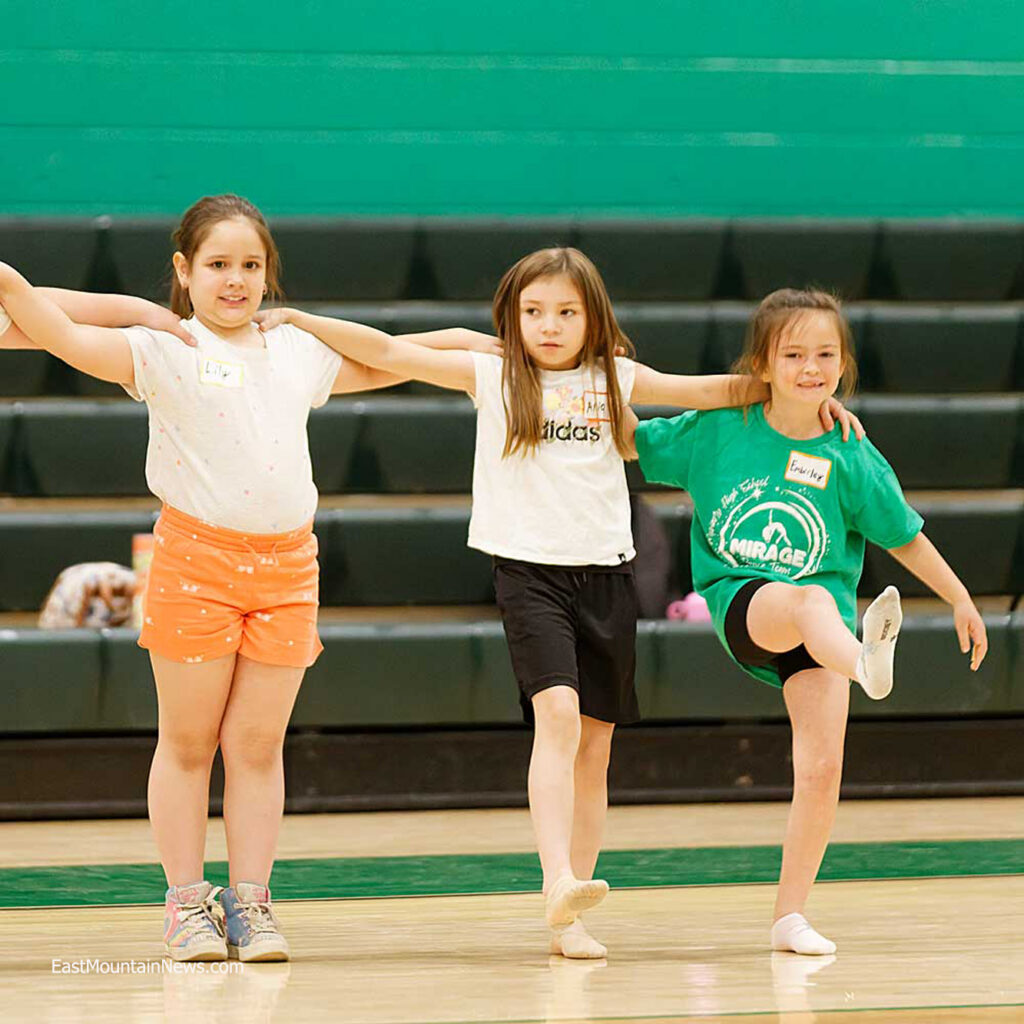
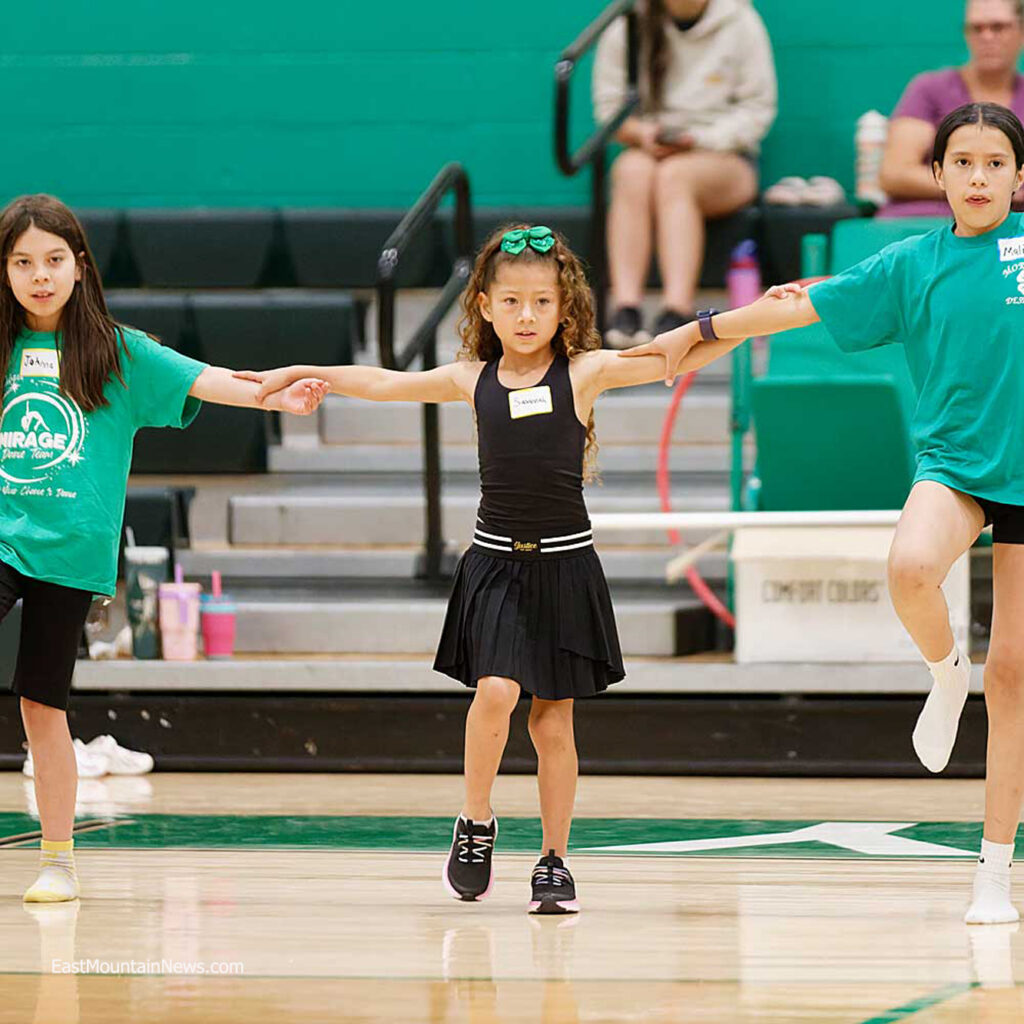
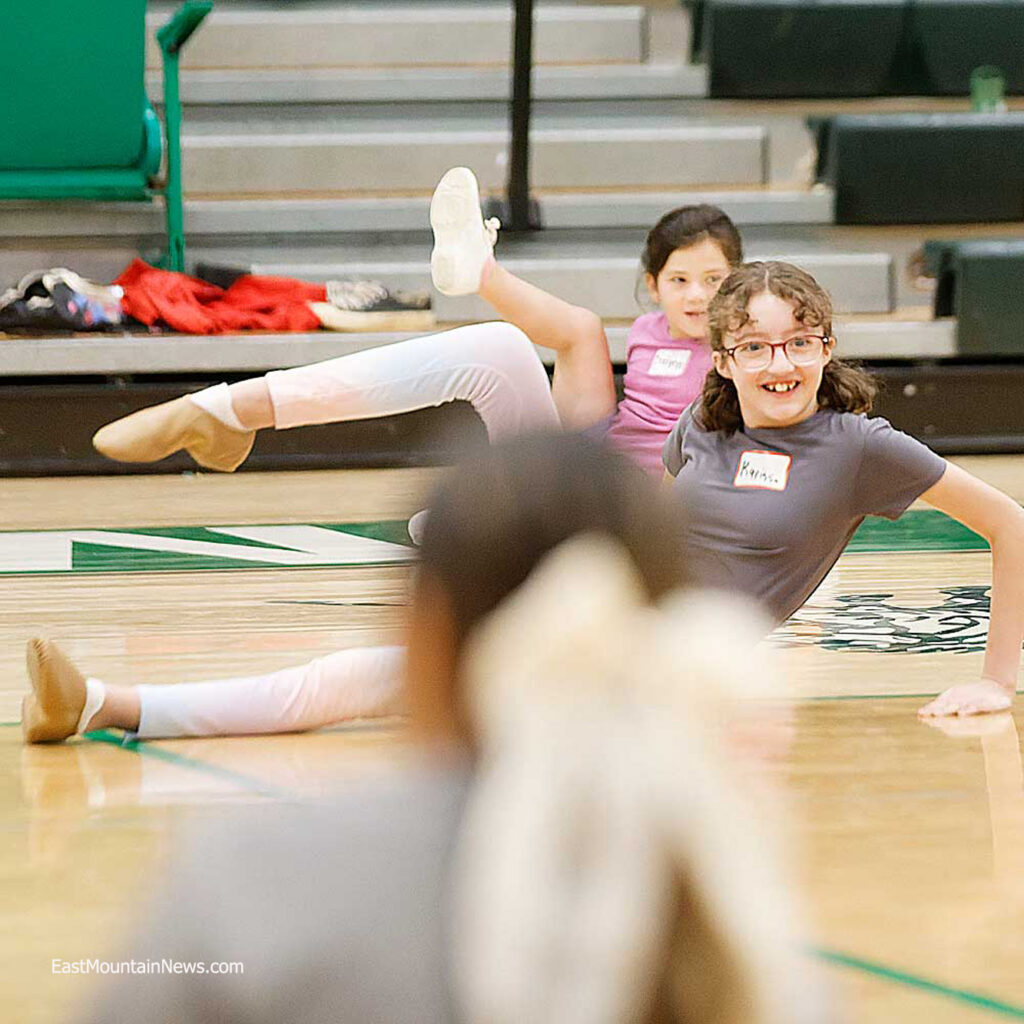
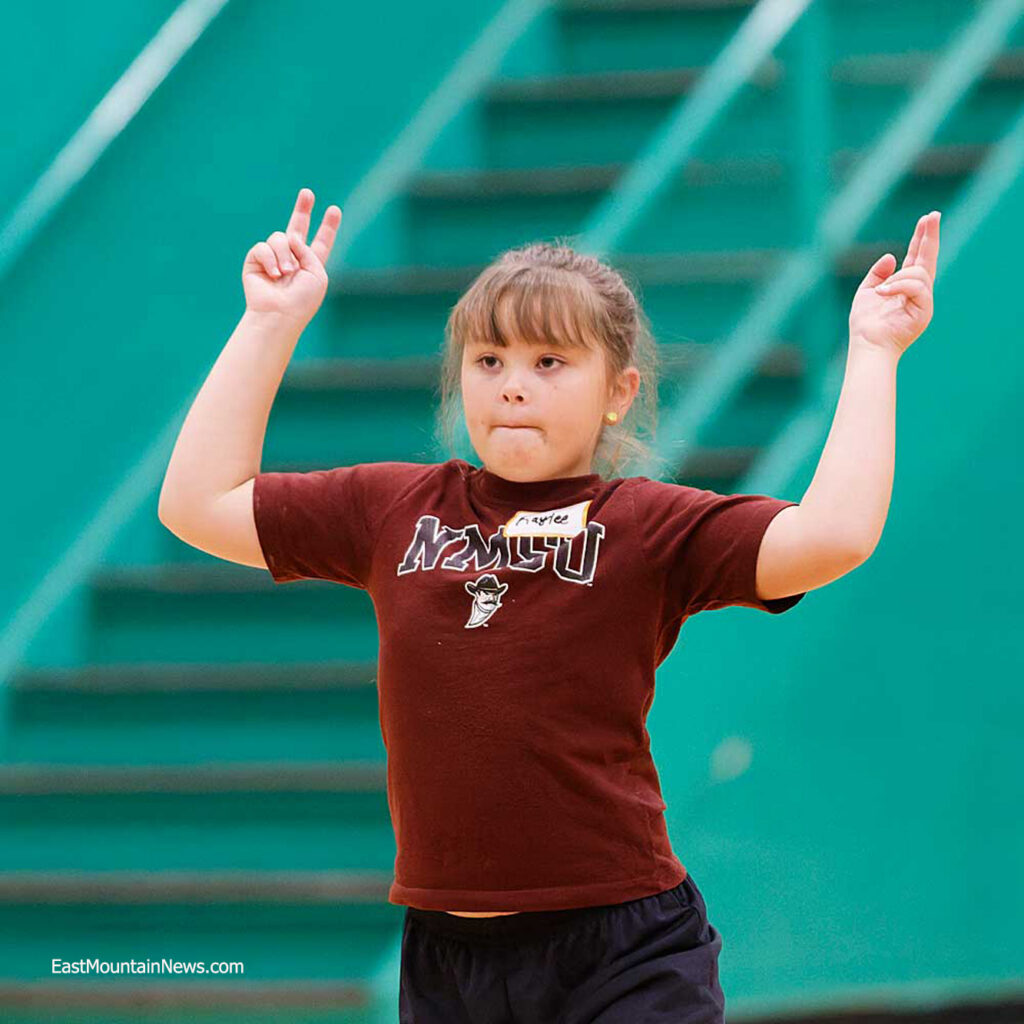
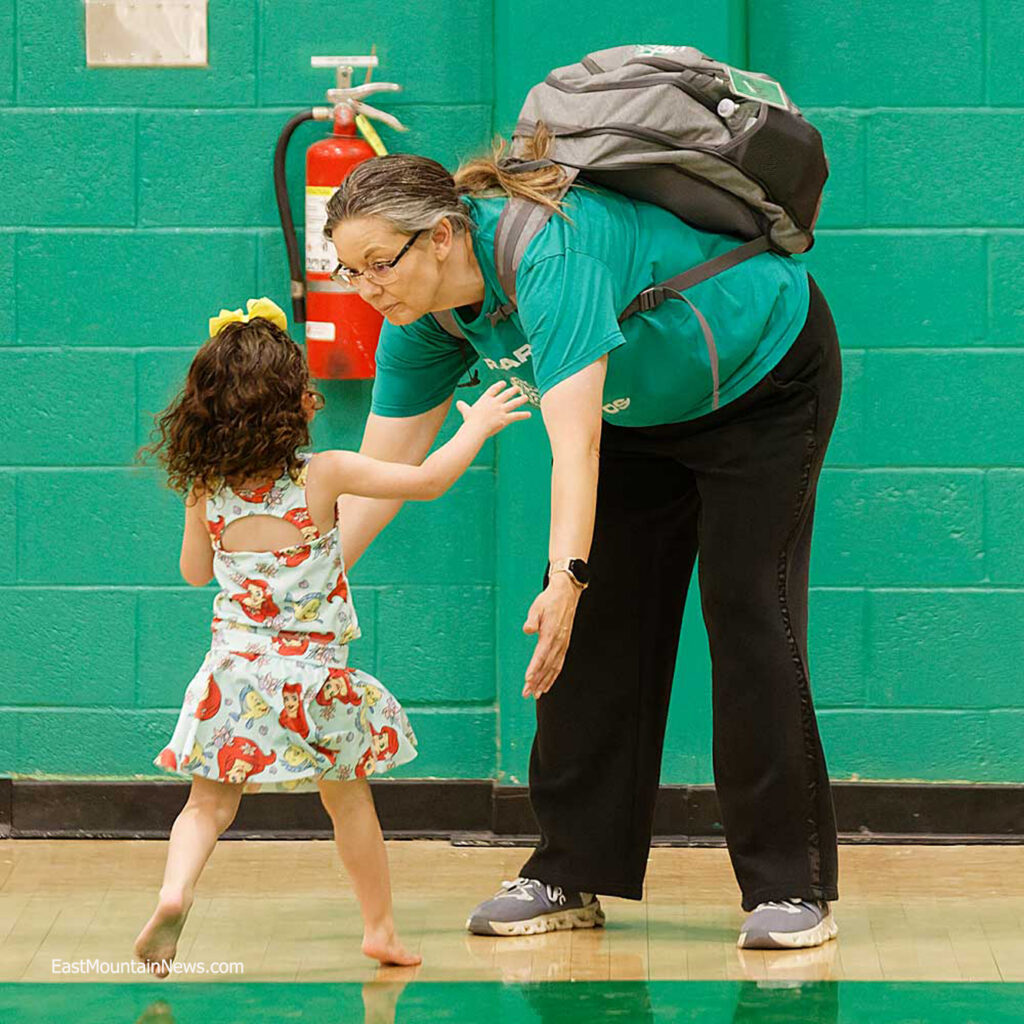
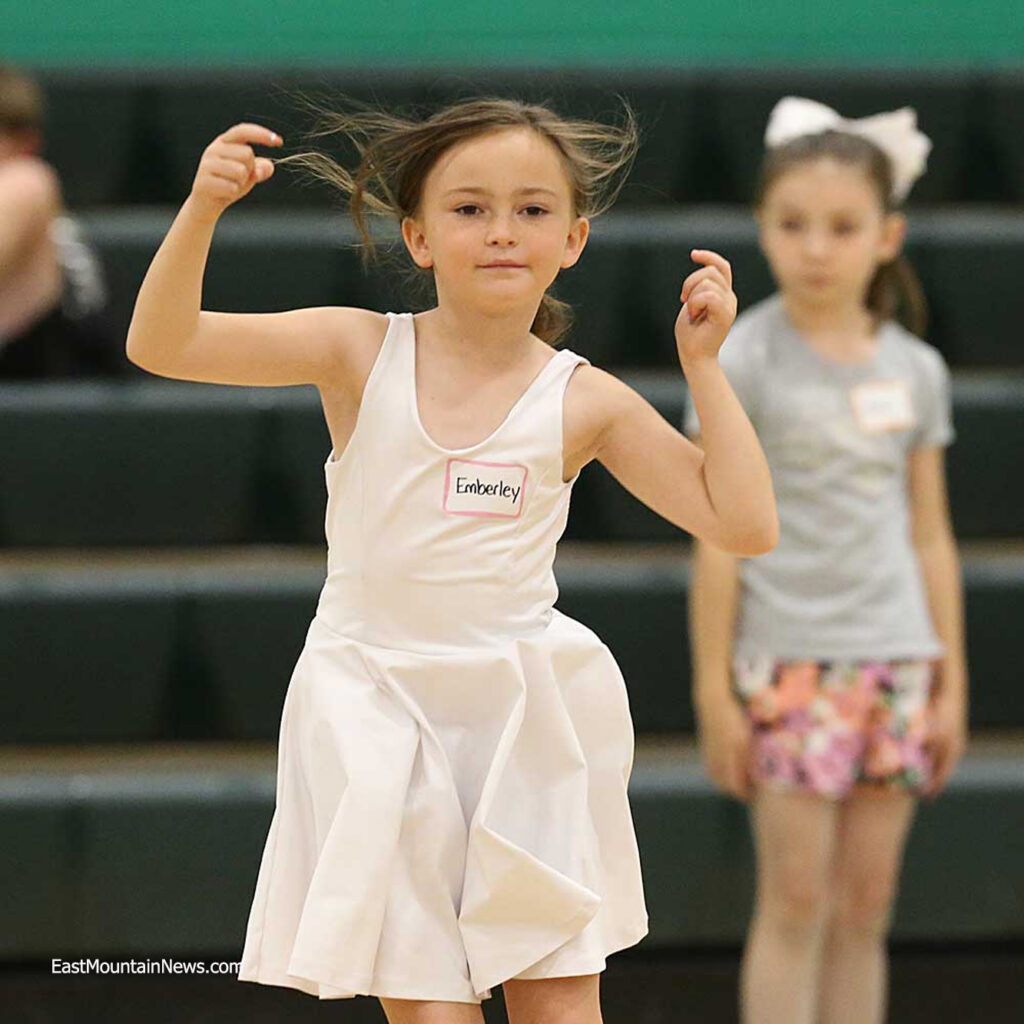
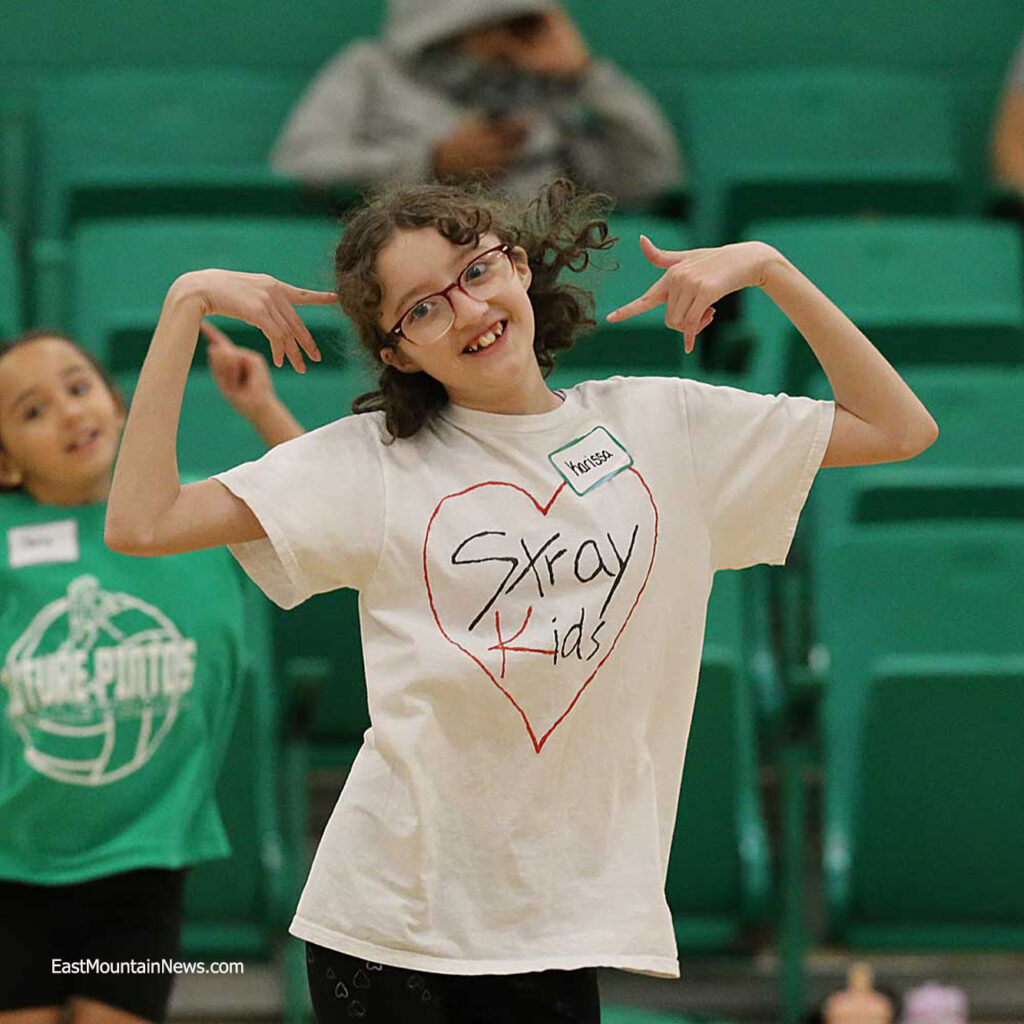
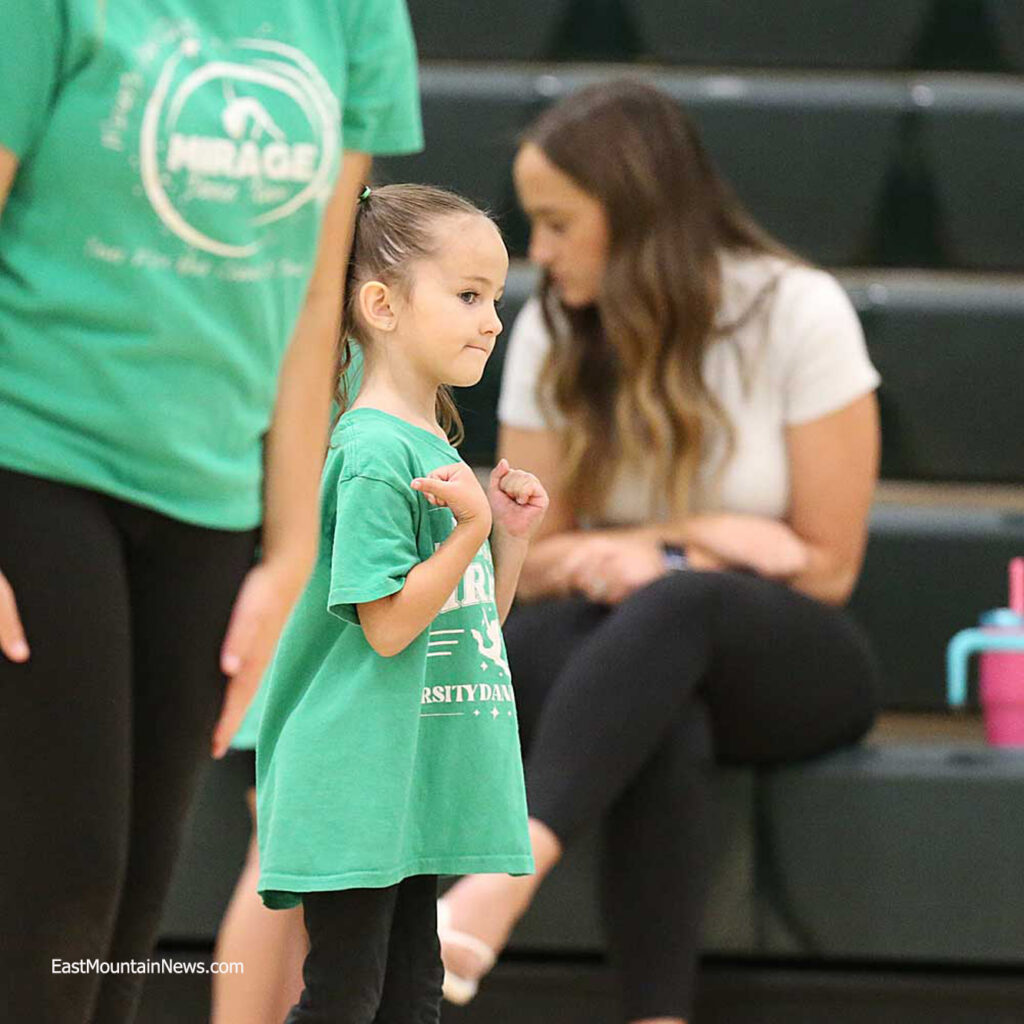
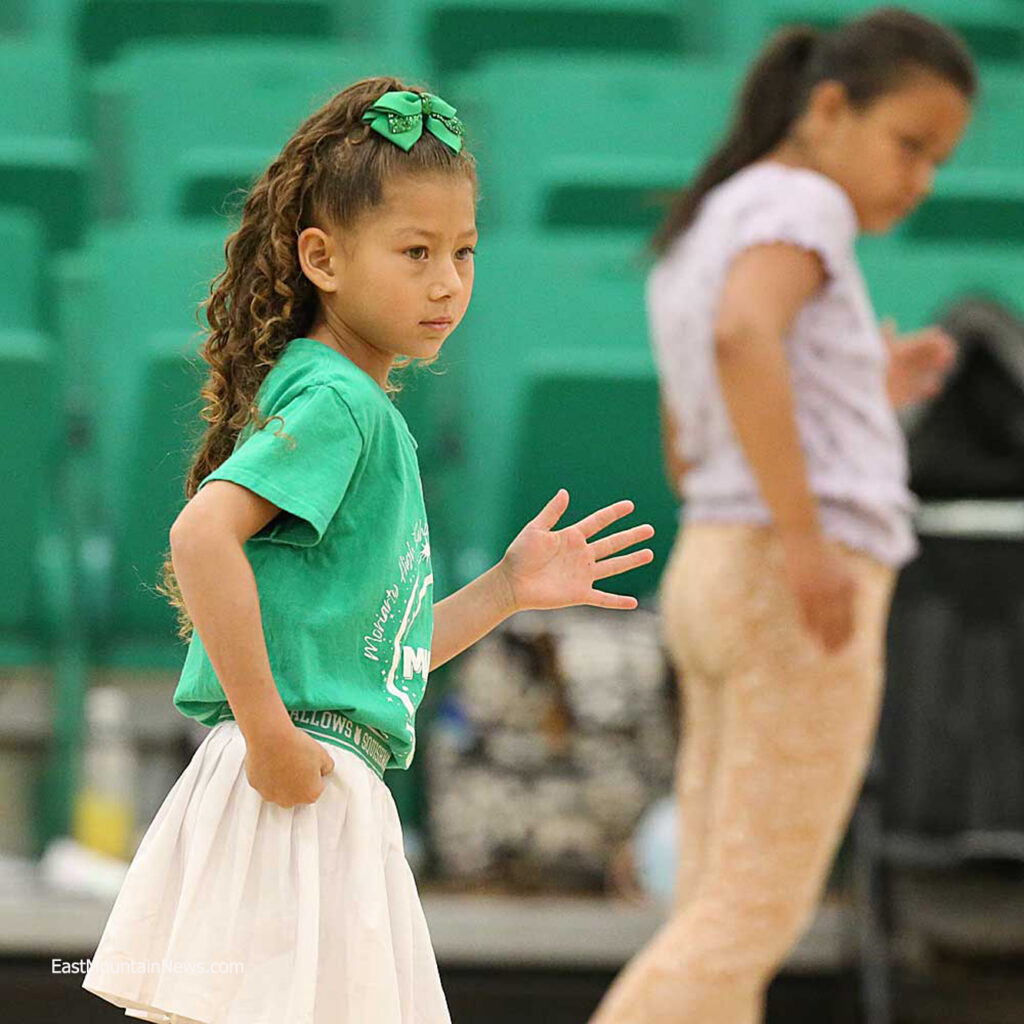
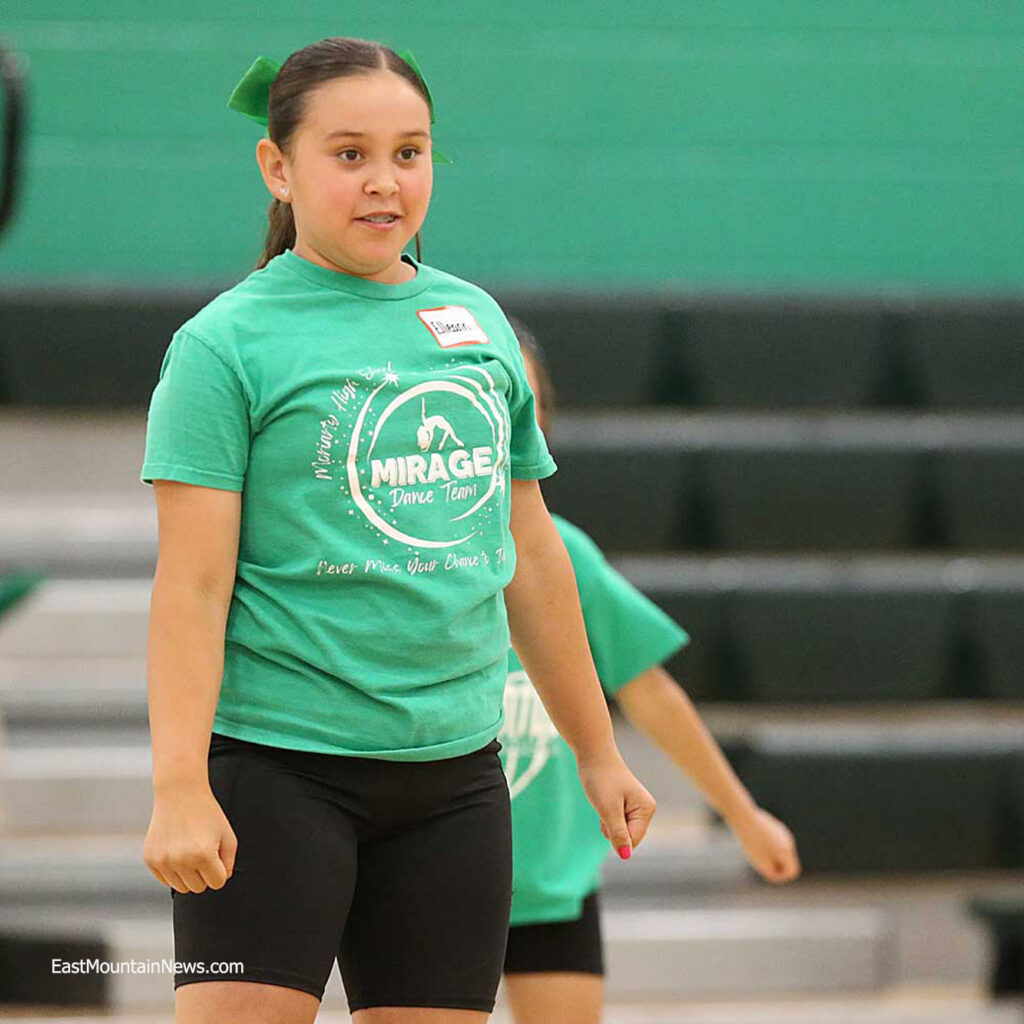
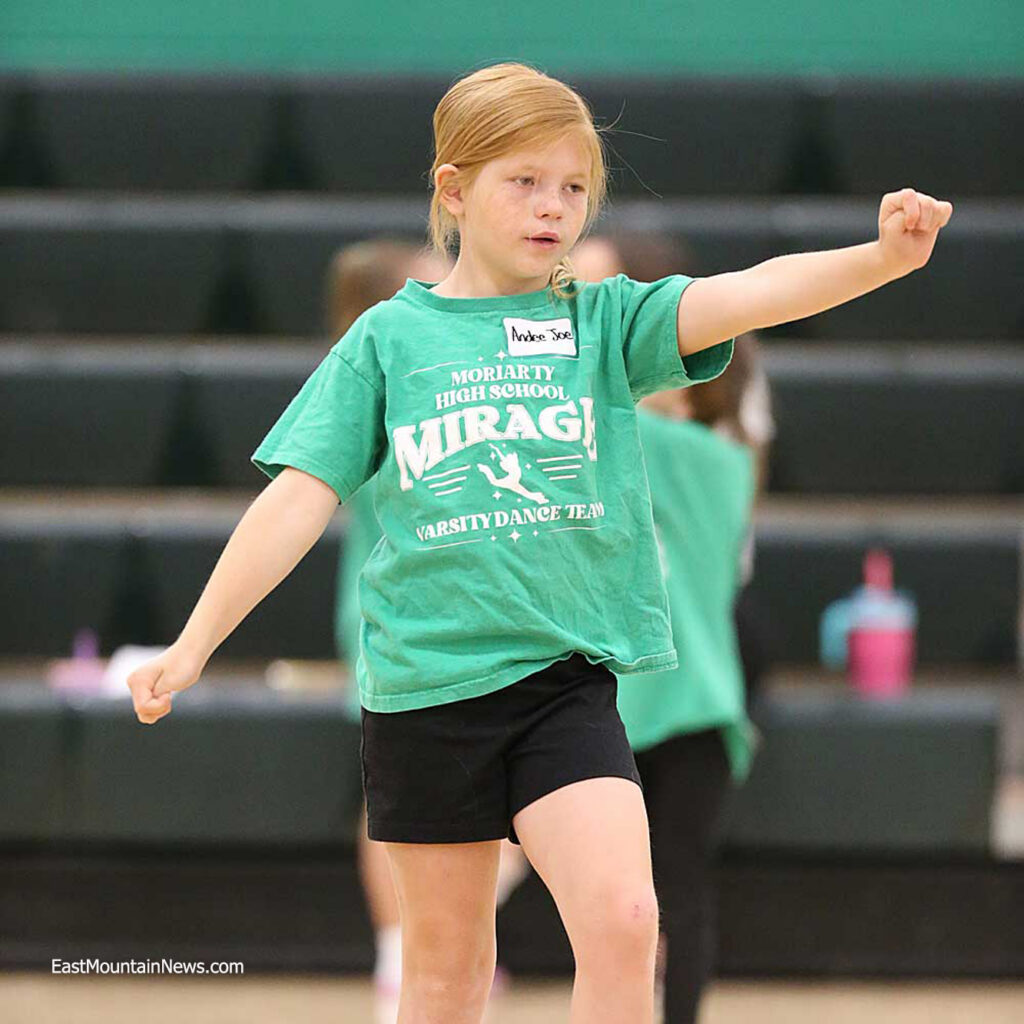
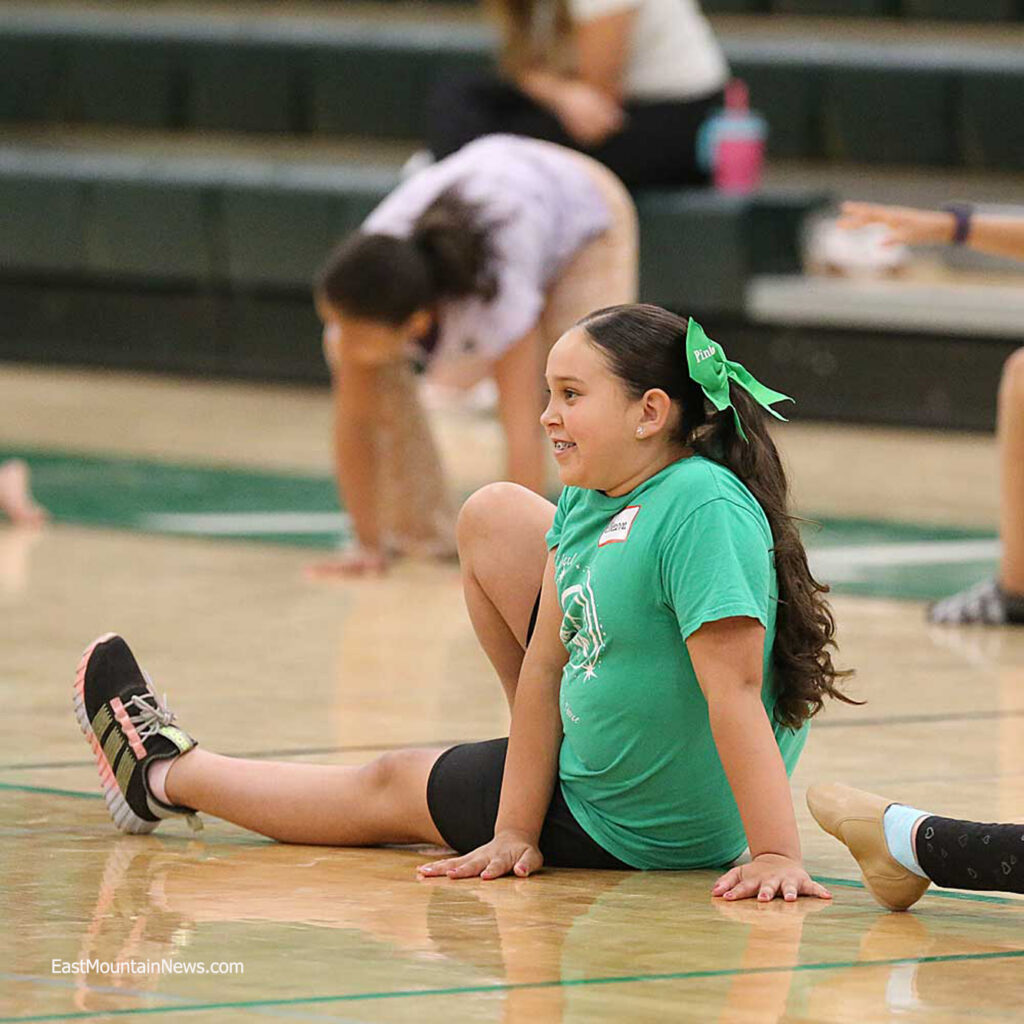
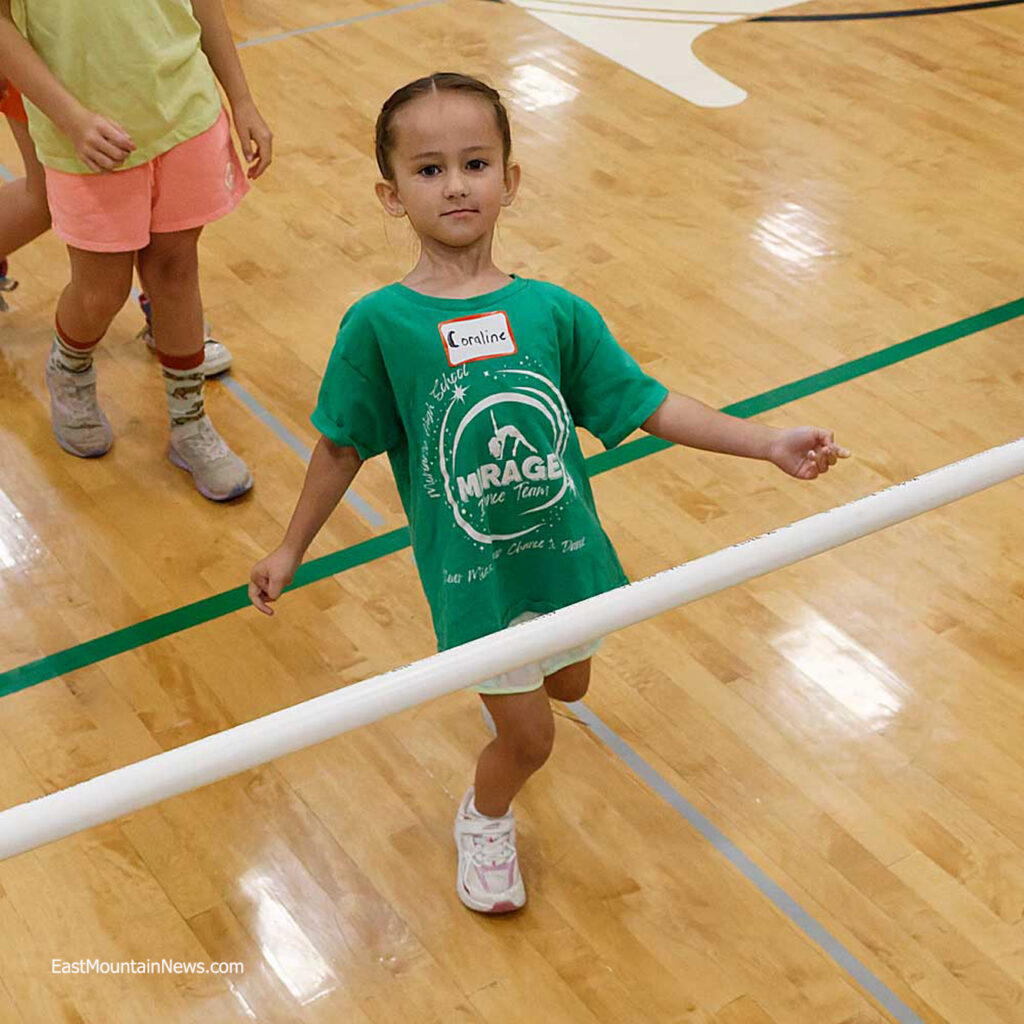
The three-day clinic brings together campers ranging from pre-K through eighth grade to learn an entire performance routine in a compressed timeline. While traditional sports camps focus on repetitive individual drills, the Mirage camp requires a collective end result: a synchronized showcase where performance value is just as critical as athleticism.
“We go fast and furious,” Chavez said. “Basketball players don’t have to smile—it’s not part of it. For us, we have the athletic portion, but we also have the performance value. The most fun ones to watch are the ones who are just smiling and having a good time out there, not overthinking.”
That emphasis on visual confidence is designed to build self-esteem from scratch, an element Chavez considers the most vital metric of her program’s success. Because many local dancers join the high school squad without formal studio training, the youth camps serve as their introduction to the sport.
“If they build their self-esteem, and by the end of their freshman year they actually have that confidence and trust in themselves—to me, that’s the good stuff,” Chavez said. “When we have girls who don’t even want to talk and are embarrassed of everything, but they come out of their shell and are content with who they are, that’s the biggest thing.”
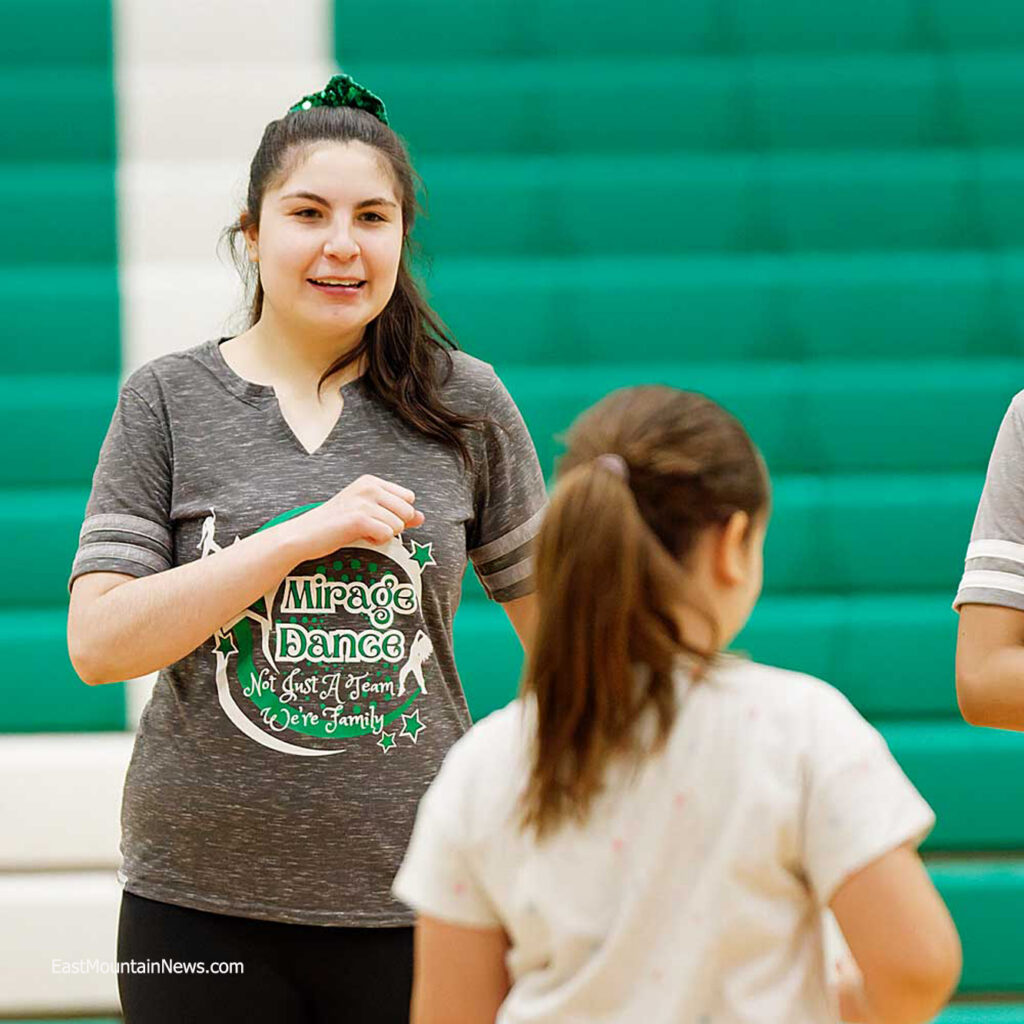
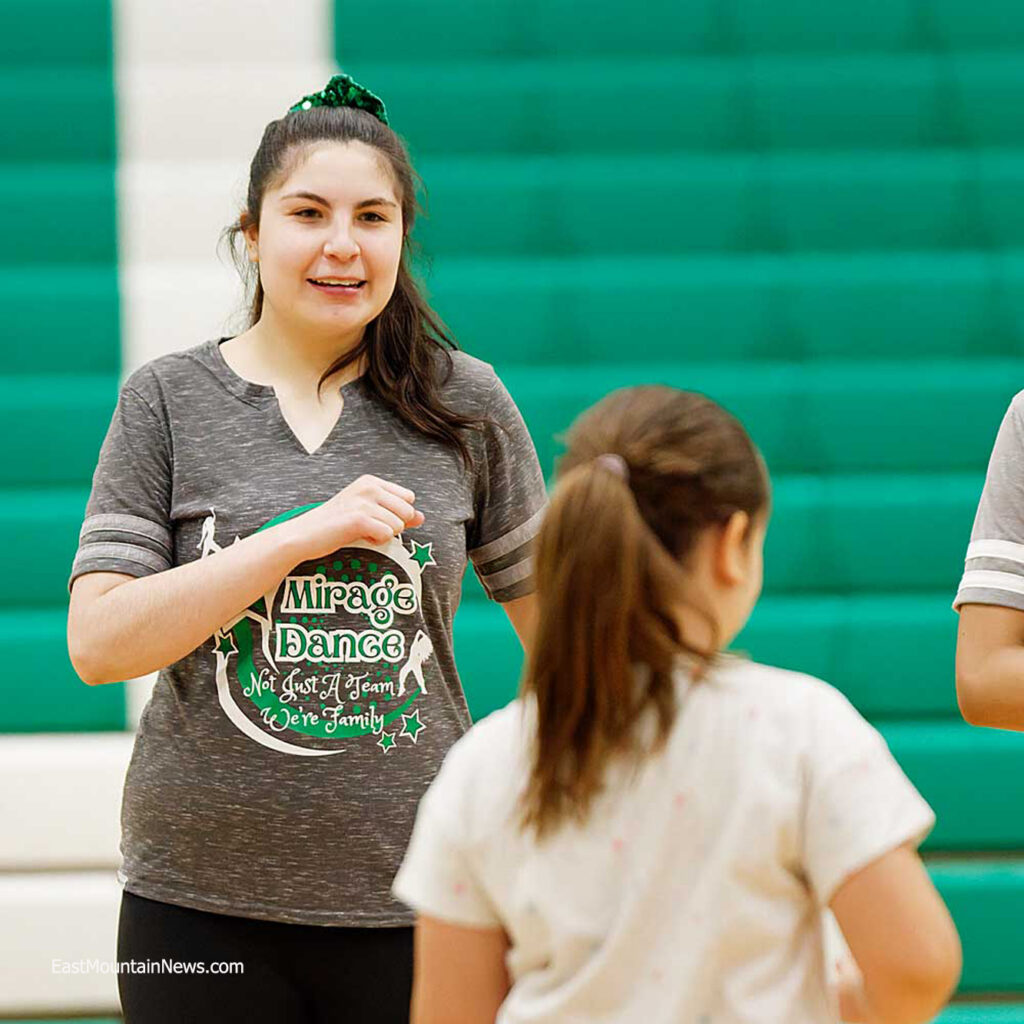
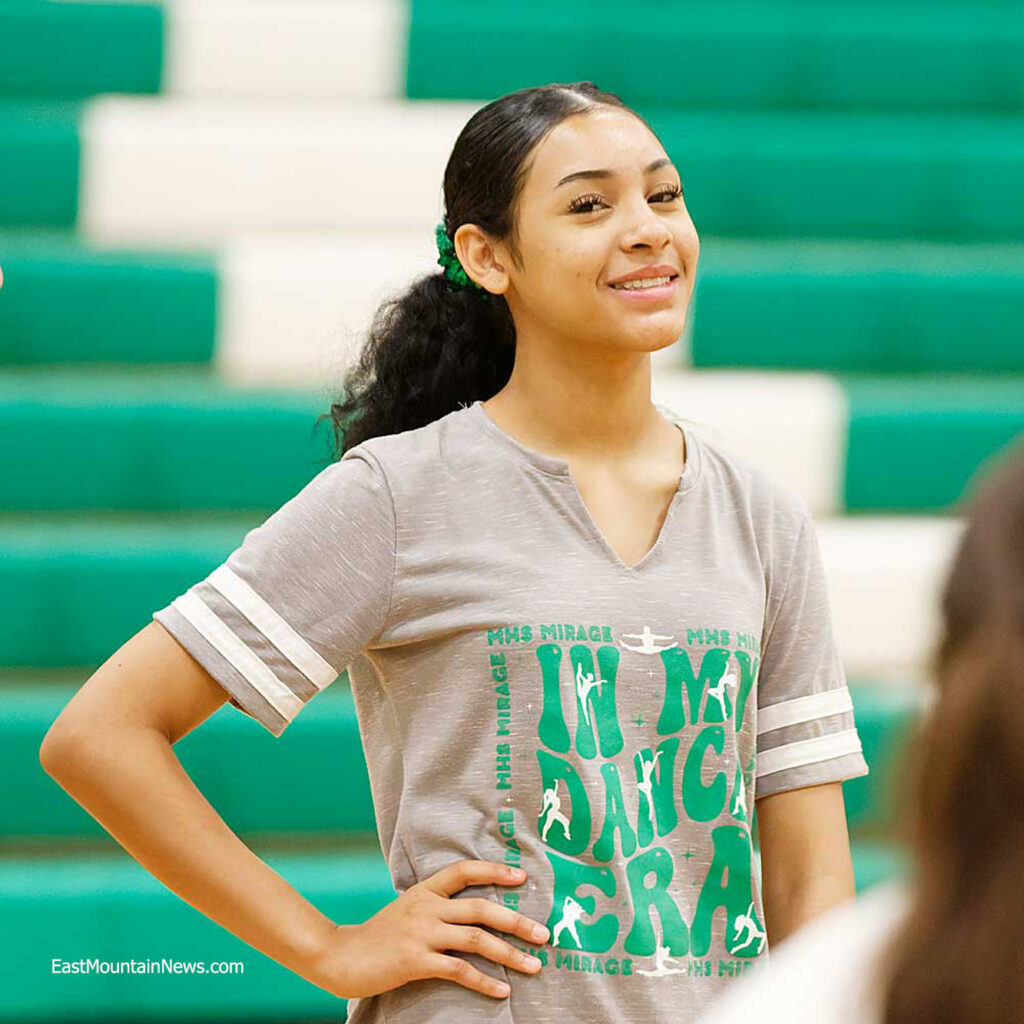
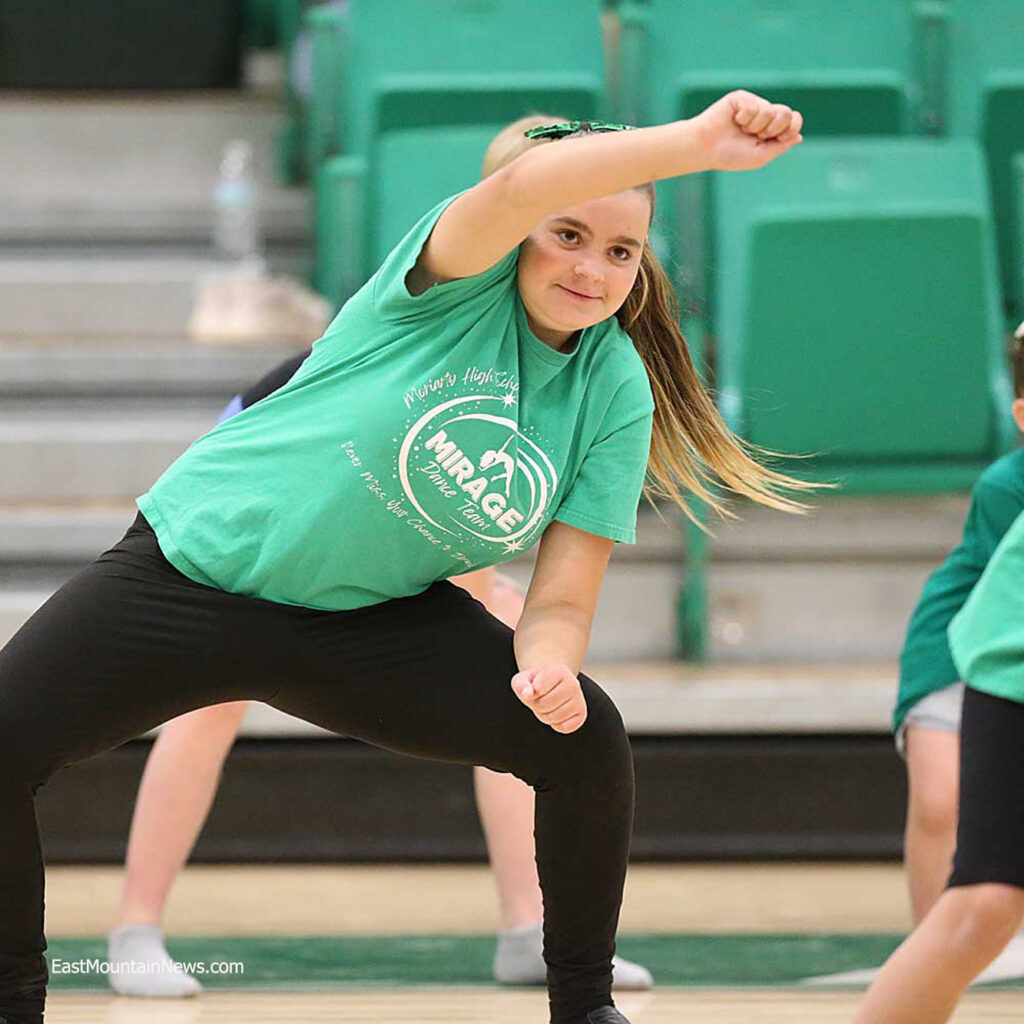
For senior leader Sydney Bibiano, a four-year veteran of the team, the experience is a complete evolution. Having attended the camp since early childhood, she now anchors the formations and guides the youngest participants through the choreography.
“I’ve been coming here since I was a little kid,” Bibiano said. “I thought I was just going to be a dancer—I didn’t think I was going to be leading anything. The hardest part is getting them all together in their formations… but the funnest thing is teaching them the routine and that moment when they get it.”
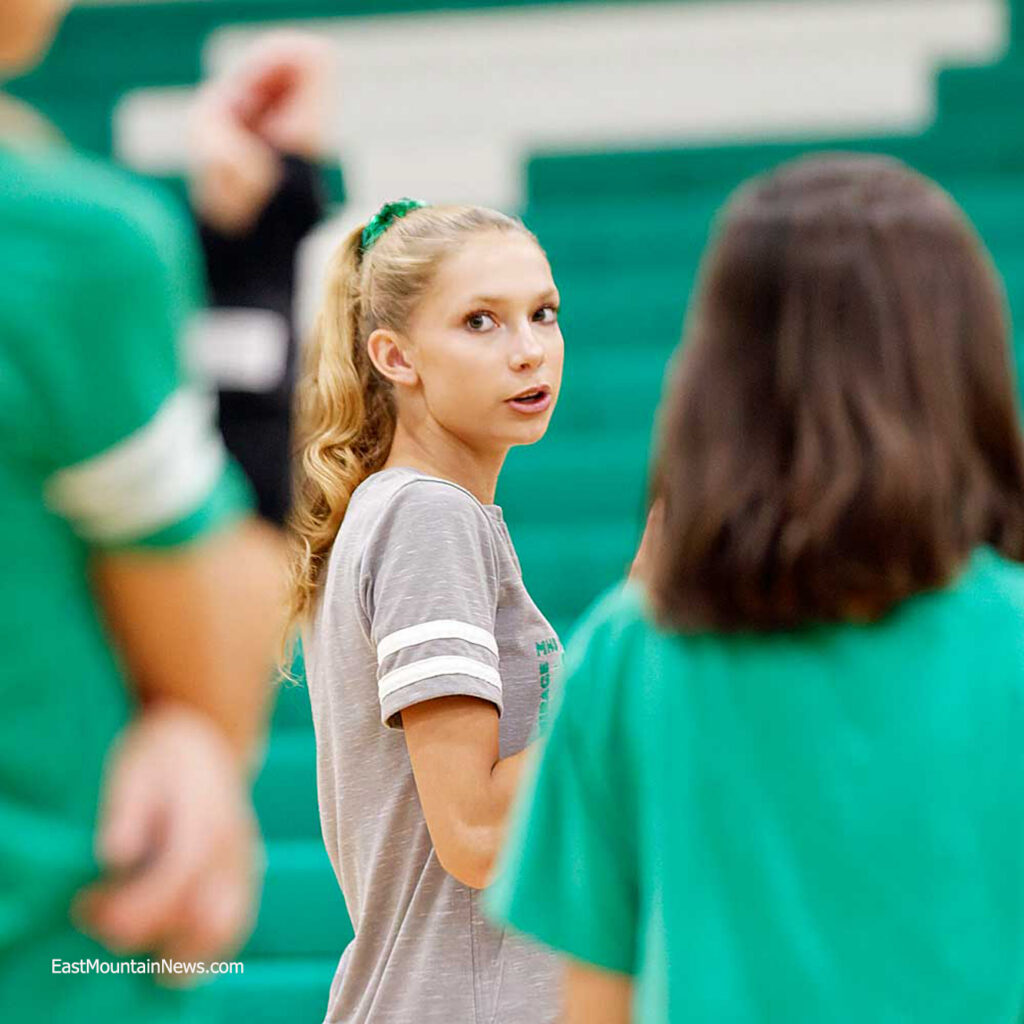
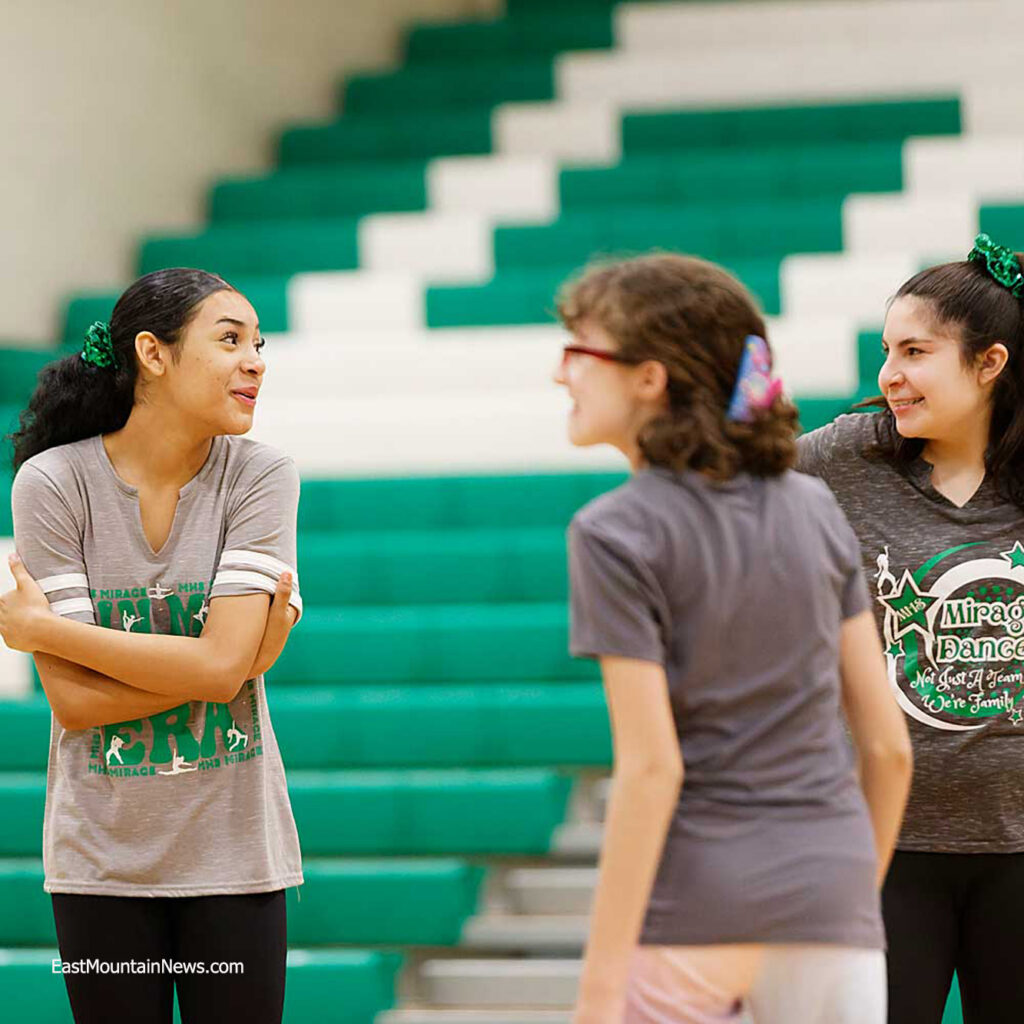
That positive atmosphere is exactly what drew freshman Hanna Shaurei Baca back to the floor after participating as an eighth-grader last summer. Baca noted that working alongside the high school squad helped her mature and ease the transition into high school.
“It brought me out of my shell,” Baca said. “I talked to my sister and my friends about how it’s not just, ‘Yay, I danced,’ but it’s also that I met new people. Dance is like a family in its own.”
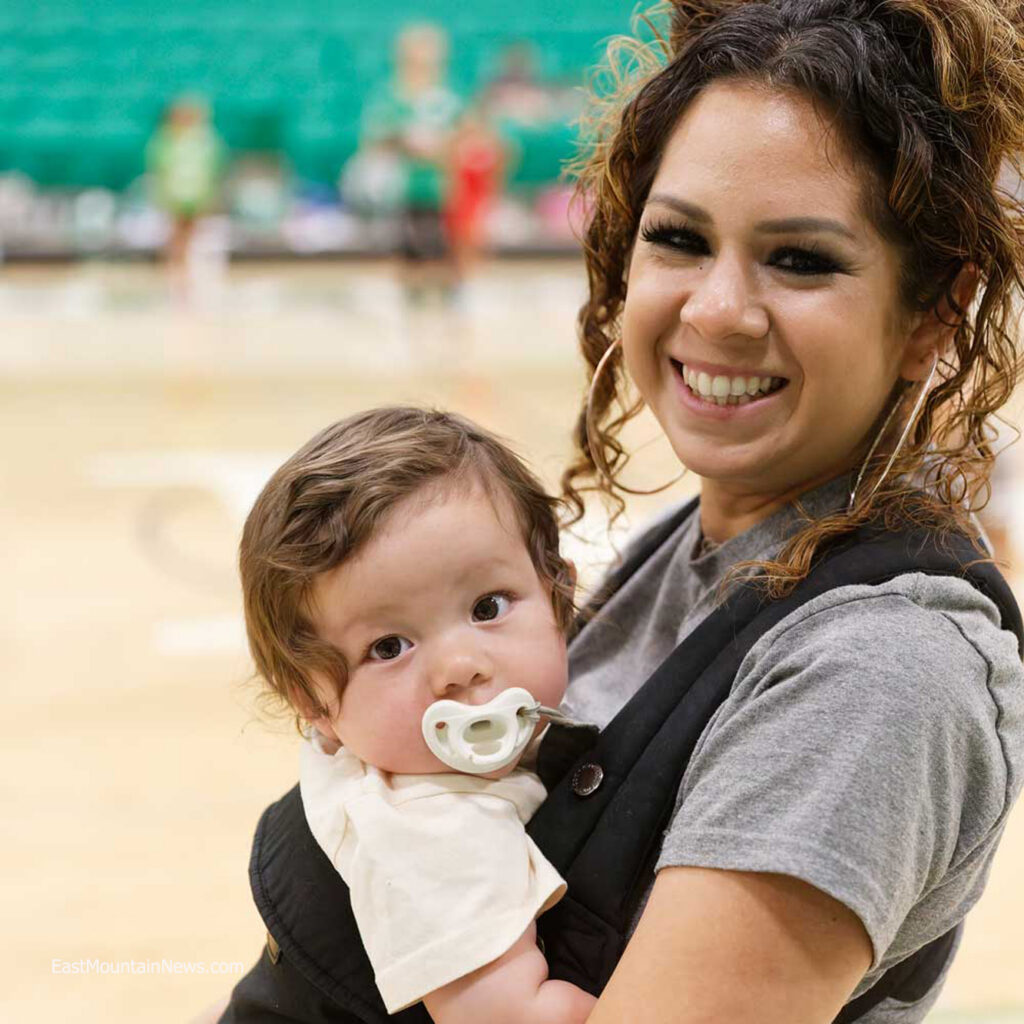
That concept of family is literal for the program, which frequently sees multi-generational returns. Alumnae consistently return to assist, text Chavez on Mother’s Day, and enroll their own children in the youth clinics.
“Twenty-five years later, I’m still here,” Chavez said. “We really do mean it when we say we’re family. Something more comes out of it.”

High Desert 5K to Benefit Edgewood Middle School

East Mountain Sweeps Ruidoso in District Doubleheader

Shoemate-Means Takes Gold at Shash Invitational for Moriarty Girls
About The Author
